
Best Non-Toxic Dog Beds (Safer Materials for Everyday Rest)
Dog beds aren’t just about comfort. Because of prolonged contact, the materials used in a dog bed can matter just as much as durability or design. Non-toxic dog beds aim to reduce unnecessary exposure to harsh chemicals while still providing proper support for daily rest.
This guide explains what makes a dog bed non-toxic, which materials are commonly considered safer, and how to choose a bed that balances comfort, safety, and practicality.
This content is for informational purposes only and does not replace veterinary advice.
Why Non-Toxic Dog Beds Matter
Dogs:
Sleep for long periods
Breathe close to surfaces
Lick and chew bedding
Have smaller bodies relative to exposure
Some conventional dog beds may contain:
Chemical flame retardants
Synthetic foams with strong odors
Artificial dyes or treatments
Non-toxic beds are designed to limit unnecessary chemical exposure, especially for puppies, seniors, and dogs with sensitivities.
What “Non-Toxic” Means in Dog Beds
A non-toxic dog bed typically:
Avoids chemical flame retardants
Uses safer foams or natural fillings
Limits artificial dyes or coatings
Uses transparent material sourcing
Non-toxic does not mean “all natural” or “organic only.” It means intentional material choices with safety in mind.
Who Should Consider a Non-Toxic Dog Bed
These beds are especially suitable for:
Puppies and senior dogs
Dogs with allergies or skin sensitivities
Dogs that chew or lick bedding
Eco-conscious households
Indoor dogs that spend significant time resting
They’re also a good default choice for long-term use.
How We Evaluated Non-Toxic Dog Beds
We focused on beds that:
Clearly disclose materials
Avoid unnecessary chemical treatments
Provide adequate support
Are washable or easy to maintain
Are available from reputable brands
Transparency and structure matter more than marketing labels.
Safer Materials Commonly Used in Non-Toxic Dog Beds
Organic or Natural Cotton Covers
Best for: Breathability and skin contact
Free from harsh dyes
Softer on sensitive skin
Washable and breathable
Best paired with removable covers.
CertiPUR-US® or Low-Emission Foams
Best for: Support without harsh chemicals
These foams:
Avoid certain flame retardants
Have lower VOC emissions
Are commonly used in safer bedding products
Not all foam is bad—certification matters.
Natural Latex (Limited Use)
Best for: Durable support and resilience
Naturally elastic
Resistant to sagging
More expensive and heavier
Best for dogs that need firm support.
Recycled Polyester (With Disclosure)
Best for: Eco-friendly structure
When responsibly sourced, recycled fills can:
Reduce waste
Maintain structure
Be safer than unknown synthetics
Avoid beds with vague “poly fill” descriptions.
Types of Non-Toxic Dog Beds
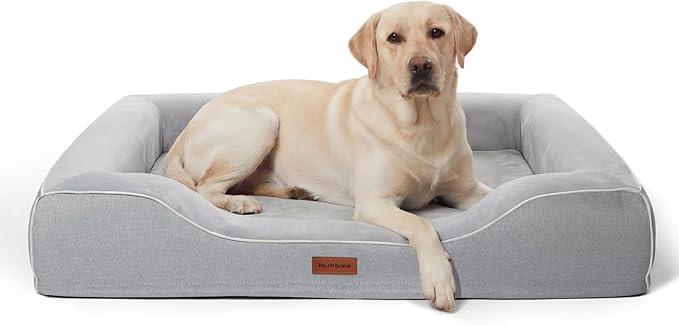
1. Non-Toxic Orthopedic Dog Beds
Best for: Senior dogs and joint support
Features:
Supportive foam layers
Low-emission materials
Removable, washable covers
Comfort and safety should work together.
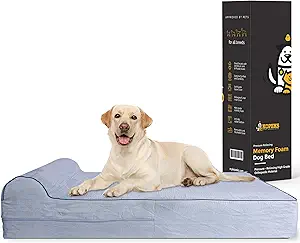
2. Non-Toxic Cushion & Pillow Beds
Best for: General everyday use
Lightweight
Easy to move
Suitable for crates or open areas
Ideal for dogs that change sleeping positions often.
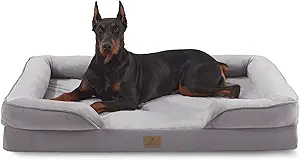
3. Non-Toxic Bolster Dog Beds
Best for: Dogs that curl or lean
Bolsters provide:
Neck support
A sense of security
Defined sleeping areas
Ensure bolsters use the same safe materials as the base.
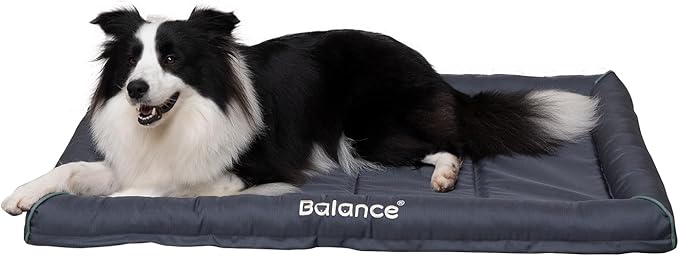
4. Non-Toxic Crate Mats
Best for: Crate-trained dogs
Look for:
Thin but supportive padding
Washable covers
Non-slip backing
Crate mats often see heavy daily use—durability matters.
What to Avoid in Dog Beds
Be cautious with beds that:
Have strong chemical odors
Do not list materials clearly
Use heavy synthetic coatings
Claim “luxury” without transparency
Are not washable
If a bed smells strongly out of the box, that’s a red flag.
How to Choose the Right Non-Toxic Dog Bed
Consider:
Dog size & weight
Sleeping style (curling, stretching)
Chewing habits
Health needs (joints, allergies)
Ease of cleaning
Always size up if unsure—cramped beds wear faster and reduce comfort.
Maintenance & Longevity Tips
Wash covers regularly
Air out foam cores periodically
Replace beds showing flattening or tearing
Rotate beds if your dog uses multiple spots
A clean bed is part of a healthy sleep environment.
Frequently Asked Questions
Are non-toxic dog beds safer?
They reduce exposure to unnecessary chemicals but still require regular cleaning and inspection.
Are orthopedic beds safe?
Yes, when made with certified or low-emission foams.
Do puppies need non-toxic beds?
Puppies benefit from safer materials due to chewing and longer sleep times.
How often should dog beds be replaced?
When support degrades or materials break down.
Final Thoughts
Non-toxic dog beds are a smart investment for long-term comfort and safety. The best options:
Use clearly disclosed, safer materials
Provide appropriate support
Are easy to clean and maintain