
Best Pet-Safe Pest Control
Pet-safe pest control focuses on managing household pests without exposing pets to toxic chemicals commonly found in traditional insecticides and repellents. Many conventional pest control products contain substances that can linger on floors, surfaces, or in the air—areas pets frequently contact.
Pet-safe pest control solutions prioritize safer ingredients, physical barriers, and preventative strategies that reduce pest problems while protecting pets’ health. When chosen carefully, they help maintain a pest-free home without unnecessary risk.
This guide explains what pet-safe pest control is, why it matters, which methods are safer, and how to choose effective options for homes with pets.
What Is Pet-Safe Pest Control?
Pet-safe pest control refers to pest management methods designed to minimize toxicity risks for animals.
They typically avoid:
chemical foggers and sprays
residual pesticides with long-lasting toxicity
synthetic fragrances and aerosols
compounds harmful if ingested or inhaled
Instead, they rely on safer formulations and non-chemical prevention methods.
Why Pet-Safe Pest Control Matters
Pets explore their environment with their noses, mouths, and paws. Pet-safe pest control helps by:
reducing accidental ingestion of toxins
minimizing respiratory irritation
preventing skin and paw exposure
supporting safer indoor air quality
protecting pets during pest treatment
This is especially important for indoor pets.
Who Pet-Safe Pest Control Is Best For
Pet-safe pest control is especially suitable for:
households with dogs or cats
homes with puppies or kittens
pets with respiratory sensitivities
indoor pets with constant surface contact
owners avoiding chemical pesticides
They may be less effective for severe infestations without professional intervention.
How We Evaluated Pet-Safe Pest Control Options
We focused on pest control methods that:
clearly explain ingredients or mechanisms
avoid high-toxicity chemicals
reduce pest access and breeding
integrate with daily household routines
maintain safety for pets
Prevention and safety were prioritized.
This content is for informational purposes only and does not replace veterinary advice.
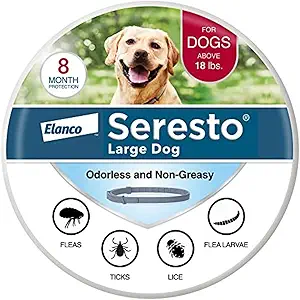
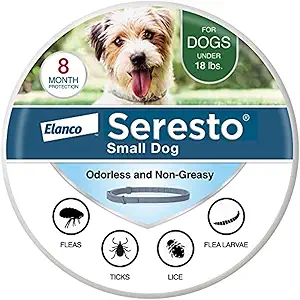
Safer Pest Control Methods to Consider
1. Physical Barriers
sealing entry points
traps designed for pet safety
2. Low-Toxicity Baits and Traps
enclosed designs
minimal exposure risk
3. Natural Deterrents
non-toxic repellents
localized application
4. Environmental Control
cleanliness and waste management
moisture reduction
Layered approaches offer better control.
Common Mistakes to Avoid
using chemical foggers in pet areas
placing traps within pet reach
assuming “natural” is always safe
skipping preventative measures
failing to monitor pest activity
Safety and placement are critical.
Frequently Asked Questions
Is pet-safe pest control effective?
Yes, especially for prevention and mild to moderate pest issues.
Can pet-safe methods eliminate infestations?
They may reduce populations, but severe cases may need professional help.
Are essential oils safe for pest control?
Many are not safe for pets and should be avoided.
Can these methods be used regularly?
Most are designed for ongoing prevention.
Final Thoughts
Pet-safe pest control helps protect pets while addressing household pest concerns. By focusing on safer methods and prevention, pet owners can reduce pest problems without exposing animals to unnecessary chemical risks.
For pet-friendly homes, pet-safe pest control is an essential part of environmental safety.