
Environmental Toxins Harmful to Dogs
Environmental toxins harmful to dogs are substances commonly found in homes, yards, and urban environments that can negatively affect canine health over time. Dogs are especially vulnerable because they explore the world through their noses, mouths, and paws, increasing exposure to contaminants humans may overlook.
Environmental toxins harmful to dogs often accumulate gradually, contributing to skin issues, respiratory irritation, digestive problems, or long-term health complications. Understanding where these toxins come from and how to reduce exposure is essential for preventative pet care.
This guide explains what environmental toxins harmful to dogs are, where they are commonly found, how exposure occurs, and what steps can be taken to minimize risks.
What Are Environmental Toxins Harmful to Dogs?
Environmental toxins harmful to dogs are chemical or physical substances in a dog’s surroundings that pose health risks when inhaled, ingested, or absorbed through the skin.
They often include:
household chemicals and cleaners
pesticides and herbicides
air pollutants and residues
toxic materials in pet products
contaminated outdoor surfaces
Even low-level exposure can become problematic over time.
Why Environmental Toxins Are Dangerous for Dogs
Dogs are smaller than humans and often exposed more frequently. Environmental toxins harmful to dogs can:
irritate skin and respiratory systems
disrupt hormonal balance
cause digestive upset
weaken immune response
contribute to chronic health conditions
Repeated exposure increases cumulative risk.
This content is for informational purposes only and does not replace veterinary advice.

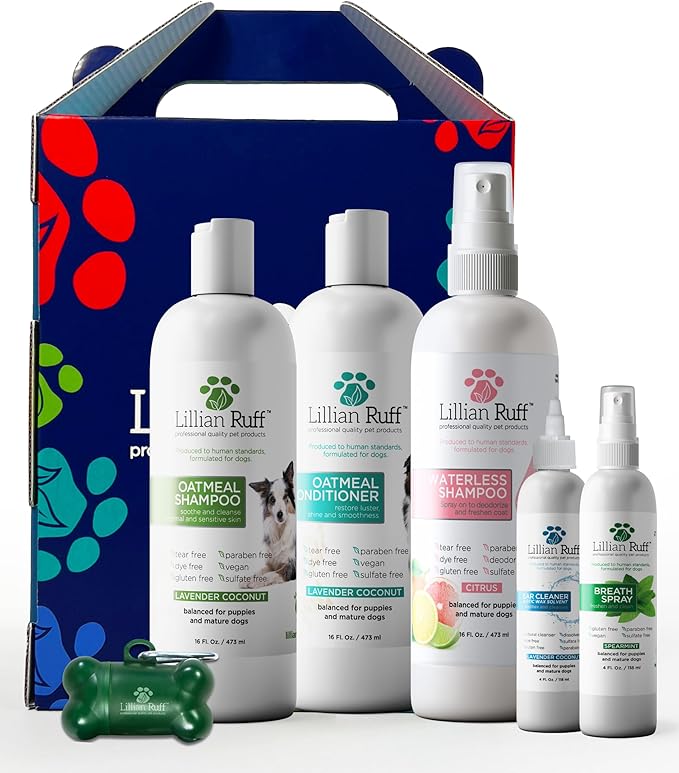
Common Sources of Environmental Toxins
1. Household Cleaning Products
floor cleaners and disinfectants
lingering chemical residues
2. Lawn and Garden Chemicals
weed killers and fertilizers
pest control treatments
3. Air Pollution
vehicle emissions
indoor air contaminants
4. Pet and Household Products
plastics with toxic additives
treated fabrics and foams
Awareness of daily exposure sources is key.
How Dogs Are Exposed
Dogs may encounter toxins through:
licking paws after walking on treated surfaces
chewing treated toys or accessories
inhaling polluted indoor air
skin contact with contaminated bedding
ingestion of residues during grooming
Reducing exposure pathways helps protect health.
How We Evaluated Environmental Toxin Risks
We focused on:
common household and outdoor exposure points
frequency of pet contact
severity of potential health effects
preventability through product choice
cumulative exposure over time
Prevention was prioritized over treatment.
Steps to Reduce Environmental Toxin Exposure
1. Use Pet-Safe Household Products
low-toxicity cleaners
fragrance-free options
2. Avoid Chemical Lawn Treatments
natural lawn care alternatives
restricted access after treatment
3. Improve Indoor Air Quality
ventilation and filtration
avoiding smoke and aerosols
4. Choose Safer Pet Products
transparent materials
toxin-free manufacturing
Small changes significantly reduce risk.
Common Mistakes to Avoid
assuming outdoor spaces are toxin-free
overusing cleaning products
ignoring product labels
mixing multiple chemical products
delaying action after exposure
Proactive prevention is more effective than reaction.
Frequently Asked Questions
Are environmental toxins immediately dangerous?
Some are acute, but many cause harm through long-term exposure.
Can dogs recover from toxin exposure?
Recovery depends on the substance, dose, and response time.
Are indoor dogs safer from toxins?
Not always—indoor air and surfaces can contain pollutants.
How can exposure be monitored?
Watch for behavioral changes, irritation, or digestive issues.
Final Thoughts
Environmental toxins harmful to dogs are often hidden in everyday environments, making awareness and prevention critical. By identifying common exposure sources and making informed choices, pet owners can significantly reduce long-term health risks.
Protecting dogs from environmental toxins is a foundational part of responsible, health-focused pet ownership.