
Best Biodegradable Dog Waste Bags (What Actually Breaks Down & What Doesn’t)
Dog waste bags are used daily—and often tossed without much thought. For pet owners trying to reduce plastic waste, biodegradable dog waste bags are one of the easiest switches. But not all bags labeled “biodegradable” behave the same way.
This guide explains what biodegradable dog poop bags really mean, how they differ from compostable options, and how to choose bags that balance durability, convenience, and realistic environmental impact.
This content is for informational purposes only and does not replace veterinary advice.
Why Biodegradable Dog Waste Bags Matter
Traditional plastic poop bags can persist in the environment for decades. Switching to biodegradable options helps:
Reduce long-term plastic accumulation
Lower reliance on conventional plastics
Encourage better waste habits
Support incremental, realistic eco choices
Because poop bags are used frequently, even small improvements scale quickly.
What “Biodegradable” Really Means (Important)
Biodegradable generally means a material can break down over time through biological processes. However:
Breakdown speed varies widely
Conditions (heat, moisture, microbes) matter
Many bags degrade only in industrial conditions
Some require sunlight or oxygen
Biodegradable ≠ compostable ≠ dissolves quickly.
Understanding this prevents disappointment and greenwashing.
Biodegradable vs Compostable Dog Waste Bags
Biodegradable Bags
Designed to break down eventually
May contain plant-based additives
Often degrade faster than traditional plastic
Commonly accepted in regular trash
Compostable Bags
Designed to break down under composting conditions
Often meet stricter standards
Not always suitable for home composting (especially with pet waste)
If you’re unsure, biodegradable bags are usually the simpler, safer default.
Who Biodegradable Dog Waste Bags Are Best For
These bags are ideal for:
Urban dog owners
Apartment dwellers
Daily walkers
Households without compost access
Anyone wanting a simple eco upgrade
They fit easily into existing routines.
How We Evaluated Biodegradable Dog Waste Bags
We focused on bags that:
Clearly disclose materials
Are thick enough to prevent leaks
Open easily and tear cleanly
Fit standard dispensers
Are widely available and well-reviewed
A bag that fails mid-use defeats the purpose.
Common Materials Used in Biodegradable Bags
Plant-Based Plastics
Often derived from:
Corn starch
Other renewable plant sources
These reduce reliance on fossil fuels but still behave like plastics during use.
Oxo-Biodegradable Additives (Use With Caution)
Some bags include additives that help plastic fragment.
May break into microplastics
Not universally considered eco-friendly
Regulations vary by region
Always check how “biodegradable” is defined.
Key Features to Look For
Thickness & Durability
Prevents tearing
Improves hygiene
Essential for larger dogs
Leak Resistance
Reinforced seams
Strong bottom seals
Ease of Use
Easy-open design
Smooth tear from the roll
Fits standard dispensers
Packaging
Minimal or recyclable packaging
Cardboard cores instead of plastic
Types of Biodegradable Dog Waste Bags
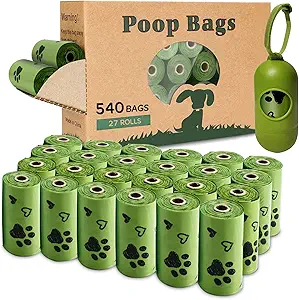
1. Standard Roll Bags
Best for: Daily walks
Fit most dispensers
Easy to carry
Affordable and widely available
2. Extra-Thick Bags
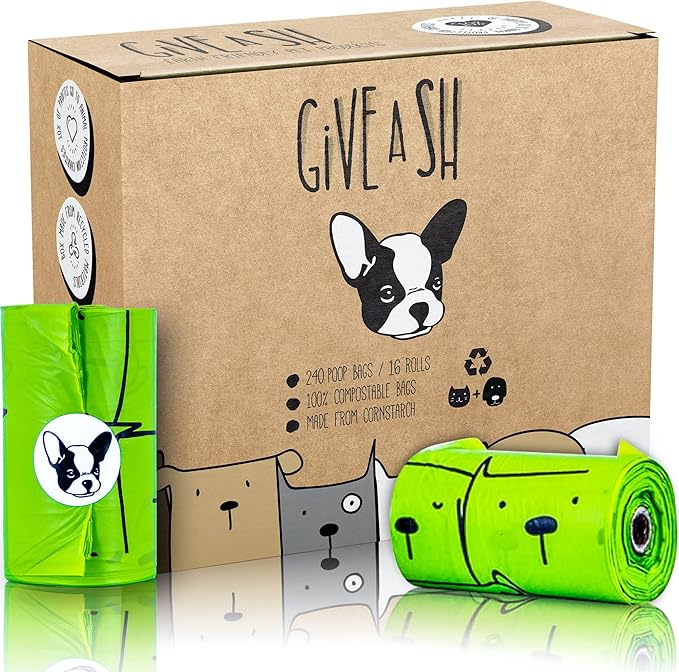
Best for: Large dogs or multiple pickups
Added strength
Reduced risk of leaks
Slightly bulkie
3. Scented vs Unscented
Unscented: Preferred by sensitive users
Lightly scented: Helps with odor control
Avoid heavily fragranced options.
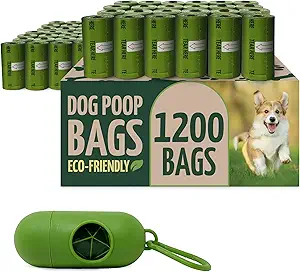
4. Bulk Packs
Best for: Multi-dog households
Lower cost per bag
Reduced packaging waste
Convenient long-term supply
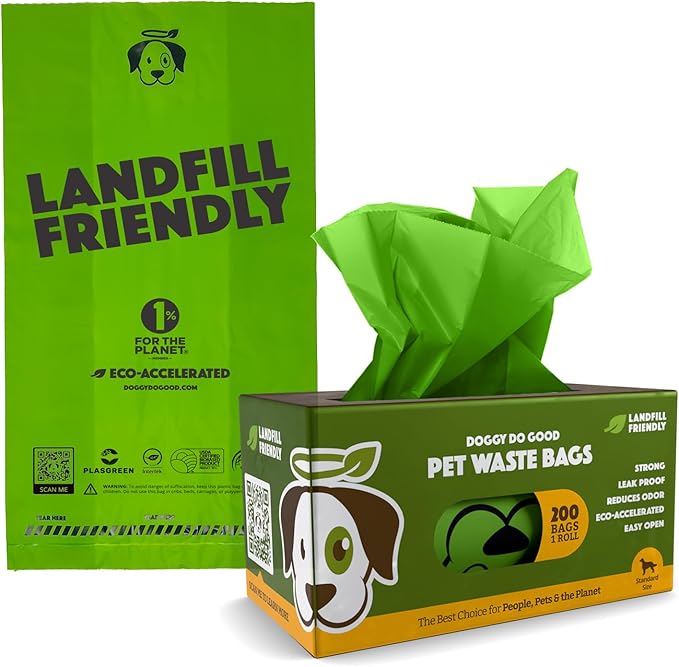
What to Avoid When Buying Biodegradable Bags
Be cautious of bags that:
Don’t explain how they biodegrade
Tear easily
Have overly thin material
Use vague “eco” claims
Come in excessive plastic packaging
Transparency matters.
Proper Disposal (Realistic Guidance)
Most biodegradable dog waste bags:
Still go in the trash (with waste inside)
Should NOT be flushed
Are NOT suitable for home composting unless specified
Follow local regulations—eco intent doesn’t override sanitation rules.
Frequently Asked Questions
Do biodegradable dog poop bags actually break down?
They can, but speed and conditions vary widely.
Are they better than regular plastic bags?
Yes—especially when used consistently and properly.
Can I compost biodegradable bags?
Usually not at home, especially with pet waste.
Are compostable bags better?
Sometimes—but only if composted correctly.
Final Thoughts
Biodegradable dog waste bags are a practical, low-effort step toward reducing plastic waste from daily pet care. The best options:
Balance durability with eco intent
Are easy to use consistently
Avoid misleading claims