
Best Chemical-Free Pet Products
Chemical-free pet products are designed to minimize a pet’s exposure to synthetic chemicals commonly found in everyday items. From toys and grooming supplies to household accessories, many conventional pet products contain residues or treatments that can accumulate over time.
Chemical-free pet products focus on simpler materials, transparent sourcing, and reduced chemical processing. When selected carefully, they support safer daily routines and long-term pet wellbeing.
This guide explains what chemical-free pet products are, why they matter, which items to prioritize, and how to choose safer alternatives for everyday use.
What Are Chemical-Free Pet Products?
Chemical-free pet products are items made without harsh synthetic chemicals, artificial treatments, or toxic additives.
They typically avoid:
synthetic fragrances
chemical coatings and finishes
artificial dyes
harsh preservatives
Instead, they rely on simpler materials and minimal processing.
Why Chemical-Free Pet Products Matter
Pets interact closely with their environment through their skin, mouths, and paws. Chemical-free pet products help by:
reducing exposure to irritants
lowering ingestion of harmful residues
supporting skin and coat health
minimizing allergy triggers
creating a safer living environment
Reducing chemical load supports overall pet health.
Who Chemical-Free Pet Products Are Best For
Chemical-free pet products are especially suitable for:
pets with allergies or sensitivities
puppies with developing immune systems
indoor pets with constant exposure
households avoiding synthetic chemicals
owners prioritizing long-term safety
They may be less critical for items with limited contact.
How We Evaluated Chemical-Free Pet Products
We focused on products that:
clearly disclose materials
avoid synthetic additives
demonstrate safe manufacturing practices
are suitable for daily use
maintain durability and function
Transparency mattered more than branding.
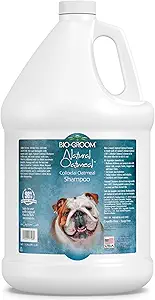
Key Materials Common in Chemical-Free Products
1. Natural Fibers
cotton, hemp, wool
untreated and breathable
2. Natural Rubber and Wood
minimal processing
durable and stable
3. Food-Grade Metals
non-reactive
easy to clean
Avoid items with vague material descriptions.
Types of Chemical-Free Pet Products
1. Chemical-Free Toys
Best for: Daily play
safer chewing
reduced residue exposure
2. Chemical-Free Bedding
Best for: Rest and sleep
breathable materials
minimal treatments
3. Chemical-Free Accessories
Best for: Daily use
collars, leashes, bowls
stable materials
Common Mistakes to Avoid
assuming “natural” equals chemical-free
ignoring material sourcing
focusing only on product appearance
keeping worn or degraded items
mixing chemical-free items with harsh cleaners
Holistic choices improve effectiveness.
Frequently Asked Questions
Are chemical-free pet products completely risk-free?
No product is risk-free, but reduced chemicals lower exposure concerns.
Do chemical-free products cost more?
They may due to higher material and sourcing standards.
Are they durable?
Yes, when made from quality natural materials.
Can chemical-free products be cleaned easily?
Most are designed for simple, residue-free cleaning.
Final Thoughts
Chemical-free pet products support safer daily routines by reducing unnecessary exposure to synthetic chemicals. By focusing on transparent materials and simpler construction, they help create healthier environments for pets.
For pet owners seeking a low-chemical lifestyle, chemical-free pet products are a practical and responsible choice.