
Best Natural Supplements for Dogs (Safe, Gentle & Well-Tolerated Options)
Many dog owners want to support their dog’s health using natural supplements, especially when concerns involve digestion, joints, stress, or overall wellbeing. Natural supplements are commonly chosen because they are perceived as gentler and easier to integrate into daily routines than pharmaceutical options.
This guide explains natural supplements commonly used for dogs, what they are typically used for, and how to choose products that prioritize safety, ingredient quality, and transparency.
This content is for informational purposes only and does not replace veterinary advice.
Why Dog Owners Choose Natural Supplements
Natural supplements are often used to support, not replace, a dog’s basic nutrition and veterinary care.
Common reasons dog owners explore supplements include:
Supporting joint mobility as dogs age
Maintaining digestive balance
Supporting skin and coat condition
Helping dogs cope with stress or routine changes
General wellness support
The goal is long-term support, not quick fixes.
What “Natural” Means in Dog Supplements
In the context of dog supplements, “natural” typically refers to:
Ingredients derived from whole foods, plants, or naturally occurring compounds
Minimal artificial colors, flavors, or preservatives
Clear ingredient labeling and sourcing
Natural does not automatically mean better or safer. Quality, formulation, and dosing matter more than marketing terms.
Who Natural Dog Supplements Are Best For
Natural supplements are commonly used by dog owners who:
Want preventative wellness support
Have dogs with mild, non-acute issues
Prefer gentle, long-term options
Feed commercial or home-prepared diets
Want to complement, not replace, veterinary care
They are not substitutes for professional diagnosis or treatment.
How We Evaluated Natural Dog Supplements
To keep this guide practical and trustworthy, we focused on supplements that:
Use commonly recognized ingredients
Are designed specifically for dogs
Provide clear dosing instructions
Are widely available from reputable brands
Avoid unnecessary fillers or artificial additives
Transparency and simplicity were prioritized over novelty.
Common Types of Natural Supplements for Dogs
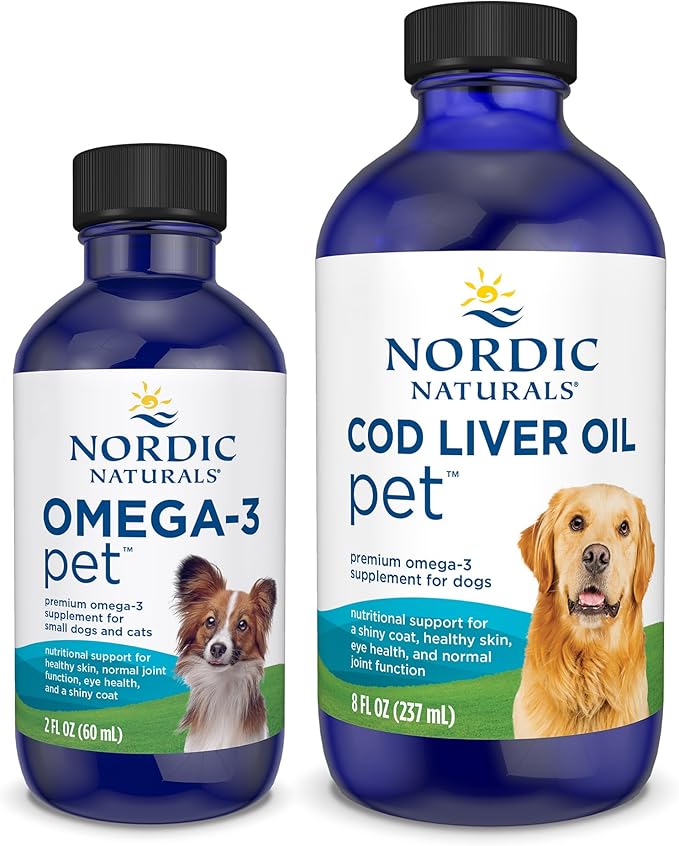
1. Omega-3 Fatty Acids (Fish Oil & Algae Oil)
Best for: Skin, coat, and overall wellness support
Omega-3 supplements are among the most commonly used natural supplements for dogs.
Why dog owners choose them:
Support healthy skin and coat
Often used for general wellness
Available in liquid or capsule form
Look for products with clear EPA/DHA content and proper storage recommendations.
2. Probiotics & Digestive Supplements
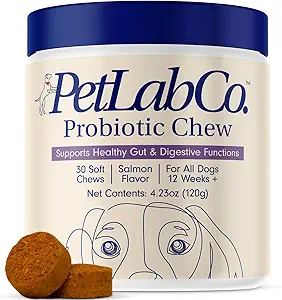
Best for: Digestive balance and gut health
Probiotics are used to support a balanced gut environment, especially during dietary changes or periods of stress.
Common features:
Multiple beneficial bacterial strains
Powder or chewable formats
Dog-specific formulations
Consistency matters more than high strain counts.
3. Joint Support Supplements (Natural Ingredients)
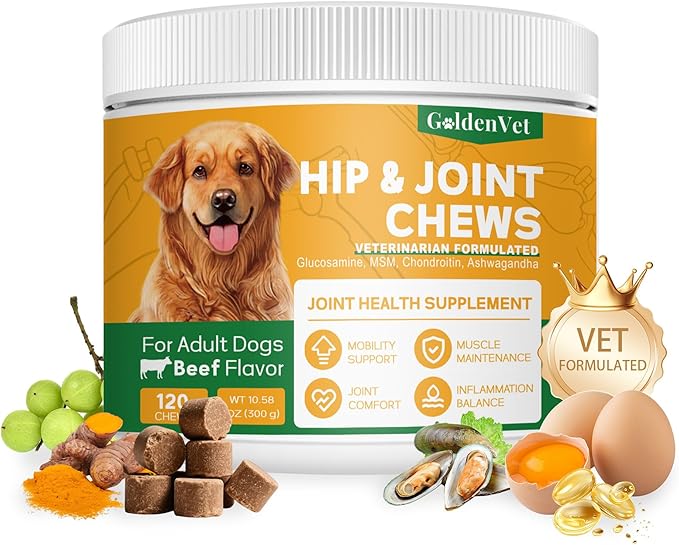
Best for: Mobility support in adult and senior dogs
Natural joint supplements often include ingredients such as:
Glucosamine
Chondroitin
MSM
Green-lipped mussel
These supplements are typically used as part of long-term mobility support.
4. Calming & Stress-Support Supplements
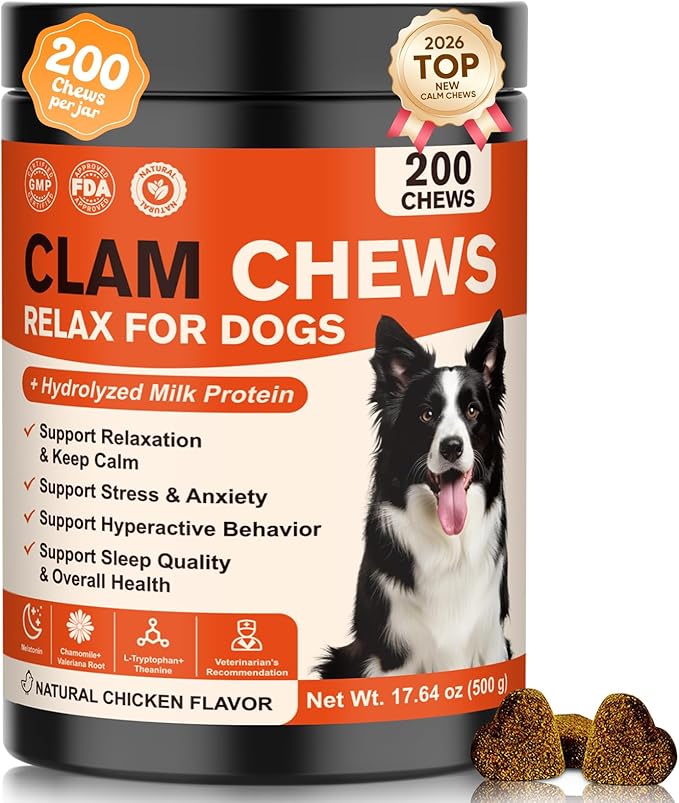
Best for: Mild stress or situational anxiety
Some natural supplements are formulated to support calm behavior without sedation.
Common ingredients include:
L-Theanine
Chamomile
Valerian (low-dose, dog-specific)
Colostrum-based calming blends
These are often used during travel, thunderstorms, or routine changes.
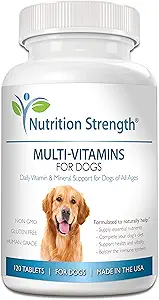
5. Multivitamin & Whole-Food Supplements
Best for: General nutritional support
Whole-food based supplements may include:
Dehydrated vegetables
Kelp or algae
Brewer’s yeast
Trace minerals
They are often used when dogs eat limited or selective diets.
Powder vs Chews vs Liquid Supplements
Powder Supplements
Easy to mix with food
Flexible dosing
Often preferred for probiotics
Soft Chews
Convenient and palatable
Good for picky eaters
Fixed dosing
Liquid Supplements
Easy absorption
Precise dosing
Require careful storage
Choose the format your dog will consistently accept.
Ingredients to Be Cautious With
Even natural supplements should be chosen carefully.
Watch for:
Artificial sweeteners (especially xylitol)
Vague “proprietary blends”
Human-formulated supplements
Excessive dosing instructions
Always choose products made specifically for dogs.
How to Choose the Right Supplement for Your Dog
Start with your dog’s primary need:
Skin & coat: Omega-3 supplements
Digestive issues: Probiotics
Joint stiffness: Natural joint support blends
Mild stress: Calming supplements
Overall wellness: Whole-food multivitamins
Introduce one supplement at a time and observe changes over several weeks.
Safety & Usage Notes
Follow label dosing instructions
Introduce supplements gradually
Monitor for changes in behavior or digestion
Consult a veterinarian if your dog has medical conditions or is on medication
Responsible use matters, even with natural products.
Frequently Asked Questions
Are natural supplements safe for dogs?
Many are safe when used as directed and formulated specifically for dogs.
How long do supplements take to work?
Some effects are noticed within weeks; others require longer-term use.
Can I combine multiple supplements?
Sometimes, but it’s best to start one at a time and avoid overlapping ingredients.
Do puppies need supplements?
Most puppies do not require supplements unless recommended by a veterinarian.
Final Thoughts
Natural supplements can be a useful way to support a dog’s wellbeing when chosen carefully. The best products:
Use clear, dog-specific ingredients
Are easy to administer consistently
Prioritize safety and transparency