
Best Non-Toxic Dog Bowls & Feeding Products (Safer Materials for Daily Use)
Dog bowls may look simple, but the materials they’re made from matter. Dogs eat and drink directly from these surfaces, and some materials can degrade, scratch, or retain residues over time. Non-toxic dog bowls are designed to reduce unnecessary chemical exposure while remaining durable and easy to clean.
This guide explains which materials are commonly considered safer, what to avoid, and how to choose feeding products that support everyday health and hygiene.
This content is for informational purposes only and does not replace veterinary advice.
Why Non-Toxic Feeding Products Matter
Dog bowls:
Contact food and water daily
Are licked repeatedly
Can develop scratches where bacteria accumulate
Are exposed to heat, sunlight, and cleaning agents
Some low-quality bowls may contain:
BPA or other plasticizers
Lead-based glazes (in poor-quality ceramics)
Coatings that chip or degrade
Non-toxic feeding products focus on material integrity and transparency.
What “Non-Toxic” Means for Dog Bowls
A non-toxic dog bowl typically:
Uses food-grade materials
Avoids BPA, phthalates, and heavy metals
Has smooth, non-porous surfaces
Maintains integrity over time
“Non-toxic” doesn’t mean indestructible—it means safer by design.
Who Should Prioritize Non-Toxic Dog Bowls
These products are especially important for:
Puppies and senior dogs
Dogs that chew or scratch bowls
Dogs with allergies or sensitivities
Multi-dog households
Eco- and safety-conscious owners
They’re also a smart long-term choice for any dog.
How We Evaluated Non-Toxic Feeding Products
We focused on products that:
Clearly disclose materials
Are designed for repeated food contact
Are easy to clean thoroughly
Resist scratching and degradation
Are widely available from reputable brands
Durability and hygiene matter as much as material type.
Safer Materials Commonly Used in Non-Toxic Dog Bowls
Stainless Steel
Best for: Durability and hygiene
Non-porous and rust-resistant
Easy to sanitize
Long-lasting and scratch-resistant
Look for food-grade stainless steel with a solid base.
Ceramic (High-Quality, Lead-Free)
Best for: Stability and aesthetics
Heavy and tip-resistant
Smooth glazed surfaces
Easy to clean when glaze is intact
Avoid poorly made ceramics with unknown glazing.
Food-Grade Silicone
Best for: Travel and flexible setups
BPA-free and flexible
Lightweight and portable
Easy to store
Not ideal for aggressive chewers.
Glass (Limited Use)
Best for: Chemical neutrality
Non-reactive surface
Easy to clean
Heavy and breakable
Best for calm, supervised feeding environments.
Types of Non-Toxic Feeding Products
1. Standard Food & Water Bowls
Best for: Everyday use
Stainless steel or ceramic
Appropriate depth for breed size
Non-slip bases recommended
Simple designs last longest.
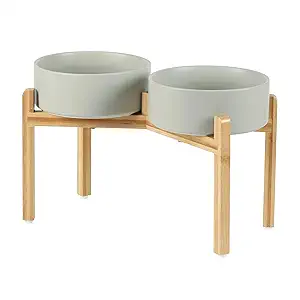
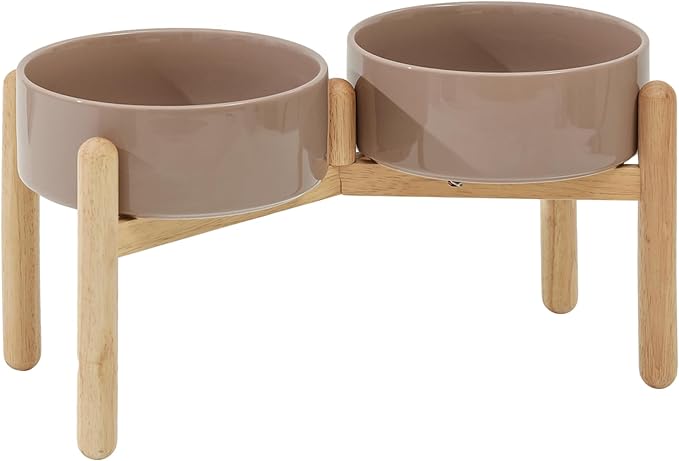
2. Elevated Dog Bowls
Best for: Large dogs or joint comfort
Can improve posture during feeding
Often paired with stainless steel inserts
Ensure stable construction
Choose height appropriate to the dog’s size.
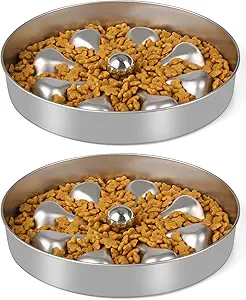
3. Slow Feeder Bowls (Non-Toxic Options)
Best for: Fast eaters
Encourage slower eating
Often made from food-grade silicone or certified plastics
Smooth, easy-to-clean channels
Avoid low-quality plastic slow feeders.
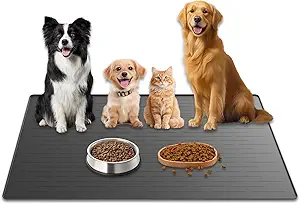
4. Feeding Mats & Placemats
Best for: Clean feeding areas
Catch spills and crumbs
Protect floors
Often made from food-grade silicone
They’re a simple upgrade that improves hygiene.
What to Avoid in Dog Bowls
Be cautious with products that:
Have vague material descriptions
Use low-grade plastics
Show chipping, cracking, or peeling
Retain strong odors
Are difficult to clean thoroughly
If a bowl scratches easily, it’s time to replace it.
How to Choose the Right Feeding Products
Consider:
Dog size & eating style
Chewing behavior
Ease of cleaning
Household setup
Portability needs
Always size bowls appropriately to reduce spills and strain.
Cleaning & Maintenance Tips
Wash bowls daily
Use mild, pet-safe cleaners
Inspect for wear regularly
Replace damaged bowls promptly
Clean feeding surfaces support overall health.
Frequently Asked Questions
Are stainless steel bowls the safest?
They’re widely considered one of the safest and most durable options.
Are ceramic bowls safe?
Yes, when they are lead-free and well-glazed.
Should plastic bowls be avoided?
Low-quality plastics can degrade; safer alternatives are recommended.
How often should bowls be replaced?
When scratches, chips, or odors appear.
Final Thoughts
Non-toxic dog bowls and feeding products are a simple but impactful upgrade. The best options:
Use food-grade, non-porous materials
Are easy to clean and maintain
Match your dog’s size and habits