
Non-Toxic Dog Bowls
Non-toxic dog bowls are designed to hold food and water without leaching harmful substances into what dogs consume every day. Because bowls are used multiple times daily and come into direct contact with food, material safety is critical.
Many conventional dog bowls are made from low-quality plastics or coated metals that can degrade, scratch, or release chemicals over time. Non-toxic dog bowls focus on stable materials that remain safe with repeated use and cleaning.
This guide explains what non-toxic dog bowls are, why they matter, which materials are safest, and how to choose the right option for your dog.
What Are Non-Toxic Dog Bowls?
Non-toxic dog bowls are bowls made from materials that do not release harmful chemicals into food or water under normal use.
They typically avoid:
BPA and phthalates
plastic coatings that chip or scratch
low-grade aluminum or unknown alloys
synthetic dyes that can wear off
Instead, they emphasize food-safe, inert materials.
Why Non-Toxic Dog Bowls Matter
Dogs consume food and water directly from their bowls every day. Non-toxic dog bowls help by:
reducing chemical ingestion
preventing contamination from worn surfaces
supporting better digestion
maintaining cleaner feeding areas
lowering long-term exposure risks
Scratched or degraded bowls can harbor bacteria and chemicals.
Who Non-Toxic Dog Bowls Are Best For
Non-toxic dog bowls are ideal for:
dogs with food sensitivities
puppies and growing dogs
dogs that chew or scratch bowls
households avoiding plastics
owners focused on long-term health
They may be less suitable for dogs that aggressively flip or throw bowls.
How We Evaluated Non-Toxic Dog Bowls
We focused on bowls that:
use clearly labeled food-safe materials
resist scratching and wear
clean easily without residue
remain stable during feeding
maintain integrity over time
Material transparency was a top priority.
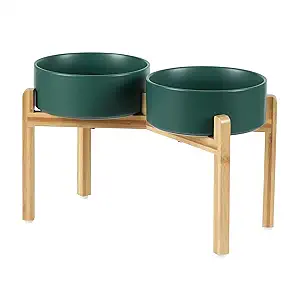
Safest Materials for Dog Bowls
1. Stainless Steel
non-porous surface
resistant to bacteria
long-lasting and durable
2. Ceramic (Lead-Free)
smooth, inert surface
easy to clean
stable for calm eaters
3. Glass
completely non-reactive
no chemical leaching
best for gentle use
Avoid plastic bowls, especially those without clear labeling.
Types of Non-Toxic Dog Bowls
1. Standard Feeding Bowls
Best for: Daily meals
simple design
easy cleaning
2. Elevated Bowls
Best for: Larger or senior dogs
improved posture
reduced strain
3. Slow-Feeder Bowls (Non-Toxic)
Best for: Fast eaters
controlled feeding
safer materials
Choose bowls based on eating habits and size.
Common Mistakes to Avoid
using scratched plastic bowls
ignoring material certifications
choosing decorative but unsafe glazes
washing with harsh chemicals
failing to replace damaged bowls
Regular inspection is essential.
Frequently Asked Questions
Are stainless steel bowls always safe?
Yes, when made from food-grade stainless steel.
Do ceramic bowls contain lead?
Only poorly manufactured ones—look for lead-free labeling.
How often should bowls be replaced?
Replace when scratched, chipped, or cracked.
Can bowls affect digestion?
Yes, contaminated or reactive materials can contribute to issues.
Final Thoughts
Non-toxic dog bowls are one of the simplest upgrades for improving daily pet safety. Because dogs eat and drink from their bowls multiple times a day, material quality matters more here than almost anywhere else.
Choosing a non-toxic dog bowl reduces daily chemical exposure and supports healthier feeding routines over time.