
Best Non-Toxic Dog Toys (Safe Materials & Smart Choices)
Dog toys are more than entertainment. Dogs chew, lick, carry, and sleep with their toys—often for hours every day. Because of this, many pet owners are now prioritizing non-toxic dog toys made from safer materials and designed to minimize unnecessary chemical exposure.
This guide explains what makes a dog toy non-toxic, which materials are commonly considered safer, and how to choose toys that balance durability, safety, and play value.
This content is for informational purposes only and does not replace veterinary advice.
Why Non-Toxic Dog Toys Matter
Dogs interact with toys differently than humans interact with products. Chewing, gnawing, and prolonged mouth contact increase the importance of material safety.
Dog owners often choose non-toxic toys to:
Reduce exposure to unnecessary chemicals
Avoid low-quality plastics or dyes
Support safer chewing habits
Protect puppies, seniors, and heavy chewers
Non-toxic does not mean indestructible—but it does mean more thoughtful material choices.
What “Non-Toxic” Means for Dog Toys
In dog toys, “non-toxic” generally refers to products that:
Avoid harmful chemicals such as BPA, phthalates, and heavy metals
Use safer materials like natural rubber, untreated wood, or organic fabrics
Limit artificial dyes or coatings
Are designed specifically for pets (not repurposed human products)
No toy is 100% risk-free, but some are clearly safer by design.
Who Should Prioritize Non-Toxic Dog Toys
Non-toxic toys are especially important for:
Puppies (developing systems)
Dogs that chew aggressively
Dogs with allergies or sensitivities
Households with children
Eco-conscious pet owners
They’re also a good long-term choice for dogs that regularly destroy or ingest toy fragments.
How We Evaluated Non-Toxic Dog Toys
We focused on toys that:
Clearly disclose materials
Are designed for dogs (not generic plastics)
Avoid unnecessary chemical treatments
Are widely available from reputable brands
Match different chewing styles and play needs
Material transparency and function matter more than novelty.
Common Safer Materials Used in Non-Toxic Dog Toys
Natural Rubber
Best for: Chewing and durability
Natural rubber is widely used in non-toxic dog toys.
Flexible and resilient
Typically free from BPA and phthalates
Suitable for moderate to heavy chewers
Look for solid rubber designs rather than hollow toys for durability.
Organic Cotton & Natural Rope
Best for: Gentle play and tugging
Organic cotton toys avoid chemical dyes and synthetic fibers.
Softer on teeth
Good for puppies and gentle chewers
Best for supervised play
They are not ideal for heavy chewers.
Untreated Wood (Dog-Safe Varieties)
Best for: Natural chewing instincts
Some dog toys use dog-safe wood varieties without chemical treatment.
Natural texture
No synthetic materials
Should always be size-appropriate
Avoid splinter-prone or chemically treated wood.
Food-Grade Silicone (Limited Use)
Best for: Soft chewing and enrichment
High-quality food-grade silicone is sometimes used in dog toys.
Flexible and easy to clean
Suitable for light chewers
Not ideal for aggressive chewing
Always confirm it’s pet-safe and food-grade.
Types of Non-Toxic Dog Toys
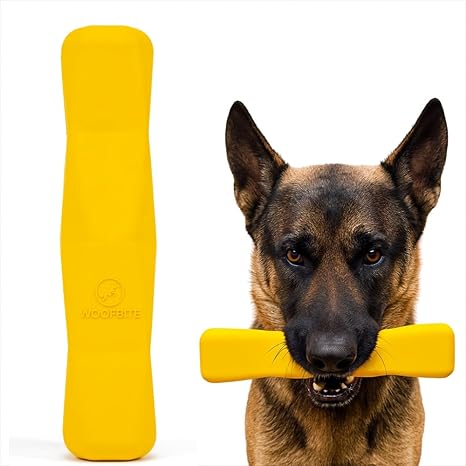
1. Non-Toxic Chew Toys
Best for: Dogs that love to chew
Look for:
Solid construction
Natural rubber or dog-safe nylon alternatives
Size appropriate to the dog’s jaw
Avoid toys with strong artificial scents or coatings.
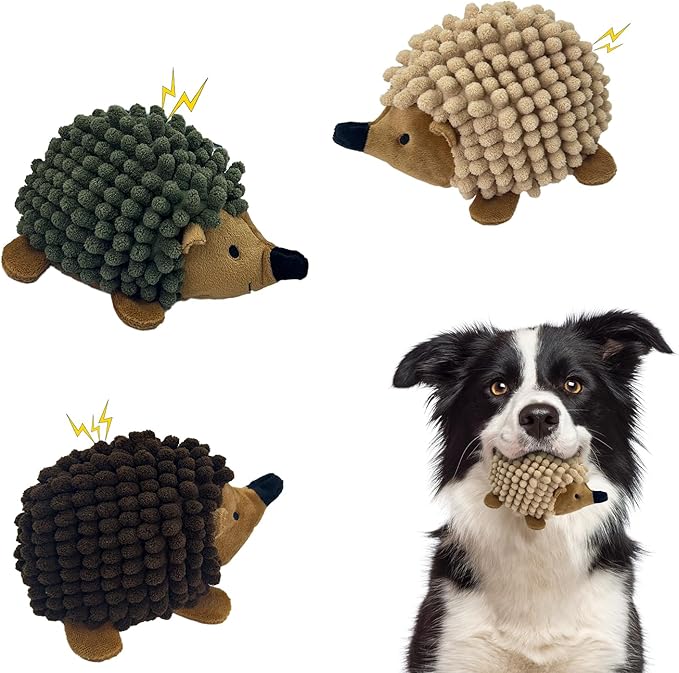
2. Non-Toxic Plush Toys
Best for: Comfort and gentle play
Choose plush toys made with:
Organic fabrics
Minimal dyes
Reinforced stitching
Always supervise dogs that tear plush toys.
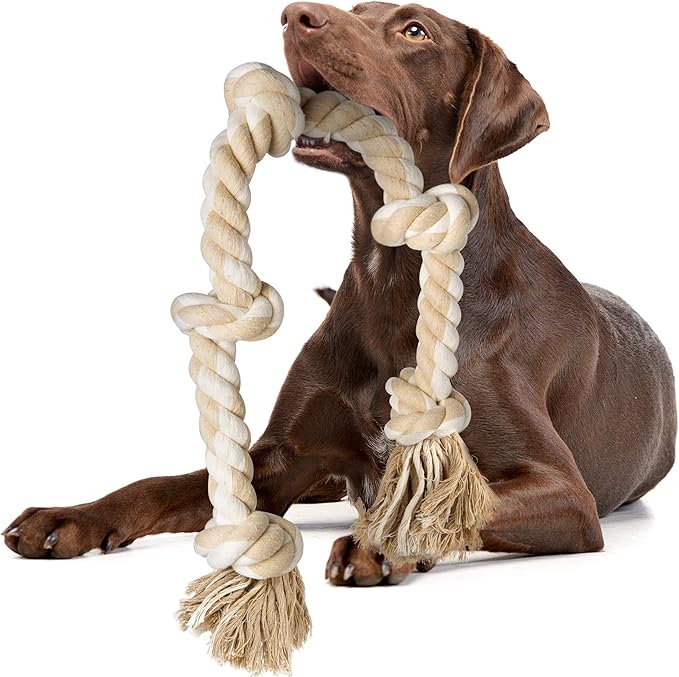
3. Non-Toxic Tug Toys
Best for: Interactive play
Natural rope toys are commonly used for tug games.
Good for bonding
Encourage controlled play
Inspect regularly for wear
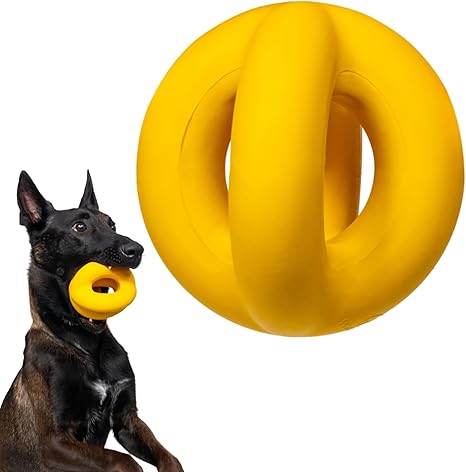
4. Non-Toxic Enrichment Toys
Best for: Mental stimulation
Puzzle toys made from safe rubber or silicone can:
Reduce boredom
Slow feeding
Encourage problem-solving
Durability matters more than complexity.
What to Avoid in Dog Toys
Be cautious with toys that:
Have strong chemical smells
Use vague “proprietary plastic” descriptions
Contain small detachable parts
Are not labeled for pet use
Have painted or coated surfaces without disclosure
Cheap toys often cut corners on materials.
How to Choose the Right Toy for Your Dog
Consider:
Chewing style: Gentle vs aggressive
Dog size: Always size up if unsure
Play type: Solo, interactive, enrichment
Material tolerance: Sensitivities or allergies
Rotate toys regularly to reduce wear and boredom.
Safety & Usage Notes
Inspect toys regularly for damage
Replace toys when pieces break off
Supervise new toys initially
Clean toys according to manufacturer instructions
No toy is indestructible—monitoring matters.
Frequently Asked Questions
Are non-toxic dog toys safer?
They reduce exposure to unnecessary chemicals, but supervision is still required.
Are natural rubber toys safe?
High-quality natural rubber toys are commonly used and well-tolerated.
Can puppies use non-toxic toys?
Yes—especially soft, size-appropriate options.
How often should dog toys be replaced?
When damage appears or material integrity changes.
Final Thoughts
Non-toxic dog toys are a practical choice for pet owners who prioritize safety, sustainability, and long-term wellbeing. The best options:
Use safer, clearly disclosed materials
Match your dog’s chewing habits
Are durable enough for regular use