
Best Non-Toxic Flea and Tick Control
Non-toxic flea and tick control focuses on managing pests without exposing pets to harsh chemical pesticides. Many conventional flea and tick treatments rely on strong synthetic compounds that may cause skin irritation, neurological reactions, or long-term sensitivity in some pets.
Non-toxic flea and tick control options emphasize gentler approaches, safer ingredients, and preventative strategies that reduce pest exposure while supporting overall pet health. When chosen carefully, they help manage parasites with lower chemical risk.
This guide explains what non-toxic flea and tick control is, why it matters, which approaches are safer, and how to evaluate options for effective protection.
What Is Non-Toxic Flea and Tick Control?
Non-toxic flea and tick control refers to pest management methods that avoid harsh synthetic insecticides.
They typically focus on:
physical or mechanical prevention
plant-based or low-toxicity ingredients
environmental control strategies
regular grooming and inspection
The goal is to reduce parasites while minimizing chemical exposure.
Why Non-Toxic Flea and Tick Control Matters
Flea and tick treatments are applied directly to pets’ skin or ingested orally. Non-toxic flea and tick control helps by:
reducing exposure to strong pesticides
lowering risk of adverse reactions
supporting pets with sensitivities
minimizing chemical buildup over time
creating safer long-term prevention routines
This is especially important for puppies and sensitive breeds.
Who Non-Toxic Flea and Tick Control Is Best For
Non-toxic flea and tick control is especially suitable for:
pets with sensitive skin
puppies and senior pets
households avoiding pesticides
pets with prior reaction history
owners using preventative strategies
It may be less effective in severe infestations without additional measures.
How We Evaluated Non-Toxic Flea and Tick Control Options
We focused on methods that:
clearly disclose ingredients or mechanisms
avoid synthetic pesticides
support consistent preventative use
integrate with grooming routines
prioritize pet safety
Effectiveness was considered alongside safety.
This content is for informational purposes only and does not replace veterinary advice.
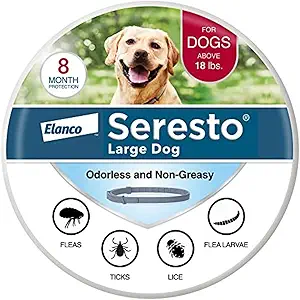
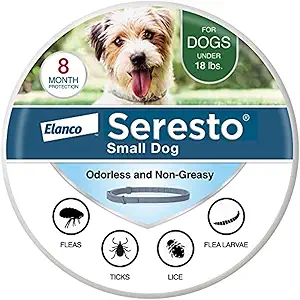

Safer Flea and Tick Control Approaches
1. Topical Plant-Based Treatments
low-toxicity formulations
applied directly to coat
2. Flea Combs and Manual Removal
physical removal
chemical-free control
3. Environmental Management
frequent washing of bedding
regular vacuuming
4. Preventative Grooming
routine inspection
early detection
Layered strategies improve results.
Common Mistakes to Avoid
assuming “natural” means fully effective
skipping environmental cleaning
inconsistent application
ignoring infestation severity
combining multiple treatments improperly
Consistency and monitoring are essential.
Frequently Asked Questions
Are non-toxic flea treatments effective?
They can be effective for prevention and mild infestations.
Do they kill fleas instantly?
Most focus on prevention and reduction, not instant elimination.
Are non-toxic options safe for puppies?
Many are, but age guidelines should always be checked.
Can non-toxic methods be combined?
Yes, layered approaches are often more effective.
Final Thoughts
Non-toxic flea and tick control offers a safer approach to parasite management by reducing reliance on harsh chemicals. While they may require more consistent use, these methods support long-term pet health and lower exposure risks.
For pet owners prioritizing safety and preventative care, non-toxic flea and tick control is a responsible alternative.