
Best Non-Toxic Grooming Products for Dogs (Gentle Care for Skin & Coat)
Shampoos, conditioners, sprays, and wipes don’t just clean—they interact with a dog’s skin barrier. Non-toxic grooming products aim to support cleanliness and comfort while reducing exposure to harsh detergents, synthetic fragrances, and irritating preservatives.
This guide explains what makes grooming products non-toxic, which ingredients are commonly preferred, and how to choose options that balance effectiveness with gentleness.
This content is for informational purposes only and does not replace veterinary advice.
Why Non-Toxic Grooming Products Matter
Dogs absorb substances through:
Skin contact
Licking residue from fur
Repeated exposure over time
Some conventional grooming products may include:
Harsh sulfates
Synthetic fragrances
Artificial dyes
Strong preservatives
Non-toxic grooming focuses on milder formulations designed for regular use.
What “Non-Toxic” Means in Dog Grooming
In grooming products, “non-toxic” generally refers to formulas that:
Avoid harsh detergents (like SLS/SLES)
Use mild, dog-appropriate surfactants
Limit synthetic fragrances and dyes
Clearly list ingredients
Are pH-balanced for dogs
Non-toxic does not mean ineffective—it means gentle by design.
Who Should Use Non-Toxic Grooming Products
These products are especially suitable for:
Dogs with sensitive skin
Puppies and senior dogs
Dogs with allergies or dryness
Owners who bathe dogs frequently
Eco- and safety-conscious households
They’re also a good default choice for routine grooming.
How We Evaluated Non-Toxic Grooming Products
We focused on products that:
Disclose full ingredient lists
Are formulated specifically for dogs
Avoid unnecessary additives
Are suitable for regular use
Are widely available from reputable brands
Ingredient transparency and skin comfort matter most.
Common Ingredients in Non-Toxic Dog Grooming
Aloe Vera
Role: Skin soothing and hydration
Often included to support moisture balance.
Oatmeal
Role: Gentle cleansing and comfort
Commonly used for sensitive or dry skin.
Coconut-Based Cleansers
Role: Mild surfactants
Used as alternatives to harsh detergents.
Essential Oils (Low Concentration)
Role: Light scent or coat support
Used sparingly and only in dog-safe formulations.
Vitamin E
Role: Skin barrier support
Often included for coat health.
Types of Non-Toxic Grooming Products
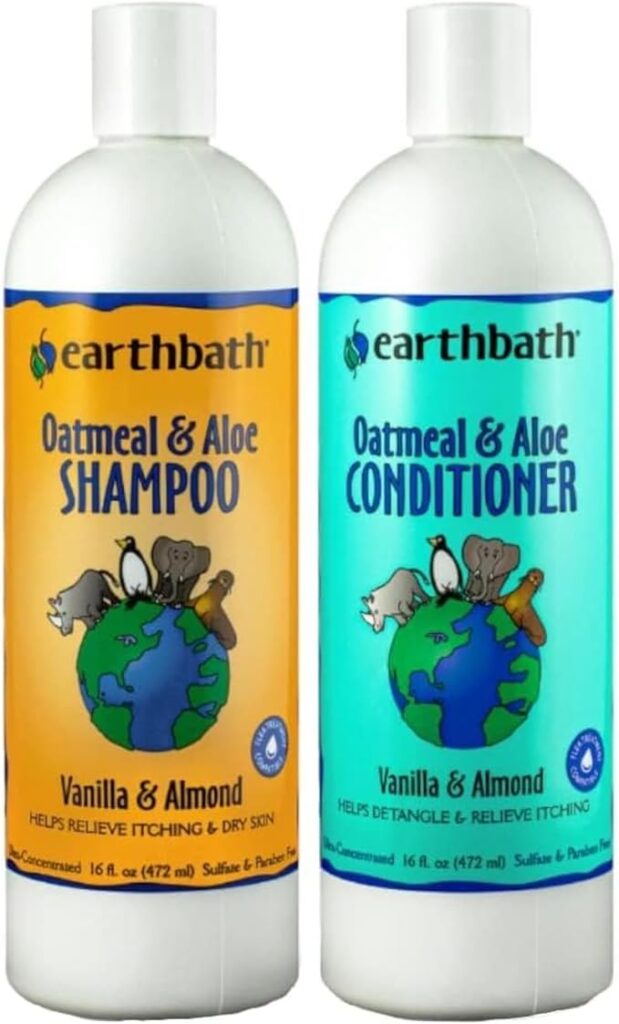
1. Non-Toxic Dog Shampoos
Best for: Regular bathing
Look for:
Sulfate-free formulas
pH-balanced for dogs
Minimal fragrance
Avoid human shampoos—even natural ones.
2. Non-Toxic Conditioners
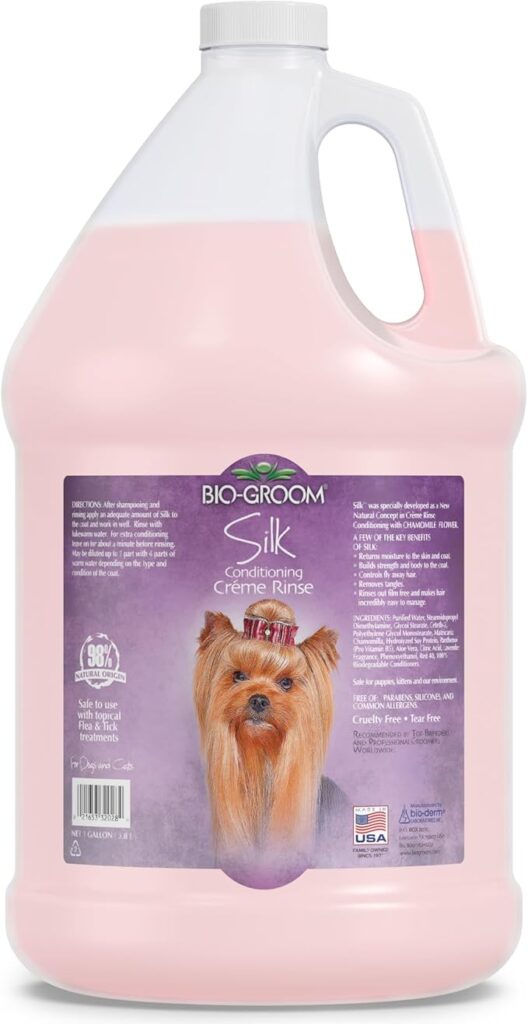
Best for: Coat softness and detangling
Conditioners help:
Reduce dryness
Improve coat manageability
Support shine
Rinse thoroughly to avoid residue.
3. Grooming Wipes (Non-Toxic Options)
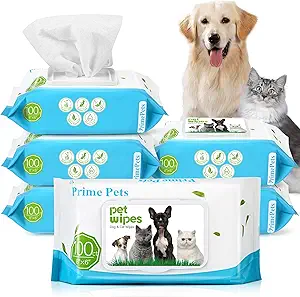
Best for: Between baths
Convenient for paws and coats
Should be fragrance-light
Avoid alcohol-based formulas
Wipes are for maintenance—not deep cleaning.
4. Leave-In Sprays & Detanglers
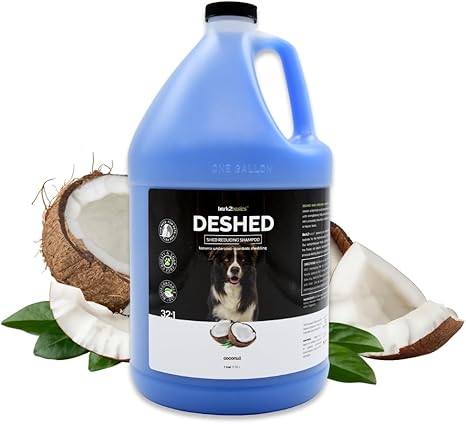
Best for: Long or thick coats
Choose sprays that:
Are lightweight
Do not leave sticky residue
Use mild, dog-safe ingredients
What to Avoid in Dog Grooming Products
Be cautious with products that:
Contain strong artificial fragrances
Use human-grade detergents
Have vague ingredient lists
Cause redness or irritation
Leave heavy residue on fur
If irritation occurs, stop use and reassess.
How to Choose the Right Grooming Products
Consider:
Coat type (short, long, curly)
Skin sensitivity
Bath frequency
Scent tolerance
Ease of rinsing
Patch-test new products when possible.
Grooming Frequency & Best Practices
Bathe as needed—not excessively
Use lukewarm water
Rinse thoroughly
Dry completely to avoid irritation
Gentle routines support healthier skin.
Frequently Asked Questions
Are non-toxic grooming products safer?
They reduce exposure to harsh chemicals and are better suited for regular use.
Can puppies use non-toxic shampoos?
Yes, puppy-specific formulas are ideal.
Are essential oils safe for dogs?
Only when used at very low concentrations in dog-formulated products.
How often should dogs be bathed?
Varies by breed, coat type, and activity level.
Final Thoughts
Non-toxic grooming products help maintain cleanliness while supporting skin comfort and coat health. The best options:
Use gentle, dog-appropriate ingredients
Are suitable for regular routines
Avoid harsh detergents and heavy fragrances