
Best Pet-Safe Air Purifiers
Pet-safe air purifiers are designed to improve indoor air quality without releasing substances that could harm animals. Many standard air purifiers use ozone-generating technologies or fragrances that may irritate pets’ respiratory systems, especially in enclosed indoor environments.
Pet-safe air purifiers focus on filtration-based air cleaning that removes allergens, dust, dander, and pollutants without introducing new risks. When chosen correctly, they help create healthier indoor spaces for both pets and humans.
This guide explains what pet-safe air purifiers are, why they matter, which features are important, and how to evaluate options for homes with pets.
What Are Pet-Safe Air Purifiers?
Pet-safe air purifiers are air-cleaning devices designed to improve air quality without emitting harmful byproducts.
They typically:
avoid ozone-generating technology
rely on mechanical filtration
operate without added fragrances
meet indoor air safety standards
Their goal is to clean the air, not alter it chemically.
Why Pet-Safe Air Purifiers Matter
Pets breathe the same indoor air as humans, often closer to the ground where pollutants concentrate. Pet-safe air purifiers help by:
reducing pet dander and hair
filtering dust, pollen, and allergens
minimizing respiratory irritation
improving overall indoor air quality
supporting pets with allergies or asthma
Clean air supports long-term respiratory health.
Who Pet-Safe Air Purifiers Are Best For
Pet-safe air purifiers are especially suitable for:
homes with dogs or cats
pets with allergies or breathing sensitivities
indoor pets spending most time inside
households in urban or polluted areas
owners improving air quality proactively
They may be less critical in well-ventilated outdoor environments.
How We Evaluated Pet-Safe Air Purifiers
We focused on air purifiers that:
clearly state ozone-free operation
use HEPA or equivalent filtration
effectively filter pet-related allergens
operate quietly for pet comfort
suit common home room sizes
Safety and filtration effectiveness were equally important.
This content is for informational purposes only and does not replace veterinary advice.
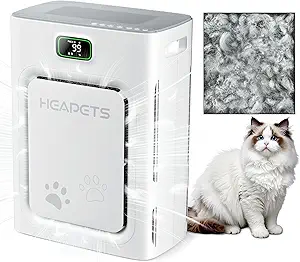
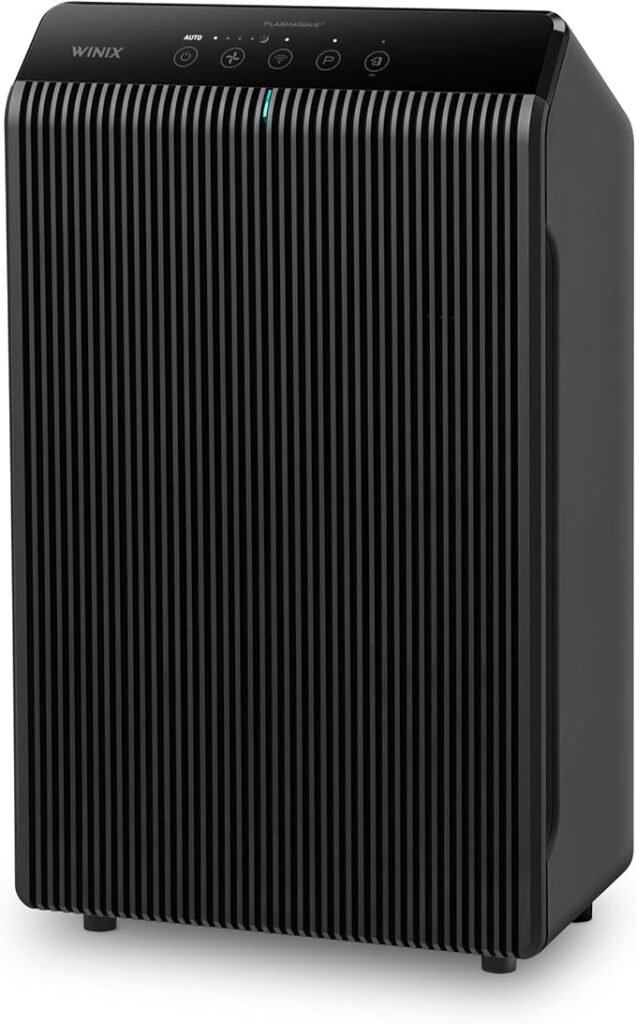
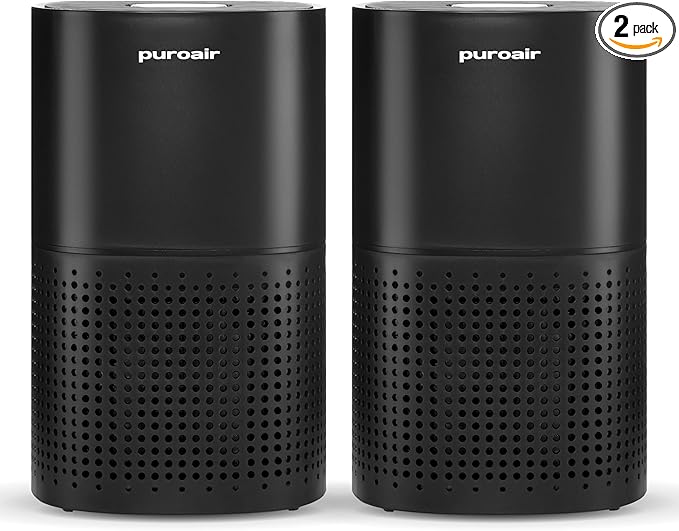
Key Features to Look For
1. True HEPA Filtration
captures fine particles
removes pet dander and dust
2. Activated Carbon Filters
reduce odors safely
no chemical masking
3. Ozone-Free Certification
avoids respiratory irritation
safe for continuous use
4. Quiet Operation
less stress for pets
suitable for sleeping areas
Avoid ionizers or ozone-based systems.
Types of Pet-Safe Air Purifiers
1. Room Air Purifiers
Best for: Living spaces
portable units
targeted air cleaning
2. Whole-Home Systems
Best for: Large homes
integrated filtration
higher coverage
3. Compact Purifiers
Best for: Bedrooms or pet areas
quiet operation
localized use
Choose based on space size and pet needs.
Common Mistakes to Avoid
using ozone-generating purifiers
choosing incorrect room size capacity
neglecting filter replacement
placing purifiers improperly
assuming all purifiers are pet-safe
Proper placement and maintenance matter.
Frequently Asked Questions
Are air purifiers safe for pets?
Yes, when ozone-free and properly filtered.
Do air purifiers help pet allergies?
They can significantly reduce airborne allergens.
How often should filters be replaced?
Typically every 3–6 months, depending on use.
Do air purifiers remove pet odors?
Yes, with activated carbon filters.
Final Thoughts
Pet-safe air purifiers support healthier indoor environments by removing airborne irritants without introducing harmful byproducts. For homes with pets, especially those with allergies or sensitivities, clean air plays a critical role in overall wellbeing.
Choosing a pet-safe air purifier is a proactive step toward better respiratory health for both pets and people.