
Best Probiotics for Dogs (Digestive Support That’s Gentle & Reliable)
Digestive health plays a major role in a dog’s overall wellbeing. When digestion is balanced, dogs tend to have better stool quality, more consistent energy levels, and fewer stomach-related issues. For this reason, probiotics for dogs are commonly used as a natural way to support gut health.
This guide explains how dog probiotics work, what to look for in quality products, and how to choose an option that prioritizes safety, consistency, and transparency.
This content is for informational purposes only and does not replace veterinary advice.
Why Digestive Health Matters for Dogs
A dog’s digestive system affects more than just digestion. The gut is closely linked to:
Nutrient absorption
Immune function
Stool consistency
Overall comfort and behavior
Stress, diet changes, antibiotics, or aging can disrupt gut balance. Probiotics are often used to support a stable digestive environment, especially during transitions.
What Are Probiotics for Dogs?
Probiotics are beneficial microorganisms formulated to support a healthy gut environment. Dog-specific probiotics are designed to survive digestion and work within a canine digestive system.
They are commonly used to:
Support normal stool consistency
Help during dietary changes
Maintain digestive balance during stress
Support gut health after antibiotics (when appropriate)
They are not medications and do not treat disease.
Who Dog Probiotics Are Best For
Probiotics are commonly used by dog owners whose dogs:
Have occasional loose stools
Experience digestive sensitivity
Are switching foods
Are under stress (travel, boarding, routine changes)
Are seniors with slower digestion
They may be less necessary for dogs with consistently normal digestion and no recent changes.
How We Evaluated Dog Probiotics
We focused on products that:
Are formulated specifically for dogs
List strains and colony counts clearly
Provide consistent dosing instructions
Avoid unnecessary fillers or artificial additives
Are widely available from reputable brands
Clarity and formulation matter more than strain quantity alone.
Common Probiotic Strains Used for Dogs
While strain names may sound technical, consistency matters more than complexity.
Commonly used strains include:
Lactobacillus species
Bifidobacterium species
Enterococcus faecium (dog-specific strains)
Multi-strain formulas are common, but quality and stability are more important than the number of strains.
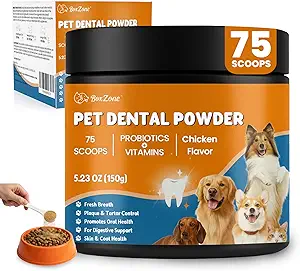
1. Powdered Probiotics for Dogs
Best for: Flexible dosing and mixing with food
Powder probiotics are easy to sprinkle onto meals and are often preferred for picky eaters.
Advantages:
Easy to adjust dosage
Mixes well with wet or dry food
Often contain prebiotics
Considerations:
Must be stored properly
Requires consistent daily use
Powders are one of the most popular formats for daily digestive support.
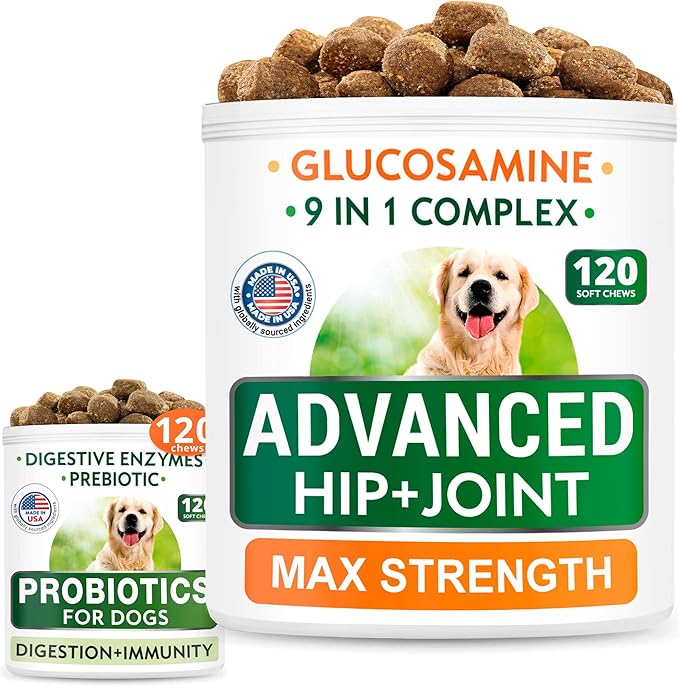
2. Probiotic Chews & Treats
Best for: Convenience and palatability
Soft chews combine probiotics with flavoring to improve compliance.
Advantages:
Easy to administer
Good for dogs resistant to powders
Fixed daily dosing
Considerations:
May include additional ingredients
Fixed dose may not suit all dog sizes
These are suitable when consistency is more important than flexibility.
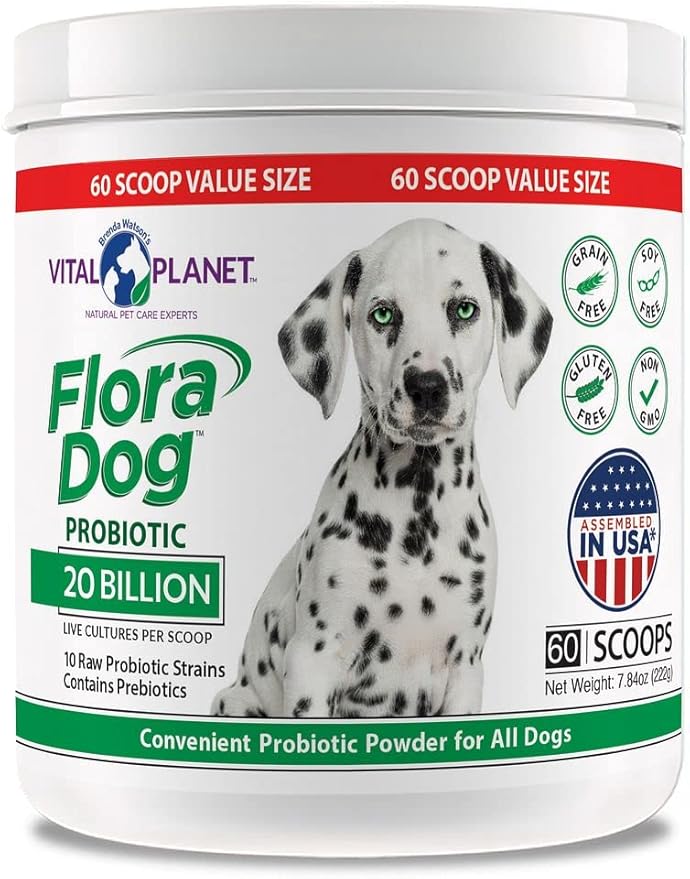
3. Probiotic Capsules & Sachets
Best for: Measured, consistent dosing
Some probiotics come in capsules or single-serve sachets.
Advantages:
Clear dosing
Often higher stability
Good for travel
Considerations:
Less flexible for small dogs
Capsules may need to be opened
These formats are often used during short-term digestive support.
Probiotics vs Prebiotics (What’s the Difference?)
Probiotics: Beneficial microorganisms
Prebiotics: Fibers that support probiotic growth
Many dog probiotics include both. This combination is commonly referred to as a synbiotic.
How to Choose the Right Probiotic for Your Dog
Start with your dog’s situation:
Occasional digestive upset: Powder or chew probiotic
Food transition: Multi-strain probiotic with prebiotics
Stress-related digestion: Daily low-dose probiotic
Senior dogs: Consistent, long-term probiotic support
Introduce gradually and observe changes over 7–14 days.
Safety & Usage Notes
Always choose dog-specific probiotics
Introduce slowly to avoid temporary digestive changes
Follow label instructions based on weight
Stop use if adverse reactions occur
Consult a veterinarian if your dog has medical conditions
Even gentle supplements should be used responsibly.
Common Mistakes to Avoid
Using human probiotics for dogs
Switching brands too frequently
Overdosing “for faster results”
Ignoring storage instructions
Consistency and moderation produce better outcomes.
Frequently Asked Questions
Are probiotics safe for dogs?
Most dog-specific probiotics are safe when used as directed.
How long before probiotics work?
Some dogs show changes within days; others require 2–4 weeks.
Can puppies take probiotics?
Some formulas are puppy-safe, but labels should be checked carefully.
Can probiotics be used daily?
Yes, many are designed for daily use.
Final Thoughts
Probiotics are a practical, natural way to support a dog’s digestive health when chosen carefully. The best products:
Are made specifically for dogs
Provide clear strain and dosing information
Are easy to administer consistently