
Best Sustainable Dog Accessories (Durable, Low-Waste Everyday Gear)
Dog accessories are part of daily life—leashes, collars, harnesses, travel gear, and small add-ons that support walks, training, and routines. Choosing sustainable accessories means prioritizing long-lasting construction, responsible materials, and products designed to age well, rather than disposable trends.
This guide explains what makes dog accessories sustainable, which materials are commonly used, and how to choose gear that reduces waste without sacrificing function or safety.
This content is for informational purposes only and does not replace veterinary advice.
What Makes a Dog Accessory Sustainable?
A sustainable dog accessory usually emphasizes:
Long product lifespan
Repairable or replaceable parts
Recycled or responsibly sourced materials
Minimal packaging
Timeless, functional design
Sustainability is less about being “perfect” and more about buying fewer, better products.
Why Sustainable Accessories Matter
Accessories are often replaced due to:
Fraying fabric
Broken clips
Poor stitching
Low-quality materials
Choosing better-made accessories helps:
Reduce landfill waste
Lower long-term costs
Improve safety during walks and travel
Create more reliable daily routines
Durability is a form of sustainability.
Who Sustainable Dog Accessories Are Best For
These products are ideal for:
Daily walkers and commuters
Active dogs and outdoor owners
Eco-conscious households
Puppies growing into long-term gear
Owners tired of frequent replacements
They’re also a smart choice for multi-dog households.
How We Evaluated Sustainable Dog Accessories
We focused on accessories that:
Use durable construction methods
Clearly disclose materials
Avoid unnecessary plastic components
Are suitable for long-term use
Are widely available from reputable brands
Practical durability matters more than design trends.
Common Materials Used in Sustainable Dog Accessories
Recycled Nylon & Polyester
Diverts plastic waste from landfills
Strong and weather-resistant
Common in leashes and harnesses
Best when stitching and hardware are high quality.
Hemp & Organic Cotton
Renewable fibers
Breathable and comfortable
Suitable for collars and soft accessories
More appropriate for lighter-duty use.
Stainless Steel & Aluminum Hardware
Rust-resistant
Long lifespan
Recyclable
Hardware quality often determines overall product life.
Natural Rubber (Limited Use)
Flexible and durable
Used in grips and select accessories
Often longer-lasting than cheap plastics
Types of Sustainable Dog Accessories
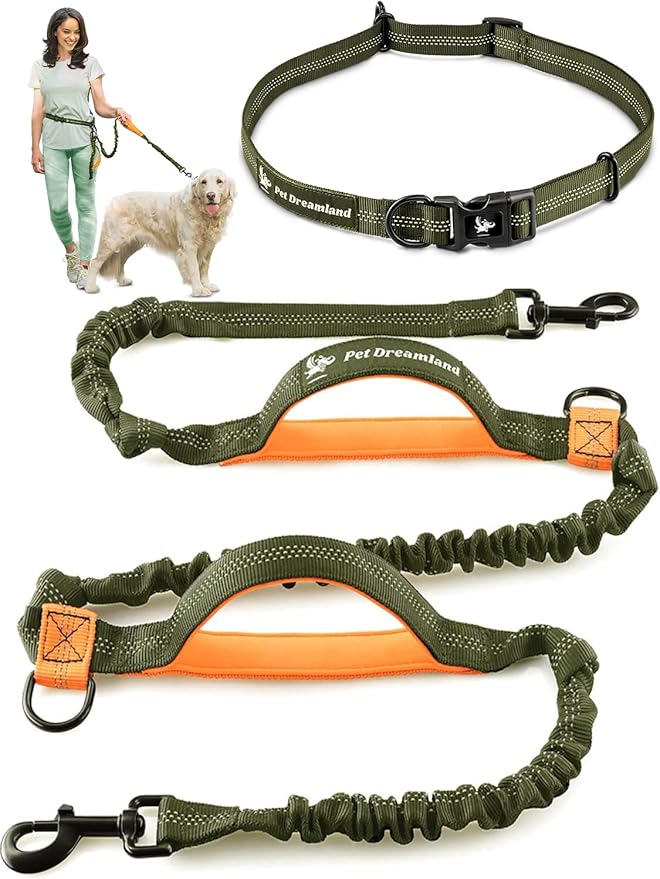
1. Sustainable Dog Leashes
Best for: Daily walks
Features to look for:
Reinforced stitching
Recycled or natural fibers
Strong, rust-resistant clips
Longer-lasting leashes reduce frequent replacements.
2. Sustainable Dog Collars
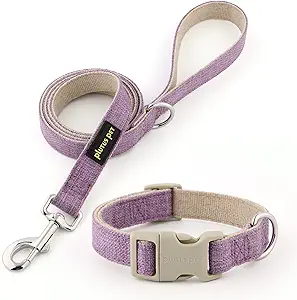
Best for: Everyday identification
Durable webbing or fabric
Replaceable hardware where possible
Comfortable edges to prevent irritation
Collars should balance strength with comfort.
3. Sustainable Dog Harnesses
Best for: Control and comfort
Harnesses made with:
Recycled fabrics
Reinforced stress points
Adjustable fit systems
They’re ideal for active dogs and training.

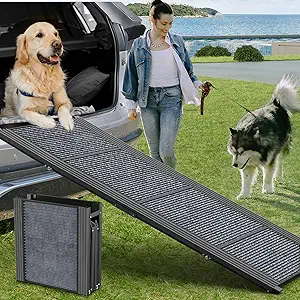
4. Travel & Outdoor Accessories
Best for: Adventures and commuting
Examples include:
Reusable seatbelt tethers
Durable travel pouches
Washable car seat protectors
Products that survive repeated use reduce waste.
5. Everyday Add-Ons
Best for: Small upgrades
Includes:
Refillable treat pouches
Washable poop bag holders
Modular accessories with replaceable parts
Small items add up over time.
What to Avoid When Buying Accessories
Be cautious with accessories that:
Have weak stitching
Use low-grade plastic clips
Are overly decorative but poorly built
Lack material transparency
Wear out within months
Cheap accessories are rarely sustainable.
How to Choose the Right Sustainable Accessories
Consider:
Dog size & strength
Activity level
Climate & environment
Ease of cleaning
Replacement parts availability
Buying one high-quality accessory often replaces several cheap ones.
Maintenance & Longevity Tips
Wash fabric accessories periodically
Inspect hardware regularly
Store away from direct sunlight
Replace worn components early
Good care extends product life significantly.
Frequently Asked Questions
Are sustainable accessories more expensive?
Sometimes upfront—but they often cost less over time.
Do recycled materials last as long?
Yes, when paired with quality construction.
Can puppies use sustainable accessories?
Yes, adjustable designs work well as dogs grow.
Are eco-friendly accessories safe?
When designed for pets and properly tested, yes.
Final Thoughts
Sustainable dog accessories reduce waste by focusing on durability, repairability, and responsible materials. The best options:
Last through daily use
Use strong, transparent materials
Replace disposable or low-quality gear