
Best Sustainable Pet Food
Pet food production has a measurable environmental impact—from sourcing animal proteins to packaging and transportation. As awareness grows, many pet owners are looking for options that support their dog’s health while reducing ecological harm.
Sustainable pet food focuses on ethical sourcing, environmentally responsible production, and cleaner ingredient choices. When chosen carefully, it supports long-term pet nutrition while aligning with sustainability values.
This guide explains what sustainable pet food is, who benefits most, what standards matter, and how to evaluate options for consistent, responsible feeding.
What Is Sustainable Pet Food?
Sustainable pet food refers to dog food produced with reduced environmental impact and ethical sourcing practices.
It typically emphasizes:
responsibly sourced proteins
lower-impact ingredient choices
transparent supply chains
reduced waste and emissions
environmentally conscious packaging
The goal is to balance pet nutrition with planetary responsibility.
Why Sustainable Pet Food Supports Better Pet Health
Sustainability and quality often overlap. Sustainable pet food helps by:
prioritizing higher-quality ingredient sourcing
reducing unnecessary fillers and byproducts
supporting digestibility and nutrient absorption
encouraging transparent manufacturing practices
promoting long-term nutritional stability
Cleaner sourcing often results in better overall food quality.
Who Sustainable Pet Food Is Best For
Sustainable pet food is especially suitable for:
environmentally conscious pet owners
dogs with food sensitivities
households seeking ethical consumption
owners focused on long-term wellness
pets requiring consistent, clean nutrition
It may be less suitable for owners focused strictly on lowest-cost options.
How We Evaluated Sustainable Pet Food
We focused on pet food options that:
demonstrate responsible ingredient sourcing
minimize environmental impact
maintain nutritional completeness
use transparent labeling
show commitment to sustainability beyond marketing
Actual practices mattered more than sustainability claims.
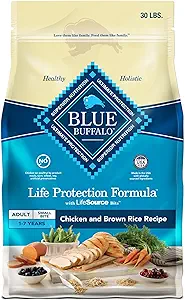
Key Sustainability Factors to Look For
1. Protein Sourcing
ethically raised animal proteins
alternative or low-impact protein sources
2. Ingredient Transparency
clearly identified ingredients
minimal processing
3. Manufacturing Practices
energy-efficient production
responsible waste management
4. Packaging Considerations
recyclable or reduced packaging
minimal excess materials
Balanced sustainability supports both pets and the environment.
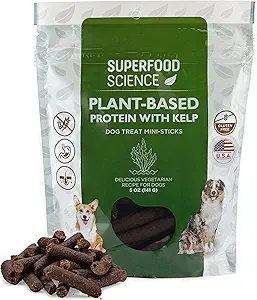
Types of Sustainable Pet Food
1. Sustainably Sourced Dry Food
Best for: Daily feeding
lower storage impact
consistent nutrition
2. Fresh or Minimally Processed Sustainable Food
Best for: Premium nutrition
higher ingredient integrity
reduced processing
3. Limited-Ingredient Sustainable Formulas
Best for: Sensitive dogs
simplified ingredient lists
reduced allergen exposure
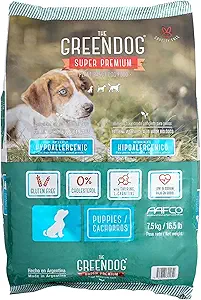
Common Mistakes to Avoid
assuming eco-friendly packaging equals sustainable food
ignoring ingredient sourcing details
prioritizing sustainability over nutrition balance
switching diets too quickly
overlooking certification or transparency
Sustainability should complement, not replace, nutritional adequacy.
Frequently Asked Questions
Is sustainable pet food nutritionally complete?
Yes, when properly formulated and balanced.
Does sustainable pet food cost more?
It may be priced higher due to ethical sourcing.
Is it suitable for all dog breeds?
Most formulas are designed for adult dogs; labels should be checked.
How soon do dogs adapt to sustainable food?
Gradual transitions typically show benefits within weeks.
Final Thoughts
Sustainable pet food offers a responsible approach to feeding dogs without compromising nutrition. By prioritizing ethical sourcing and environmentally conscious practices, it supports both pet health and long-term ecological wellbeing.
For pet owners seeking nutrition aligned with sustainability values, sustainable pet food is a meaningful choice.