How Sustainable Cat Litter Can Help Reduce Your Carbon Footprint Through Eco-Friendly Materials
I’ve always believed that the everyday choices we make can add up to significant changes for our planet. Every time my cat uses the litter box, I’m reminded that even small decisions have a big impact. Traditional clay-based litters not only create a mess at home—they harm our environment through extensive mining, energy use, and transportation emissions. That’s why I switched to sustainable cat litter, and I want to share my journey and tips for how sustainable cat litter can help reduce your carbon footprint while keeping your kitty comfortable.
Understanding Carbon Footprint and Pet Care Responsibility
When I first started looking into sustainable pet options, I realized that my carbon footprint wasn’t just about driving or home energy consumption. Pet care, especially the products we use every day, plays a surprising role. Traditional clay litter requires heavy mining operations that disturb ecosystems, disrupt wildlife habitats, and consume huge amounts of energy. The result? More greenhouse gases and persistent waste in landfills.
Switching to eco-friendly alternatives means embracing materials that naturally break down over time and require less energy to produce. It’s not only better for the environment at the source—it also minimizes transportation emissions because these materials are often lighter than clay. I personally find that every little choice matters, and using sustainable cat litter is an easy way to positively impact our planet.
How Sustainable Cat Litter Can Help Reduce Your Carbon Footprint by Avoiding Harmful Mining Practices
One of the main issues with traditional cat litter is the extensive mining process required to extract clay. This process isn’t just about digging up ground material—it’s about permanently altering landscapes and disturbing natural cycles. When I learned about the negative impact of clay mining, I knew I had to reconsider my options.
Here are some of the downsides of traditional clay-based litter:
- Disturbed Ecosystems: Mining operations strip away the topsoil and natural habitats, leaving scars that take decades to recover.
- High Energy Consumption: Extracting, processing, and transporting clay uses a lot of non-renewable energy.
- Long-Term Waste Accumulation: Once disposed of, clay litter remains in landfills for many years, contributing to long-term environmental buildup.
By contrast, sustainable cat litter comes from renewable sources that regenerate naturally. Instead of digging up our earth, these eco-friendly options—often made from plant fibers, corn, wheat, recycled paper, or wood chips—help close the loop in a circular economy.
Eco-Friendly Materials and Renewable Resources
I was pleasantly surprised to learn that many sustainable litters are derived from materials that otherwise would be considered waste. For example:
- Wood-Based Litters: Made from sawdust or compressed wood pellets, these litters come from recycled wood waste or sustainably managed forests.
- Corn and Wheat Litters: These are derived from renewable agricultural byproducts, providing excellent clumping action while returning to the earth naturally.
- Paper-Based Litters: Created from recycled paper products, these litters contribute to reducing overall paper waste.
Not only do these materials perform similarly to clay in terms of odor control and moisture management, but they also require less energy to produce and process. This means lower overall carbon emissions and less environmental harm. When I make the switch, I feel like I’m doing my part by avoiding the harmful processes that come with traditional litter.
How Sustainable Cat Litter Can Help Reduce Your Carbon Footprint by Cutting Down on Energy Use and Waste
Lower Energy Consumption in Manufacturing
The production of traditional clay litter involves multiple energy-intensive steps—from mining, grinding, heating, and drying to transportation. In contrast, eco-friendly litters are designed to minimize energy usage from production to end-of-life. Some sustainable manufacturers even power their operations with renewable energy sources like wind or solar. This means each bag of sustainable litter is made with significantly lower energy consumption.
This approach not only reduces the carbon footprint but also promotes cleaner production methods that are kinder to our environment. Every time I choose a sustainable product, I’m supporting companies that are genuinely looking to reduce their overall emissions.
Reduced Waste and Biodegradability
Another significant benefit of sustainable cat litter is biodegradability. Traditional clay doesn’t break down easily, leading to a massive accumulation of waste. On the other hand, biodegradable litters decompose naturally over months or a few years rather than centuries, easing the burden on our landfills.
Sustainable options often come with compostable packaging or are even flushable (though you should always consult local guidelines before flushing!). This natural cycle of decomposition helps to return organic matter to the soil, completing the environmental cycle.
How Sustainable Cat Litter Can Help Reduce Your Carbon Footprint with Improved Transportation and Packaging Practices
Transportation Efficiency and Reduced Emissions
One often-overlooked factor in the environmental impact of cat litter is transportation. Clay litter is heavy, meaning that trucks require more fuel to transport the product from mining sites to processing plants, retailers, and ultimately your home. Sustainable litters, being lighter and often produced closer to their source materials, naturally reduce the need for long-distance transport.
For instance, when I started researching sustainable options, I found that many eco-friendly brands source their ingredients locally, drastically cutting down on transportation emissions. That local sourcing combined with lighter material weight means that each bag of sustainable litter contributes to lower transportation-related carbon emissions.
Eco-Friendly Packaging Innovations
Packaging plays a crucial role in reducing waste. Many sustainable cat litter products come in packaging designed to minimize plastic use. Some companies even use recycled materials or offer compostable bags, reducing the overall environmental footprint from production to disposal.
Common Types of Traditional Cat Litter and Their Environmental Impact
Before I made the switch to a sustainable option, I used traditional clay-based litter without really pondering its broader impact. The standard clay-based litter—while affordable and effective for odor control—has many hidden costs:
Environmental Drawbacks of Clay-Based Litter
Traditional clay litter is extracted through strip mining, which disrupts ecosystems and requires significant energy use. The process breaks up natural landscapes, damages wildlife habitats, and eventually leads to large piles of waste in landfills. Here are some key points:
- Mining Damage: Extraction of clay leads to irreversible changes in landscapes.
- Processing Energy: Heavy grinding, drying, and the addition of chemical additives increase carbon emissions.
- Long-Term Waste: Clay doesn’t biodegrade, taking up landfill space indefinitely.
When I think about traditional litter, I remember asking myself: Is there a more responsible way to keep my cat’s living space clean without hurting the planet?
Silica Gel Litter and Its Hidden Problems
Silica gel litter is another popular choice, known for its excellent moisture absorption and odor control. However, its production requires energy-intensive processes, and the crystalline structure is not biodegradable. Once disposed of, silica gel litter lingers in landfills for years, just like clay-based variants. It’s a case where improved performance doesn’t always align with sustainable practices.
Sodium Bentonite: The Double-Edged Sword
Many pet owners, myself included, have relied on sodium bentonite for its clumping properties. It makes cleaning the litter box easier, but the extraction process for sodium bentonite involves strip mining that devastates soils and local ecosystems. Beyond mine scars, the transportation and processing add layers of carbon emissions, further highlighting the need for sustainable alternatives.
Biodegradable and Natural Alternatives: A Real Difference for the Planet
Shifting to biodegradable and natural alternatives was an eye-opener. I discovered a range of sustainable options that not only performed well for odor control and clumping but also offered enormous benefits for our environment.
Exploring Plant-Based Cat Litter Options
Plant-based litters are made from materials like pine, wheat, corn, and even recycled paper. They offer several advantages:
- Natural Odor Control: Many plant-based litters use the natural scent of pine or other botanicals to neutralize odors.
- Biodegradability: These materials break down naturally, reducing landfill waste and harmful leachate.
- Sustainable Sourcing: They’re often produced from renewable sources or agricultural byproducts that would otherwise go to waste.
For example, my favorite is a pine-based litter that not only clumps well but also leaves a natural, pleasant aroma in the area. It feels good knowing that I’m reducing my pet’s environmental impact without suffering any performance trade-offs.
Benefits of Biodegradable Litters
Here are some of the standout benefits I experienced after making the switch:
- Lower Energy in Production: Since these alternatives require less processing, there’s a significant drop in energy consumption.
- Natural Breakdown: Biodegradable litters decompose much faster, returning to the earth without leaving harmful residues.
- Support for Eco-Innovators: Choosing sustainable products encourages companies to invest in better environmental technology and responsible practices.
How Sustainable Cat Litter Can Help Reduce Your Carbon Footprint: Practical Steps and Transition Tips
Step-by-Step Guide to Switching
When I first decided to make the change, I was cautious, knowing that cats can be loyal to their routines. Here’s what I did:
- Start Small: I began with a small bag of sustainable cat litter to see how my cat adjusted.
- Mix Gradually: I mixed the new litter with the old, slowly increasing the ratio over a week or two. This helped prevent litter box avoidance and gave my cat time to get used to the new texture and scent.
- Monitor Your Cat’s Reaction: I paid close attention to changes in behavior. Thankfully, my cat seemed comfortable and even enjoyed the new experience.
- Experiment with Different Brands: Not every sustainable litter is the same. I tried a couple of different products until I found one that met my expectations for clumping, odor control, and ease of cleaning.
I recommend giving your furry friend time while you transition. If any issues arise, revert to a higher proportion of the old litter and try again slowly. Remember, patience is key!
Evaluating Odor Control and Performance
A common concern among pet owners is whether sustainable litter can offer the same performance as traditional clay. My experience proved that modern eco-friendly litters come infused with natural odor-neutralizing agents like activated charcoal or baking soda, making them just as effective as their conventional counterparts. Here are a few tips I found useful:
- Scoop Daily: Regular scooping helps maintain freshness regardless of the type of litter used.
- Read Reviews: Feedback from other pet owners can offer valuable insights, so I frequently check reviews to guide my purchase decisions.
- Be Open to Change: If a particular sustainable litter doesn’t work well with your cat’s needs, don’t hesitate to try another. There’s a wide variety of options available.
With a slight increase in maintenance, I found that sustainable litter provided impressive odor control and clumping performance while also boosting environmental stewardship.
Making Disposal Eco-Friendly Too
My commitment to a greener lifestyle didn’t stop at just switching the litter. I also paid attention to how I disposed of used litter. Many sustainable litters are designed to be compostable. If you have a dedicated compost pile (separate from your vegetable waste), you can compost used biodegradable litter, provided it’s free of harmful additives.
How Sustainable Cat Litter Can Help Reduce Your Carbon Footprint: Real Stories and Lasting Impact
Over time, I’ve come to appreciate the long-term benefits of sustainable cat litter. Even though switching one bag at a time might seem like a small change, when millions of cat owners join in, the collective impact is enormous. Consider these points:
- Significant Reduction in Mining Operations: Lower demand for clay means fewer destructive mining operations, preserving natural landscapes.
- Lower Transportation Emissions: Lighter, sustainably produced litters reduce fuel consumption during shipping.
- Less Waste in Landfills: Biodegradable materials reduce the accumulation of non-degradable waste.
- Support for Eco-Friendly Innovations: Each time I purchase sustainable litter, I send a signal to manufacturers that there’s strong consumer demand for eco-conscious products.
My choice to switch has not only reduced my personal environmental impact, but it also contributes to longer-term change. Every bag of sustainable cat litter I buy is a small vote for a cleaner, healthier planet.
Long-Term Environmental and Financial Benefits
Over the years, I’ve noticed several long-term benefits since making the switch:
- Environmental Impact: Reduced emissions from manufacturing and transportation, less energy consumption, and fewer chemicals are a win for the environment.
- Cost Savings: Although some sustainable litters may seem pricier upfront, the reduction in waste and potential benefits for home air quality often translate into long-term savings.
- Community Influence: When friends and family see my switch, they ask questions and begin considering similar choices. It’s amazing what a small conversation in a pet store or over dinner can do for awareness.
How Sustainable Cat Litter Can Help Reduce Your Carbon Footprint by Making Smart Lifestyle Choices
Choosing to switch isn’t just about litter—it’s about aligning everyday actions with a commitment to the environment. I’ve learned that sustainable pet care is not about radical lifestyle changes, but rather about making smarter, collectively powerful decisions. Each sustainable product purchase is an opportunity to signal that conventional, resource-intensive products are no longer acceptable.
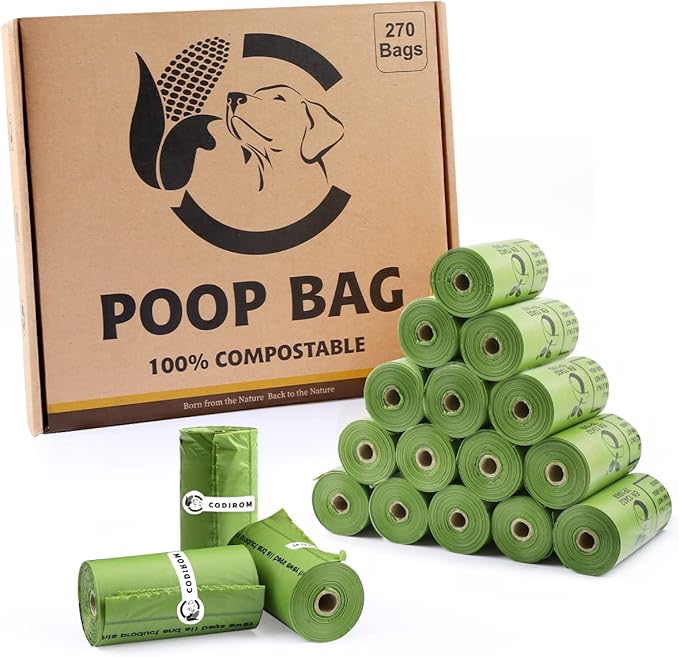
I’ve also explored other changes in my pet care routine, like using eco-friendly waste bags and switching to greener cleaning products. Together, these choices contribute even more to reducing my overall carbon footprint. In fact, every small decision plays a role in the larger puzzle of environmental responsibility.
Steps I Took to Make My Home Eco-Friendly
If you’re thinking, “Where do I start?” here are some steps that I found invaluable:
- Start with What You Use: I began with the litter and then moved on to other pet products. It was rewarding to see the tangible impact of one change leading to another.
- Research Options: I spent time reading reviews, comparing ingredients, and even reaching out to manufacturers. This helped me choose brands that truly cared about sustainability.
- Implement Gradual Changes: Whether it’s litter or waste bags, I introduced new eco-friendly products slowly to ensure both my cat and I’d have an easy transition.
- Engage Your Community: I shared my experiences on social media and in local pet groups, and the positive feedback encouraged me to stick with the sustainable journey.
These real-life steps helped me see that eco-friendly living isn’t about perfection—it’s about continuous improvement and making honest, daily choices that align with our values.
Frequently Asked Questions About How Sustainable Cat Litter Can Help Reduce Your Carbon Footprint
What exactly is sustainable cat litter? Sustainable cat litter is made from renewable or recycled materials like wood chips, corn, wheat, or recycled paper. It avoids the environmentally damaging mining practices used in clay-based litters and usually decomposes much faster, reducing waste accumulation.
Will my cat adjust to sustainable litter quickly? In my experience, most cats adjust within a few days to a couple of weeks when the new litter is introduced gradually. Mixing a small amount of eco-friendly litter with the old litter often ensures a smooth transition without stress or litter box avoidance.
Does sustainable cat litter work as effectively as traditional clay litter? Yes, modern sustainable litters have come a long way. They offer excellent odor control, clumping performance, and moisture management. Many even include natural additives like charcoal or baking soda for enhanced odor neutralization.
How can I dispose of sustainable litter in an eco-friendly way? Many sustainable litters are designed to be compostable. Always check the packaging and local waste guidelines. If composting isn’t an option, ensuring that the litter is disposed of properly can still have a positive impact by reducing landfill waste compared to non-biodegradable clay.
Can switching to sustainable products make a significant environmental impact? Absolutely. Even if your individual switch seems small, when millions of cat owners opt for sustainable alternatives, the collective reduction in emissions, energy use, and waste can be enormous. It’s all about creating a market that demands eco-friendly products.
Conclusion: How Sustainable Cat Litter Can Help Reduce Your Carbon Footprint for a Healthier Planet
My journey to finding an eco-friendlier alternative to traditional cat litter has been rewarding on many levels—both