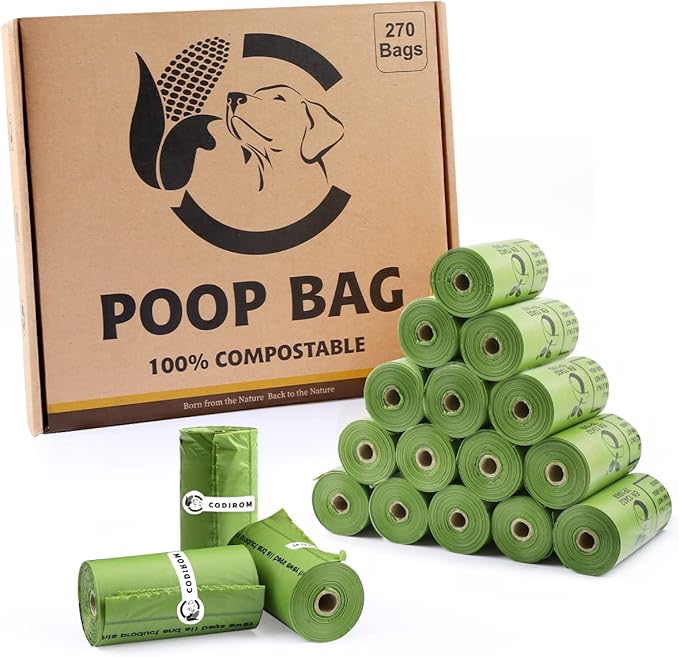
The Science Behind Compostable Dog Waste Bags: A Guide to Their Environmental Impact
Welcome to a deep dive into the world of compostable dog waste bags. In this detailed guide, I’ll walk you through the science of these eco-friendly alternatives, explain the materials and processes that allow them to break down naturally, and share real-world testing results from my own sustainable pet care practices. My journey as a holistic veterinarian and sustainable pet lifestyle consultant has led me to explore every facet of environmentally safe pet products, and today, I’ll provide you with the insights you need to make informed decisions for your pet’s well-being and for our planet.
Innovative Materials in Compostable Dog Waste Bags
At the core of compostable dog waste bags is a breakthrough in material science. Instead of relying on petroleum-based plastics, these bags are made with renewable, biodegradable materials. They include plant-based polymers sourced from renewable crops like cornstarch and sugarcane, which are designed to integrate back into the natural cycle safely once they’ve served their purpose.
Renewable Resources: The Foundation That Matters
The reliance on renewable resources makes these bags a transformative alternative to traditional plastics. Here’s how using materials derived from nature impacts the environment:
- Sustainable Agriculture Support: Utilizing plants like corn and sugarcane drives demand for renewable crops and promotes farming practices that are less harmful to the environment.
- Reduced Fossil Fuel Dependency: By moving away from oil-based derivatives, the production process lowers greenhouse gas emissions and the environmental hazards associated with fossil fuels.
- Natural Lifecycle Integration: These bags are designed to eventually break down into natural compounds, meaning they can safely return to the soil without leaving a toxic legacy.
Biodegradable Polymers: Accelerating Natural Decomposition
One of the key innovations behind compostable dog waste bags is the use of biodegradable polymers. For instance, Polylactic Acid (PLA) is engineered to decompose rapidly under the right environmental conditions. This polymer offers several benefits compared to conventional plastics:
- Efficient Breakdown: Under specific moisture, temperature, and microbial activity conditions, these polymers quickly transform into water, carbon dioxide, and organic material.
- Non-Toxic Residue: As they degrade, these substances do not release harmful chemicals, ensuring the long-term health of our soil and natural habitats.
- Soil Enrichment: The by-products of decomposition not only vanish but also enrich the soil with organic matter, supporting plant growth and maintaining ecosystem health.
No Harmful Chemicals: Prioritizing Environmental and Animal Health
Traditional plastic waste bags can leach dangerous chemicals into the environment over time. In contrast, compostable dog waste bags are carefully designed to avoid toxic residues. This means that as they break down, they leave behind nothing harmful—only water, carbon dioxide, and beneficial organic matter. This is especially important for areas like your backyard garden and public green spaces, ensuring a safe environment for wildlife and pets alike.
To learn more about eco-friendly pet care practices, visit our Pet Health & Environment resource page.
How Compostable Dog Waste Bags Break Down: The Composting Process Explained
The science behind these bags continues as we explore the composting process. When appropriately managed in a composting system, these bags undergo a transformation driven by nature’s most efficient processors—microorganisms. Let’s break down how this process unfolds:
Microbial Activity: Nature’s Waste Managers
The decomposition process begins at a microscopic level. Bacteria, fungi, and other microorganisms are at work, converting the bag material into valuable organic matter. This transformation is both rapid and natural. Here’s what happens:
- Microorganisms in Action: Bacteria and fungi perceive the organic polymers within the bags as food, initiating the degradation process.
- Conversion to Natural Compounds: As these microbes digest the material, the bag progressively turns into water, carbon dioxide, and organic compounds that nourish the soil.
- Eco-Friendly Breakdown: This natural recycling process ensures that no toxic chemicals are released, mirroring the efficiency of nature’s own waste management systems.
Environmental Conditions for Optimal Decomposition
For the composting process to be effective, maintaining the right environmental conditions is essential. A few factors that significantly influence decomposition include:
- Moisture: Adequate moisture levels promote microbial life. However, too much water can create anaerobic conditions that slow down decomposition. It’s important to keep the compost damp but not overly saturated.
- Temperature: A warmer environment accelerates the activity of microbes. In managed compost systems, elevated temperatures can be maintained to enhance the breakdown process.
- Aeration: Maintaining oxygen flow is crucial. Regularly turning the compost pile introduces fresh oxygen, allowing aerobic microbes to thrive and speed up decomposition.
The Timeframe: From Waste Bag to Valuable Compost
Under well-maintained conditions, compostable dog waste bags can degrade in as little as 90 to 180 days. This rapid decomposition stands in stark contrast to traditional plastics, which can linger in the environment for centuries. The relatively short lifespan of these bags in the ecosystem is one of the many reasons why they represent a smart, sustainable alternative for pet waste management.
Real-World Testing: A Practical Look at Compostable Dog Waste Bags
One of the most convincing ways to understand the benefits of compostable dog waste bags is to see them in action. I decided to test these bags during a recent summer season with my 5-year-old Golden Retriever, Max. His behavior and the observable changes in our backyard compost system offered tangible proof of their effectiveness.
Max’s Eco-Friendly Test: Observations from Everyday Use
Max, ever energetic and curious, quickly adapted to the new waste management system. The following points highlight our experience:
- Unchanged Behavior: Max showed no signs of distress or discomfort with the new bags in use. His normal behavior affirmed that the bags are safe and non-intrusive.
- Effective Decomposition: Over the summer months, I closely monitored our backyard compost bin. Using these compostable bags, I saw them gradually break down, confirming the promised efficiency of biodegradable polymers under the right environmental conditions.
- Nutrient-Rich Compost: The remnants of the bags contributed organic matter to our garden, noticeably enhancing soil fertility and subsequently boosting plant growth.
This real-world testing not only reinforces the scientific principles behind compostable dog waste bags but also demonstrates that small, eco-friendly choices can produce significant positive changes in our immediate surroundings.
Environmental Impact: How Compostable Dog Waste Bags Contribute to a Healthier Planet
Beyond the mechanics of decomposition, compostable dog waste bags have a profound environmental impact. Every use of these bags is a step toward a cleaner, healthier world by minimizing the waste that contributes to pollution and landfills.
Reduced Plastic Pollution: Protecting Wildlife and Natural Habitats
Traditional plastic bags are a major source of persistent waste in natural habitats, endangering wildlife and polluting ecosystems. In contrast, compostable bags offer several environmental benefits:
- Shorter Environmental Lifespan: With the right composting conditions, these bags degrade within a few months, drastically reducing the volume of long-lasting waste.
- Wildlife Safety: Since these bags break down naturally, there is a lower risk of ingestible plastic fragments harming animals.
- Eco-Cycle Completion: The bag’s decomposition transforms waste into nutrient-rich organic material, contributing to soil health and supporting vibrant ecosystems.
Enriched Soil and Healthier Ecosystems: Nature’s Own Recycling System
The compost produced from these bags is far more than just waste reduction. It is beneficial to the soil, creating a self-sustaining cycle of renewal:
- Nutrient Enrichment: As the bag decomposes, it releases nutrients that enhance soil structure and fertility, fostering healthy plant growth.
- Reduced Fertilizer Dependency: Healthier soil reduces the need for chemical fertilizers, promoting an organic approach to gardening.
- Resilient Ecosystems: Improved soil health enables ecosystems to better withstand environmental stressors and changes.
Less Landfill Waste: A Step Toward Sustainable Waste Management
Using compostable dog waste bags also means reducing the overall volume of waste shunted to landfills. Here’s what that means in practical terms:
- Decreased Waste Buildup: Quick degradation of compostable bags minimizes the contribution to overflowing landfills.
- Boosted Waste Management Efficiency: With shorter decomposition cycles, municipal waste systems can handle organic waste more efficiently, providing long-term environmental benefits for communities.
Improved Safety for Wildlife: Minimizing Ecological Hazards
Wildlife is often adversely affected by residual plastic waste, which contaminates water sources and natural habitats. In contrast, compostable dog waste bags help safeguard local ecosystems:
- Lower Ingestion Risks: As these bags break down quickly, wildlife is less likely to encounter persistent plastic fragments in their habitat.
- Cleaner Ecosystems: With less plastic polluting parks and recreational areas, natural spaces remain pristine and safe for all animal species.
Comparing Compostable Dog Waste Bags with Traditional Plastic Options
It’s important to understand the key contrasts between compostable dog waste bags and conventional plastic bags. This comparison helps to appreciate why investing in compostable alternatives is not only environmentally friendly but also beneficial for sustainable pet care.
Material and Production: Renewable Versus Fossil Fuel-Based
Traditional plastic bags are typically made from polyethylene derived from non-renewable petroleum products, leading to several drawbacks:
- Non-Renewable Resource Use: The reliance on fossil fuels contributes significantly to carbon emissions and climate change.
- Persistent Environmental Litter: Regular plastic bags are durable, meaning they stay in the environment for many decades or even centuries.
In contrast, compostable dog waste bags are produced from renewable resources, which offer distinct advantages:
- Eco-Friendly Raw Materials: Made from cornstarch, sugarcane, and other plant-based polymers, these bags align with sustainable agricultural practices.
- Cleaner Production Processes: Many manufacturers employ renewable energy and eco-conscious production methods, reducing overall environmental impact.
- Rapid Decomposition: Designed to break down quickly, these bags are a practical solution to the persistent waste issues associated with conventional plastics.
Environmental Impact: Quick Breakdown Versus Long-Lasting Pollution
The real value of compostable bags lies in their environmental impact. Consider these key differences:
- Traditional Plastics: These have a long-lasting presence in the environment, contributing to chronic pollution and posing a serious hazard to both wildlife and human populations.
- Compostable Alternatives: When disposed of correctly, compostable bags decompose rapidly and safely, breaking down into non-toxic, organic elements that naturally feed into the ecosystem.
Cost, Convenience, and Long-Term Value
While traditional plastics have historically been cheaper, the cost differential often fails to account for the long-term environmental benefits and safety improvements associated with compostable dog waste bags:
- Odor and Leak Control: Many compostable bags now come with design innovations that help control odors and prevent leaks, ensuring a convenient and hygienic experience.
- Durability and Reliability: Advances in material science mean these eco-friendly alternatives perform as reliably as traditional options, without the lasting environmental cost.
Investing in compostable dog waste bags is truly an investment in a cleaner, greener future for all.
Different Types of Compostable Dog Waste Bags and Their Ideal Uses
Compostable dog waste bags aren’t a one-size-fits-all product. During my research and testing, I discovered that these bags come primarily in two designs—home compostable and industrial compostable. Choosing the appropriate type for your needs is crucial for maximizing both performance and environmental benefits.
Home Compostable Dog Waste Bags: Designed for Backyard Composting
If you manage a personal compost system or a small garden, home compostable bags are a perfect fit. These bags are created with the everyday pet parent in mind, ensuring they integrate seamlessly with your compost setup.
- Effortless Integration: They fit easily into existing backyard compost piles without requiring specialized industrial composting conditions.
- User-Friendly: There’s no need for any extra equipment—simply use them as you would any dog waste bag, then add them to your compost system.
- Backyard Certifications: Look for products that have home compostable certifications, which verify that they will break down reliably under typical non-industrial conditions.
Industrial Compostable Bags: For Large-Scale and Community Use
For municipal programs, commercial pet facilities, or community composting projects, industrial compostable bags are the ideal option. These are engineered to meet higher processing standards:
- Optimized for High-Temperature Systems: Industrial composting facilities maintain regulated moisture, temperature, and aeration—ensuring that these bags decompose entirely within controlled environments.
- Strict Certification Standards: Look for certifications like ASTM D6400 or EN 13432, which confirm that the bags comply with rigorous compostability criteria.
- Community-Scale Applications: Perfect for neighborhoods or commercial pet areas where centralized waste processing systems are in place.
Step-by-Step Guide for Proper Disposal of Compostable Dog Waste Bags
Even the best compostable product requires proper handling to fully realize its potential. Below is a practical, step-by-step guide designed to help you maximize the benefits of compostable dog waste bags in your waste management routine.
Step-by-Step Instructions to Optimize Composting Benefits
- Step 1: Identify the Right Composting Environment – Choose a dedicated pet waste compost bin or allocate a specific section in your backyard compost pile for pet waste.
- Step 2: Pre-Treatment for Enhanced Decomposition – For odor control and to minimize leaks, consider double-bagging with an additional layer of compostable material if necessary.
- Step 3: Layering is Crucial – After adding the bag, cover it with carbon-rich materials such as dried leaves, straw, or sawdust. These materials balance the moisture and boost microbial activity.
- Step 4: Regular Aeration – Turn the compost periodically to ensure adequate oxygen flow, which accelerates the decomposition process.
- Step 5: Maintain Correct Moisture Levels – Monitor your compost system to ensure that it remains damp but not soggy; the balance is key for microbial efficiency.
- Step 6: Follow Local Guidelines – Always adhere to community-specific waste disposal guidelines to optimize the composting process and ensure legal and safe practices.
Real-World Testing and Experiences with Compostable Dog Waste Bags
Throughout my career, I’ve placed significant emphasis on practically testing the products I recommend. One of my most memorable experiences has involved Max, my friendly 5-year-old Golden Retriever. Max’s day-to-day behavior provided invaluable feedback as we integrated compostable dog waste bags into our routine.
Max’s Tail-Wagging Test: A Real-World Example
Introducing the compostable bags into our walks was surprisingly smooth. Here’s what I observed during this eco-friendly transition:
- Behavioral Observations: Max showed no signs of alarm or aversion to the new bags. His calm demeanor reaffirmed that these products are safe, both environmentally and for our pets.
- Composting Progress: I set up a backyard compost bin dedicated to pet waste, and over the course of a few months, I noticed the bags disintegrating as expected. This firsthand observation validated the science behind biodegradable polymers and proper composting conditions.
- Garden Benefits: The compost produced was rich in organic matter, visibly promoting healthier soil and more vigorous garden growth. The nutrient boost from the decomposed bags contributed to a more sustainable garden ecosystem.
My experience with Max and our compost system is a testament to the efficacy of compostable dog waste bags. It shows that making small, conscientious choices in pet care can significantly benefit both the environment and the quality of life for our animal companions.
Pros & Cons of Using Compostable Dog Waste Bags
Before switching your pet’s waste management system, it’s important to weigh the benefits and limitations of compostable dog waste bags. Here’s a straightforward breakdown of their pros and cons:
- Pros:
- Made from renewable resources that support sustainable agriculture.
- Break down quickly when disposed of correctly, reducing long-term environmental pollution.
- Contain no harmful chemicals, ensuring safety for both pets and ecosystems.
- Enhance soil health by adding nutrient-rich organic matter to your compost.
- Can reduce the volume of waste in landfills, improving overall waste management.
- Offer comparable durability and leak resistance to traditional plastic bags.
- Cons:
- May be slightly more expensive compared to conventional plastic alternatives.
- Require proper composting conditions to achieve optimal decomposition.
- Not all products perform equally; quality may vary between brands.
Expert Insights: The Environmental and Health Benefits of Compostable Dog Waste Bags
My expertise in pet care and environmental health has taught me the importance of reducing our reliance on non-renewable resources and harmful chemicals. Compostable dog waste bags represent a significant leap forward in sustainable pet care for several reasons:
- Biodegradability: The rapid breakdown of these bags helps to quickly reintegrate organic material back into the soil without leaving a lasting environmental footprint.
- Non-Toxic Nature: By avoiding the chemicals found in petroleum-based plastics, these bags protect both animal and human health, ensuring that leftover residues do not contaminate the environment.
- Resource Efficiency: By using renewable materials, these products help reduce our overall dependence on fossil fuels while also supporting eco-friendly agricultural practices.
- Soil and Ecosystem Benefits: The nutrient boost provided by decomposed material enhances plant growth and promotes a resilient, healthy ecosystem.
Choosing compostable dog waste bags