Why Pet Owners Should Prioritize Sustainable Poop Bags: A Path to Eco-Friendly Pet Care – An Introduction
Welcome to a comprehensive guide that brings together holistic pet care and eco-friendly choices for our furry friends. I’m here not only as a veterinarian with a passion for natural healing but also as a sustainable pet lifestyle consultant who deeply cares about our planet. Today, we’ll dive into why pet owners should prioritize sustainable poop bags: a path to eco-friendly pet care that extends far beyond simple waste management. This is about making a positive, enduring impact on the world we share with our beloved pets.
Understanding Sustainable Poop Bags: Why This Choice Matters
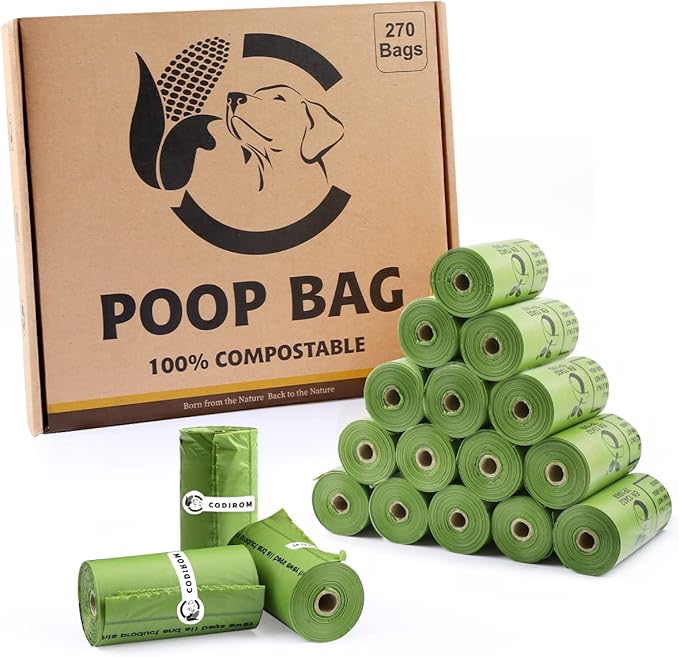
We all want the best for our pets, and that includes caring for the environment they play in. Sustainable poop bags are made from biodegradable materials like cornstarch, vegetable-based polymers, or recycled composites. They are designed to decompose naturally and reduce the long-lasting environmental footprint of conventional plastics. Let’s explore how these eco-friendly alternatives differ from traditional options:
Environmental Impact of Traditional Poop Bags
Traditional plastic bags, typically made from high-density polyethylene (HDPE), may seem convenient, but they bring several challenges:
- Non-Biodegradability: They can persist in landfills for centuries, slowly leaching harmful toxins into the soil and water.
- Wildlife Hazards: Their lingering presence can lead to accidental entanglement or ingestion by wildlife, posing serious risks.
- Resource-Intensive Production: Manufacturing these bags often relies heavily on fossil fuels, contributing to greenhouse gas emissions and accelerating climate change.
The Science Behind Biodegradable Materials
When you switch to sustainable poop bags, you’re choosing materials that harness natural biodegradation processes. Here’s what happens under the hood:
- Microbial Breakdown: Bio-based polymers are decomposed by microbes, converting waste into harmless natural compounds.
- Non-Toxic Components: These environmentally friendly materials are often free of harsh chemicals, ensuring no toxic residues harm the soil or water.
- Renewable Resource Utilization: Ingredients like cornstarch or sugarcane reduce dependency on fossil fuels and help lower overall greenhouse gas emissions.
This synergy between nature and science not only protects our environment but also creates healthier spaces for our pets to thrive.
Real-World Testing: A 5-Year-Old Golden Retriever’s Journey
I recently integrated sustainable poop bags into my daily routine with my energetic 5-year-old Golden Retriever, Max. This first-hand experience showcased several tangible benefits that underscore why pet owners should prioritize sustainable poop bags: a path to eco-friendly pet care.
- Durability & Performance: Despite Max’s enthusiastic leaps and playful antics, the biodegradable bags held up remarkably well – leak-proof and secure every time.
- Odor Control: I noticed that the bags had natural odor-masking qualities. Traditional plastic bags often trap smells, but these eco-friendly versions kept unpleasant odors at bay.
- Emotional Satisfaction: Witnessing a part of our waste naturally return to the earth was incredibly gratifying. It reassured me that every walk contributed positively to the environment.
This everyday encounter with Max reaffirmed that sustainable choices do not compromise functionality. They simply elevate our commitment to both pet care and environmental responsibility.
Expert Insights on the Environmental and Health Benefits
When evaluating products, understanding the environmental science behind them is crucial. Sustainable poop bags offer several proven benefits that make them an indispensable part of eco-friendly pet care:
- Enhanced Decomposition: Unlike conventional plastics that linger for decades, biodegradable materials break down naturally within months under the right conditions.
- Healthier Ecosystems: Reduced chemical residue means less risk of contamination for local wildlife, plants, and water bodies.
- Innovation Through Renewable Materials: Many sustainable bags are produced using renewable resources, encouraging eco-centric manufacturing practices and fostering green technology advancements.
For those curious about the intersection of pet health and environmental science, this link on pet health and the environment provides additional insights. It’s clear that every biodegradable choice for waste management supports a larger movement toward holistic pet care with a lower ecological footprint.
Environmental Science Behind Biodegradable Poop Bags
Let’s break down some of the key scientific concepts that make these products so effective:
- Decomposition Cycle: Bio-based polymers decompose via natural microbial activity, resulting in compounds that safely reintegrate with the earth.
- Toxicity-Free Technology: Engineered to avoid harmful additives, these bags ensure that once decomposed, harmful chemicals aren’t reintroduced into the ecosystem.
- Sustainable Inputs: Utilizing plant-based materials contributes to reduced reliance on non-renewable fossil fuels and supports a cyclic, environmentally friendly production process.
By reducing the chemical load on the environment, we promote better air and water quality and create sustainable, healthy conditions for all living organisms. This scientific foundation reinforces why pet owners should prioritize sustainable poop bags: a path to eco-friendly pet care that promotes a balanced coexistence between nature and technology.
How Traditional Poop Bags Affect Our Communities
Traditional plastics contribute to significant challenges within our communities. Consider these points:
- Persistent Waste Accumulation: Non-biodegradable bags pile up in landfills, straining our waste management systems and leading to long-term pollution.
- Impact on Local Fauna: Discarded bags in public spaces and parks often endanger local wildlife, from birds to small mammals, through ingestion or entanglement.
- Economic Burden: Municipalities bear heavy costs related to cleanup efforts and environmental remediation, costs that ultimately affect taxpayers.
Such impacts stress the importance of making smarter choices that benefit not only our immediate environment but also the broader community. Transitioning to sustainable alternatives can significantly lower these negative outcomes.
Benefits of Sustainable Poop Bags for Eco-Friendly Pet Care
The choice to incorporate sustainable poop bags into our daily walks and outings is more than a personal preference. It’s a multifaceted commitment to a cleaner, healthier planet. Here’s a detailed look at the advantages:
- Eco-Friendly Manufacturing:
- Lower reliance on fossil fuels during production
- Minimized emissions contribute to a healthier atmosphere
- Superior Waste Management:
- Accelerated decomposition under composting conditions
- Less accumulation in landfills reduces long-term environmental damage
- Enhanced Habitat Safety:
- Reduction in local toxicity means safer parks and water bodies
- Promotion of healthier ecosystems for wildlife to thrive
- Community and Economic Benefits:
- Decreased municipal waste management costs
- Increased support for local green initiatives and recycling programs
Every eco-friendly bag used is a deliberate choice to favor a sustainable future. Over time, these small decisions compound, producing a significant reduction in overall plastic waste. For additional information on eco-friendly pet practices, visit pet health and environment.
Step-by-Step Instructions for Transitioning to Sustainable Poop Bags
Embracing a new, sustainable product can feel daunting, but a systematic approach makes the transition smooth and manageable. Below is a practical roadmap for moving away from traditional plastics:
- Research:
- Review certifications like ASTM D6400 or EN 13432 on package labels to ensure proper biodegradability.
- Compare product reviews and user testimonials for insights into real-life performance.
- Test with a Starter Pack:
- Purchase a small supply to understand how the bags perform with your pet’s daily routine.
- Monitor durability and leak protection during walks.
- Learn the Science:
- Educate yourself about the biodegradation process and the benefits of non-toxic materials.
- Attend local environmental workshops or join online forums to exchange ideas about sustainable pet care.
- Integrate into Daily Routine:
- Keep a small stash in your car or purse so you’re always prepared on your pet walks.
- Make a conscious effort to choose eco-friendly options consistently.
- Spread the Word:
- Share your experiences with friends, family, and local pet groups.
- Encourage others by explaining the benefits and your positive outcomes.
Safety First:
- Always verify product certifications to ensure that bags meet recognized biodegradability standards.
- Follow local guidelines for waste disposal to maximize environmental benefits.
- Stay alert for any signs of irritation in your pet when exposed to new materials – although allergic reactions are rare.
- If uncertain about any aspect, consult with your veterinarian to ensure optimal pet health and safety.
Pros & Cons of Sustainable Versus Traditional Poop Bags
An informed decision is built on understanding both the advantages and challenges of eco-friendly options. Consider this balanced comparison:
- Pros of Sustainable Poop Bags:
- They are biodegradable and environmentally friendly.
- Made from renewable, non-toxic materials that are safe for nature and pet health.
- Support manufacturers who prioritize green, ethical production processes.
- Contribute positively to local waste management and cost-saving initiatives.
- Offer enhanced features such as improved odor control in some cases.
- Cons of Sustainable Poop Bags:
- Typically come at a slightly higher price point compared to traditional plastics.
- May require adherence to specific disposal methods (e.g., industrial composting).
- Availability can vary by location or retailer.
Holistic Lifestyle Tips for Eco-Friendly Pet Care
Embracing sustainable practices transcends the choice of poop bags. Here are additional tips to harmonize your pet’s lifestyle with environmental stewardship:
- Explore Low-Waste Pet Care: Delve into resources like pet health and environment for strategies on reducing daily waste.
- Select Non-Toxic Pet Products: From grooming supplies to toys, seek out natural, recycled, or non-toxic items that contribute to overall wellness.
- Minimize Single-Use Items: Opt for products designed for longevity or those that come in recyclable packaging.
- Engage Locally: Attend community events focused on sustainable living and pet care. These gatherings are a great way to learn and share experiences.
Incorporating these practices not only reduces your pet’s environmental footprint but also encourages broader community efforts toward sustainability.
Community Initiatives for a Greener Pet Lifestyle
Eco-friendly solutions are most effective when adopted on a community scale. Many local initiatives support environmentally conscious pet care:
- Eco-Conscious Dog Waste Stations: Public parks and neighborhoods are increasingly installing stations with biodegradable bag dispensers and clear disposal instructions, ensuring cleaner, safer spaces for everyone.
- Local Recycling and Composting Programs: These efforts allow communities to manage waste more sustainably, reducing landfill accumulation and recycling valuable organic material.
- Educational Workshops and Campaigns: Events on sustainable pet care provide hands-on learning and expert advice, empowering residents to make informed choices.
By taking part in and supporting these programs, each walk and clean-up event contributes to a larger cultural shift towards environmental responsibility and community health.
Real-Life Experience: Detailed Insights from Sustainable Poop Bag Adoption
Let me share a more detailed narrative from my journey with sustainable poop bags. A few months ago, during a routine walk with Max, my spirited 5-year-old Golden Retriever, I encountered a community-organized park cleanup event. The organizers were committed to reducing the reliance on single-use plastics, and they encouraged everyone to make the switch to compostable, biodegradable bags.
While using the sustainable bags, I actively compared them with my previous traditional plastic options:
- Strength and Durability: Even on uneven terrain and during bursts of play, the biodegradable bags performed reliably, with no signs of leakage or tearing.
- Ease of Use and Efficiency: The bags were user-friendly – designed with perforated sections that made disposal quick and hygienic. Integrating them into my daily walks required no extra effort, affirming their practical design.
- Emotional and Environmental Comfort: Each time I witnessed the bags decompose naturally, the process reinforced my commitment to the planet. There was immense satisfaction knowing that my actions were contributing to a sustainable cycle that benefits both nature and pet health.
These experiences instilled a renewed sense of purpose with every walk. Choosing sustainable alternatives not only supports environmental health but also aligns with the values of a conscientious, holistic approach to pet care.
Long-Term Benefits and Investments in a Greener Future
Investing in sustainable poop bags may come with a slightly higher upfront cost, but the long-term benefits far outweigh this minor expense. Here’s why this commitment is a smart investment in a greener future:
- Environmental Savings: Reducing plastic pollution can significantly decrease the burden on municipal waste management, saving local communities money on cleanup and remediation efforts.
- Health and Safety Improvements: With non-toxic, biodegradable materials, the risk of harmful chemical exposure in soil and water is minimized, creating safer and healthier environments for everyone – pets and people alike.
- Fostering Innovation in Green Technologies: Supporting products made from renewable resources motivates manufacturers to innovate further, leading to even better eco-friendly solutions in the future.
- Cumulative Ecological Impact: Every sustainable choice made today contributes to a gradual reduction in global plastic waste, setting the stage for long-lasting environmental improvements that will benefit future generations.
These benefits demonstrate that sustainable pet care isn’t a fleeting trend; it’s a deliberate, long-term investment in a healthier planet and a better quality of life for our communities.
Addressing Frequently Asked Questions
What makes sustainable poop bags different from traditional plastic bags?
Sustainable poop bags are crafted from biodegradable, plant-based materials that naturally decompose under proper conditions. They are free from toxic additives, ensuring they don’t harm the environment or local wildlife once discarded.
Are these bags strong enough for everyday use with active pets?
Yes, many eco-friendly options are engineered to be as durable and leak-proof as traditional plastic bags, offering reliable performance even during energetic play sessions and on demanding terrain.
How do sustainable bags break down, and what certifications should I look for?
These bags rely on natural microbial activity to break down naturally. Look for certifications such as ASTM D6400 or EN 13432, which indicate that the product meets accepted international standards for biodegradability.
Can biodegradable poop bags be composted at home?
Depending on your local waste management guidelines, some biodegradable bags can be processed in home or industrial composting systems. It’s best to check your community’s regulations to ensure they are disposed of correctly.
Where can I find more information on eco-friendly pet care practices?
For additional insights on sustainable pet care and non-toxic products, visit pet health and environment. This resource offers tips, guides, and expert advice to help you make informed decisions for your pet and the planet.
Practical Tips for Promoting Eco-Friendly Changes Among Pet Communities
Sharing your sustainable journey with your local pet community is one of the most effective ways to amplify the impact of eco-friendly practices. Here are some practical ways to get started:
- Initiate Conversations on Walks:
- Discuss the benefits of sustainable poop bags with fellow pet lovers during your daily walks.
- Share personal experiences and tangible improvements you’ve noticed with your pet’s routine.
- Host a Green Pet Meetup:
- Organize local gatherings where pet parents can exchange sustainable ideas and best practices.
- Feature eco-friendly products and offer informational handouts about biodegradable alternatives.
- Utilize Social Media:
- Share stories, photos, and practical tips about using sustainable products for pet care.
- Tag local pet groups and use relevant hashtags to reach a wider audience.
- Educate Through Workshops:
- Plan or attend educational sessions that focus on environmental impacts and sustainable innovations in pet care.
- Discuss the importance of non-toxic materials and biodegradable solutions in everyday pet products.
By engaging with your community and sharing your experiences, you can influence those around you to make low-impact choices that benefit the local ecosystem and animal well-being.
Final Thoughts: Embracing a Future of Eco-Friendly Pet Care
Choosing sustainable poop bags is not just about managing pet waste more effectively—it’s a holistic approach to pet care that intersects with environmental science, community health, and ethical consumerism. Every time you opt for a biodegradable bag, you’re casting a vote for a clean, sustainable future for our planet and the next generation of pet lovers.
We all play a role in this larger picture. By understanding the environmental benefits of reduced chemical waste and improved ecological conditions, we empower ourselves to make smarter, more responsible choices. Whether you’re walking your pet in local parks or taking part in community clean-up events, each small decision adds up to a significant collective impact.
Remember, it’s not merely about the convenience of a bag—it’s about integrating sustainable practices into a broader lifestyle that advocates for the health and safety of our pets as well as our environment. So next time you head out with Max or your own four-legged companion, consider the profound difference that a sustainable choice can make, reinforcing the notion that why pet owners should prioritize sustainable poop bags: a path to eco-friendly pet care is essential for preserving our world.
I encourage you to take the first step today. Try out sustainable options, join local initiatives, and share your journey with fellow pet enthusiasts. Together, we can build a future where eco-friendly practices become the norm, ensuring that our beloved pets and the environment share a healthier, more sustainable tomorrow.