Compostable Poop Bags And Their Role In Organic Waste Management: A Sustainable Choice for Pet Owners
Welcome! I’m excited to share my insights on why choosing compostable poop bags isn’t just a trend—it’s a practical, sustainable approach that integrates naturally with responsible organic waste management. In this article, I’ll explain how these bags work, why they’re essential for sustainability, and how they contribute to positive environmental and animal health outcomes. As we explore this topic together, you’ll see why these bags are a true win for your pet, the environment, and your community.
Discovering the Value of Compostable Poop Bags In Organic Waste Management
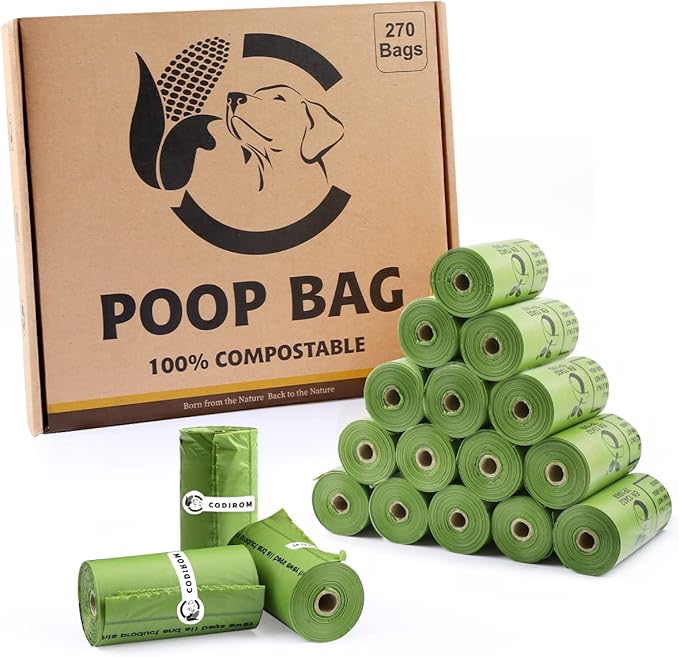
When I first encountered compostable poop bags, I quickly realized their transformative potential for organic waste management. Unlike conventional plastic bags that persist in our landfills for hundreds of years, these eco-friendly alternatives break down rapidly and safely when disposed of under suitable composting conditions. They are manufactured from renewable resources such as cornstarch and vegetable-based polymers, which means they have a much lower environmental footprint.
Key Benefits: Why Compostable Poop Bags Stand Out
- Rapid Biodegradation: Instead of lingering for centuries, these bags break down in months when composted correctly.
- Renewable Resources: Made from natural materials like cornstarch, they lessen our dependence on petroleum-based plastics.
- Nutrient-Rich Compost: When properly composted, the leftover material enriches soil, nurturing plant growth.
- Support for Local Sustainability: By choosing these bags, you encourage eco-friendly waste management efforts in your community.
This shift towards compostable waste solutions isn’t just good for the planet—it also aligns with the values of maintaining a non-toxic, sustainable lifestyle for our pets. For more tips on low-waste strategies, check out our guide on Low-Waste Pet Care and explore Non-Toxic Pet Products to keep your pet’s environment safe and healthy.
How Compostable Poop Bags And Their Role In Organic Waste Management Enhance Overall Sustainability
As someone deeply committed to both animal health and environmental stewardship, I started using compostable poop bags as a simple yet effective way to reduce my pet’s environmental impact. The switch from traditional plastic bags to compostable versions is a practical change that makes a noticeable difference. Let’s break down the process and explain why it works so well.
How They Work: The Science Behind Compostable Poop Bags
Unlike plastic bags that decompose into microplastics, compostable bags are engineered to break down completely into natural, non-toxic elements. Here’s how the process unfolds:
- Material Sourcing: The bags are produced from renewable ingredients like cornstarch and vegetable-based polymers.
- Biodegradation Process: When exposed to the right conditions—such as heat, moisture, and microbial activity—they decompose quickly, leaving behind organic matter that can nourish soil.
- Reduced Environmental Impact: Their production consumes less fossil fuel, reducing overall carbon emissions.
Pros & Cons of Compostable Poop Bags
- Pros:
- Eco-friendly materials help lower your environmental footprint.
- Rapid biodegradation minimizes long-term waste accumulation.
- They contribute to the nutrient cycle when composted properly.
- Reduce reliance on petroleum-based plastics.
- Cons:
- The bags require specific composting conditions to break down efficiently.
- Improper disposal (e.g., in a regular landfill) may delay decomposition.
- Not all municipal composting facilities accept pet waste, so proper research is crucial.
Real-World Testing: My Experience With a 5-Year-Old Golden Retriever
I’d like to share a personal story that truly illustrates the value of compostable poop bags. I have a lively 5-year-old Golden Retriever who loves our daily walks. Initially, I was skeptical about switching to compostable bags, worrying about their strength and reliability. However, after a few weeks of real-world testing, the results were clear:
Observations From Real-World Testing
- Durability & Leak-Proof Design: Even with the enthusiastic energy of my Golden Retriever, the bags held up well during long walks and vigorous play sessions.
- Ease of Use: The bags are user-friendly and comparable to traditional plastic bags in effectiveness, but far superior in environmental benefits.
- Positive Community Response: Friends and fellow pet parents noticed the change and appreciated the commitment to sustainable practices.
- Behavioral Impact: My dog showed no discomfort from the transition—a clear indication that the materials used are safe and non-toxic.
This trial run has convinced me that compostable poop bags are not only practical but also a genuine switch towards reducing our collective environmental impact.
Expert Insights on Biodegradability And Environmental Impact
Let’s dive deeper into the science and environmental benefits behind these bags. As a holistic veterinarian and sustainable pet lifestyle consultant, I rely on both experience and science when recommending products. Compostable poop bags are designed with environmental integrity in mind, ensuring that they decompose safely, without leaving harmful residues behind.
Understanding Biodegradability And Material Safety
- Material Composition:
- Natural polymers such as cornstarch and vegetable-based derivatives ensure low toxicity levels.
- These materials are selected for their ability to rapidly decompose under the right composting conditions.
- Environmental Impact:
- The absence of petroleum-based ingredients means a lower carbon footprint during production.
- Supports a circular system where waste transforms into nutrient-rich compost, contributing to soil health and plant growth.
Health Benefits For Your Pet
While the primary focus is on reducing our environmental footprint, it’s important to note that using non-toxic, eco-friendly products also benefits pet health. The chemical additives present in conventional plastics can sometimes be harmful. In contrast, compostable bags are free from these chemicals, making them a safer choice around your pet’s eating and play areas.
Step-by-Step Guide: Using And Disposing Compostable Poop Bags Correctly
To ensure that compostable poop bags fulfill their eco-friendly promise, it’s essential to use and dispose of them correctly. Here is my detailed, step-by-step guide:
Step-by-Step Instructions for Proper Use And Disposal
- Step 1: Choose The Right Bag: Look for bags with recognized certifications (such as ASTM D6400) to ensure effective biodegradability.
- Step 2: Handling Waste: Use the bag just as you would a traditional plastic bag—secure the waste and tie it up firmly.
- Step 3: Check Local Composting Guidelines: Familiarize yourself with your local municipality’s guidelines for composting pet waste. Some cities offer designated compost bins, while others may require you to transport the waste to a specific facility.
- Step 4: Local Composting Facilities: If community composting is available, deposit the waste carefully into designated bins. Ensure that the conditions for composting (adequate oxygen, moisture, and proper temperature) are met.
- Step 5: Home Composting Setup: If you have a home composting system that reaches the necessary temperatures (preferably hot composting conditions), you can safely add these bags to your compost pile.
- Step 6: When In Doubt, Trash It Correctly: If composting isn’t an option, dispose of the bag in the trash. Although this isn’t as ideal as composting, it’s still a better alternative to using non-biodegradable plastic bags.
Compostable Poop Bags And Their Role In Organic Waste Management: An In-Depth Comparison With Traditional Plastic Bags
It’s important to understand the stark contrast between compostable poop bags and traditional plastic alternatives. Let’s compare the two by looking at their life cycles and environmental impact.
Life Cycle Analysis: Key Differences
- Production:
- Traditional bags are derived from crude oil, consuming fossil fuels and resulting in a large carbon footprint.
- Compostable bags use natural, renewable resources such as cornstarch, which dramatically lowers the environmental impact right from the start.
- Usage:
- Both types serve the purpose of pet waste collection effectively, but compostable bags are specifically designed to perform without sacrificing environmental responsibility.
- They’re engineered to provide the same durability and flexibility as conventional bags.
- Disposal:
- Plastic bags remain in the environment for centuries, releasing microplastics that contaminate soil and water.
- Compostable bags, when processed under proper composting conditions, break down into non-toxic components and return essential nutrients to the soil.
- Long-Term Impact:
- Plastic bags contribute to the buildup of landfill waste and the generation of greenhouse gases like methane during anaerobic decomposition.
- Compostable bags help create a more sustainable waste loop by turning pet waste into useful fertilizer.
Addressing Common Concerns: FAQs About Compostable Poop Bags And Their Role In Organic Waste Management
Below are some frequently asked questions that I encounter, along with my honest answers:
Do compostable poop bags truly decompose in a landfill environment?
They require the proper composting conditions—such as adequate oxygen, heat, and moisture—to decompose efficiently. In a typical landfill, where these conditions aren’t met, the breakdown may be delayed.
How long does it typically take for a compostable bag to degrade?
Under industrial composting conditions, most certified bags degrade within 90 to 180 days, returning valuable organic matter to the soil.
Is it safe to compost these bags at home?
Home composting is possible if your system reaches high enough temperatures. It’s important to follow manufacturer recommendations and ensure that your compost pile is managed properly to maintain the necessary conditions.
Will the switch to compostable bags change my daily pet care routine?
Not at all. These bags are designed to be as effective as traditional options, so you won’t notice a change in convenience. You’ll simply be incorporating an eco-friendly alternative into your routine.
Why should I invest extra effort into proper disposal if compostable bags still require specific conditions?
Proper disposal is key to ensuring that the compostable material actually breaks down as intended. When disposed of correctly—whether through local composting facilities or a well-managed home compost system—they transform waste into nutrient-rich compost, closing the loop in organic waste management.
Innovations And Future Trends In Compostable Poop Bags And Organic Waste Management
Innovation in eco-friendly products isn’t staying static, and compostable poop bags are a great example of how advancements in material science and waste management practice can change our daily lives. Let’s take a closer look at some emerging trends:
Emerging Technologies And Sustainable Practices
- Biodegradable Waste Digesters: New on-site digestion systems use bacteria and enzymes to break down organic waste quickly, potentially reducing the reliance on municipal waste management systems.
- Smart Disposal Units: Urban areas are starting to implement smart bins that alert waste management services when they are full, ensuring that waste is removed and composted under optimal conditions.
- Subscription Deliveries: Some companies offer subscription models for delivering compostable bags directly to your doorstep. This not only simplifies the process but also encourages consistent sustainable practices among pet parents.
These innovations illustrate that our approach to organic waste management is evolving. Every small improvement in our daily routines—like choosing compostable bags—helps pave the way for broader, system-wide changes that benefit our communities and the environment.
Real-Life Success Stories And Community Impact
Another reason to embrace compostable poop bags is the real-life impact they can have. Many pet parents have shared stories of how switching to eco-friendly options has reduced landfill waste and supported local composting initiatives.
Personal Success And Community Benefits
- Community Engagement: By opting for compostable waste solutions, we support local waste management systems that prioritize sustainability.
- Positive Role Models: When neighbors and friends see a shift in behavior, they are motivated to find more environmentally friendly ways to manage pet waste.
- Visible Environmental Benefits: Communities that actively participate in sustainable practices often see improved local soil quality and reduced pollution in nearby water systems.
The impact extends far beyond individual choices—together we create a ripple effect that reinforces the importance of eco-friendly solutions. It’s all part of a sustainable lifestyle that focuses on reducing our collective environmental footprint while keeping our pets safe and thriving.
Compostable Poop Bags And Their Role In Organic Waste Management: A Glimpse Into Production and Material Science
Understanding the journey from raw materials to the finished compostable poop bag offers a deeper insight into their inherent sustainability. The production process is a testament to responsible manufacturing practices that minimize harm to the environment.
Behind the Scenes: Production Process Of Compostable Poop Bags
- Sourcing Renewable Materials: The process starts with natural ingredients such as cornstarch and vegetable-based polymers that replace fossil fuels as the primary raw materials.
- Blending With Organic Additives: These materials are blended with eco-friendly additives that promote faster biodegradation, ensuring the final product breaks down into harmless organic matter.
- Film Formation And Extrusion: The mixture is heated and extruded into thin films. These films are then processed to achieve the necessary flexibility and strength to handle daily use.
- Eco-Friendly Finishing Touches: Essential information, including composting certifications and usage recommendations, is printed on the bag using environmentally safe inks. Finally, the films are cut, sealed, and packaged for consumer use.
This sustainable production not only reduces the environmental impact during manufacturing but also ensures that once the bag has served its purpose, it can safely reintegrate into nature.
Step-By-Step Safety And Care Guidelines When Using Compostable Poop Bags
As with any eco-friendly solution, correct usage and disposal are critical to ensuring the benefits of compostable poop bags. Below are detailed, practical guidelines to help you integrate this solution into your daily routine safely and effectively.
Step-By-Step Instructions For The Best Use And Safety
- Inspect the Product: Before using, check the bag for proper certification (e.g., ASTM D6400) to ensure it meets compostable standards.
- Collect Waste Efficiently: Use the bag as you normally would when picking up pet waste, ensuring it is securely tied to prevent spills.
- Determine Your Disposal Method:
- If you have access to a local composting facility that accepts pet waste, deposit the bags there.
- If you manage a home compost system that reaches sufficient temperatures, add the bags into your compost pile.
- If composting isn’t an option, dispose of the bag in the trash—it’s still a better alternative to non-biodegradable plastics.
- Monitor Composting Conditions: Proper conditions (adequate temperature, moisture, and oxygen) are essential for effective decomposition. If you’re using a community or home system, ensure these conditions are met.
Compostable Poop Bags And Their Role In Organic Waste Management: A Sustainable Choice For Long-Term Environmental Health
When considering a switch to compostable poop bags, it’s vital to look at the long-term benefits they offer—not only for our immediate environments but for future generations. This sustainable choice fits perfectly into a larger commitment to organic waste management that values both immediate and cumulative impacts.
The Broader Impact On Our Ecosystem
- Soil Enrichment: Compostable waste that is properly processed turns into fertilizer, enriching the soil and supporting healthy ecosystems.
- Reduction In Greenhouse Gas Emissions: Unlike traditional plastic that can contribute to methane generation in landfills, compostable materials help prevent the release of greenhouse gases.
- Waste Reduction: By choosing compostable bags, you are taking a proactive step in reducing the volume of persistent waste that clogs our landfills and pollutes natural habitats.
This is more than just a product choice—it’s a commitment to a circular economy where every small action contributes to a healthier, more resilient environment.
Frequently Asked Questions About Compostable Poop Bags And Their Role In Organic Waste Management: A Sustainable Choice For Pet Owners
What makes compostable poop bags environmentally superior to plastic bags?
They are produced from renewable resources, decompose rapidly when composted correctly, and do not create microplastics, thereby reducing long-term environmental harm.
Can compostable poop bags coexist with other eco-friendly pet care products?
Absolutely! When combined with non-toxic pet products and low-waste practices, they form part of an integrated approach to sustainable pet care. For more ideas, check out Non-Toxic Pet Products.
How do compostable bags contribute to organic waste management?
They transform pet waste into a resource. Under proper composting conditions, they break down to enrich soil fertility and support a circular system of nutrient recycling.
What should I do if my compostable bag doesn’t decompose as