Sustainable Pet Ownership Tips: A Journey to Eco-Friendly Pet Care
Living a sustainable life isn’t just about reducing your own carbon footprint – it’s also about taking responsibility for our furry, feathered, and scaly companions. In my journey to incorporate more eco-friendly practices in pet care, I discovered that sustainable pet ownership tips have a profound impact on the environment, our wallets, and the health of our beloved pets. Through veterinary-backed studies, sustainable research, and real-life pet care practices, I’ve learned that sustainable choices make a real difference. In this comprehensive guide, I share a step-by-step approach, practical experiences, and expert advice on making sustainable pet ownership tips work for you.
Sustainable Pet Food Choices: Fueling Health and Green Living
When I first started looking for sustainable pet food, I felt overwhelmed by the choices. It wasn’t just about feeding my pet – it was about understanding exactly what went into making the food and how it influenced the environment. Research shows that pet food production significantly contributes to the carbon footprint. That’s why I switched to eco-friendly options that use sustainable practices. Below, I’ll share what I learned about selecting nutritious, environmentally responsible pet food.
Sustainable Pet Ownership Tips for Nutritious Pet Food
I discovered that a few solid guidelines help when choosing eco-friendly pet food:
- Check the Ingredients: Look for labels where real meat or fish is the primary ingredient. Avoid fillers and unnecessary additives.
- Prioritize Local & Organic: Many brands focus on locally-sourced ingredients, which significantly reduces transportation emissions.
- Eco-Packaging Matters: Some manufacturers have switched to recyclable or compostable packaging. These small changes help reduce landfill waste.
- Consider Bulk Purchases: Buying larger quantities reduces packaging and transportation impacts while saving money in the long run.
- Alternative Protein Options: If your veterinarian agrees, consider plant-based alternatives or even insect-based proteins, which require fewer resources.
These sustainable pet ownership tips not only support a healthier planet but also contribute to a healthier diet for my pet. By paying attention to guaranteed analysis and ensuring that protein and nutrient requirements are met, I’ve seen improvements in energy levels and coat quality.
Real-World Testing: A 5-Year-Old Golden Retriever’s Experience
Let me share a story from my personal experience. My 5-year-old Golden Retriever, Buddy, had some digestive issues that led me to explore eco-friendly, sustainably sourced pet food options. I switched him gradually over 10 days to a brand that used locally-sourced, organic ingredients and biodegradable packaging.
Step-by-Step Transition Instructions:
- Day 1-3: Mix 10% new food with 90% old food
- Day 4-6: Increase the new food to 50%
- Day 7-10: Transition fully to the new food
Within a few weeks, I noticed Buddy’s coat become shinier and his energy levels improved. His digestive upset subsided, making the change totally worth it. This real-world testing demonstrated that sustainable pet ownership tips aren’t a fad—they work in practice.
Pros & Cons of Switching to Sustainable Pet Food
- Pros:
- Lower environmental impact
- Higher nutritional value with local ingredients
- Reduced packaging waste
- Potential long-term health benefits
- Cons:
- Higher upfront costs sometimes
- Transition period may cause temporary digestive changes
- Limited availability in some regions
Sustainable Pet Ownership Tips: Managing Pet Waste Responsibly
Pet waste has long been one of the hidden challenges in everyday pet care. Traditional plastic bags and waste management practices are a burden on our environment and take hundreds of years to decompose. I turned to sustainable pet ownership tips that focus on proper waste management. Here’s how I tackled this issue using eco-friendly alternatives.
Eco-Friendly Waste Management Practices
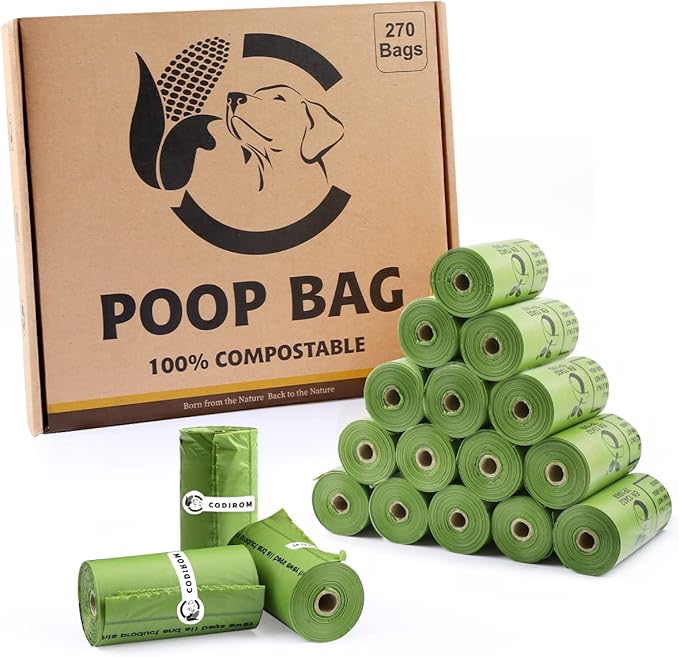
Instead of using plastic poop bags, I started using biodegradable bags made from plant-based materials like cornstarch. These bags break down naturally within months. By visiting GoEcoPaw’s low waste pet care section, I found more products that align with these sustainable pet ownership tips. Here’s what to consider:
- Switch to Biodegradable Bags: These bags decompose faster and reduce landfill waste.
- Reuse Old Materials: Consider repurposing newspapers or compostable materials for litter box waste.
- Set Up a Compost Area: If you have a yard, set up a designated, separate area for pet waste composting. (Remember: Never mix pet waste with human food compost!)
The simplicity of switching from plastic to biodegradable bags has been a game-changer in my household. I not only contribute to environmental sustainability but also teach others the importance of these small, effective changes.
Safety First Box
Sustainable Pet Ownership Tips: Selecting Eco-Friendly Toys and Supplies
Every item purchased for our pets—whether it’s a toy, a bed, or grooming products—plays a role in the overall environmental impact. My search for eco-friendly pet supplies led me to discover materials like natural rubber, sustainably harvested wood, and recycled fabrics. These sustainable pet ownership tips allow me to keep my pet happy while staying true to green practices.
Choosing Natural Materials and Non-Toxic Options
I quickly learned that durability is key when selecting pet toys and accessories. Here are some practical tips:
- Opt for Natural Materials: Look for toys made from natural rubber, sustainably sourced wood, or organic fabrics.
- Select Recyclable and Compostable Items: Products with minimal plastic components or those designed for recycling reduce persistent waste.
- Consider Second-Hand Options: Check out local resale shops or online marketplaces for gently used pet items. This supports the circular economy and lessens the environmental burden.
Choosing eco-friendly toys not only reduces waste but can also improve overall pet well-being. For example, switching to natural fiber bedding made from organic cotton or hemp can minimize chemical exposure and is gentler on my pet’s sensitive skin.
Pros & Cons: Eco-Friendly Pet Supplies
- Pros:
- Long-lasting and durable items
- Reduced exposure to toxins and chemicals
- Less environmental waste through sustainable production
- Often made by ethical companies
- Cons:
- Sometimes higher initial costs compared to conventional options
- Limited designs and variety in some local stores
- May require more careful cleaning to extend product life
Sustainable Pet Ownership Tips: Water and Energy Conservation in Pet Care
Reducing energy and water use around our homes benefits both the environment and our pets’ comfort. I embraced several sustainable pet ownership tips that focus on water and energy conservation. These changes not only lower monthly bills but also contribute to a greener home environment.
Smart Bathing Routines and Energy-Saving Practices
One simple change I made was adjusting my pet’s bathing schedule. Frequent baths can use significant amounts of water, and many pets do not need weekly washes. Here are my strategies:
- Bath When Necessary: Most pets only require baths when they’re dirty or after getting into something messy. For my pet, a monthly bath is plenty.
- Use Dry Shampoo in Between: Dry shampoo options help keep the coat clean without using water, preserving essential skin oils.
- Invest in Low-Flow Fixtures: Installing a low-flow showerhead can reduce water consumption during bath time.
- Maintain Pet Heating/Cooling Systems: Regularly clean filters and set temperatures to avoid energy waste.
- Switch to LED Lighting: In pet zones, using LED bulbs lowers energy use and costs over time.
These changes transformed my daily routines. Not only have they decreased utility bills, but they also ensured my pet stays comfortable in an environmentally friendly home.
Step-by-Step Energy Conservation Guide
- Evaluate Daily Usage: Monitor the areas where water and energy consumption is high.
- Identify Low-Usage Alternatives: Select methods that save resources (e.g., dry shampoo).
- Implement Changes Gradually: Begin by altering one routine (like pet bathing), then expand to lighting and HVAC systems.
- Track Savings: Maintain a log to see improvements and adjust services as needed.
Sustainable Pet Ownership Tips: Ethical Adoption and Breeding Practices
One of the most meaningful sustainable pet ownership tips involves making ethical choices about pet adoption and breeding. It matters greatly whether a pet finds a home through rescue or comes from a high-volume breeding operation. By prioritizing ethics, we can reduce environmental impacts and improve overall animal welfare.
Rescue, Adoption, and Sustainable Breeding
After much reflection and research, I decided that adopting a pet from a rescue organization was the best ecological and humane choice. Here’s what I learned:
- Adopt First: Choose shelters or rescue organizations to give a pet a second chance. This reduces the demand for commercial breeding facilities.
- Research Ethical Breeders: If a specific breed is needed, ensure the breeder practices sustainable methods by asking detailed questions about animal welfare and environmental practices.
- Benefits for the Environment: Rescue pets often come pre-vaccinated and spayed/neutered, which minimizes unnecessary resource use.
Choosing to adopt saved resources, reduced landfill waste from breeding operations, and ensured that my pet received the care needed from the start.
FAQs About Ethical Pet Adoption and Breeding
What are the benefits of adopting a pet?
Adoption saves lives, reduces breeding pressure, and often means that the pet comes with essential healthcare that both protects them and lessens environmental resource consumption.
How do I know if a breeder is ethical?
Look for transparency in sourcing, ask about breeding conditions, and check for certifications that indicate humane and sustainable practices.
Sustainable Pet Ownership Tips: Smart Shopping for a Greener Future
Every shopping decision carries weight when it comes to supporting sustainable practices around pet care. I began to notice that carefully selecting products not only provided quality for my pet but also contributed significantly to environmental protection. In this section, I’ll share how I transformed my shopping habits to include sustainable pet ownership tips that go beyond the basics.
Understanding the Environmental Impact of Your Purchases
Even the smallest item—from food packaging to toys—has an environmental cost. Here’s what I considered when shopping:
- Examine Packaging: Choose products with low or recyclable packaging to minimize landfill waste.
- Local vs. Overseas: Look for items produced domestically to reduce the carbon cost of transportation.
- Eco-Friendly Certifications: Products that display certifications like “sustainably sourced” or “eco-friendly packaging” have undergone external verification.
These sustainable pet ownership tips taught me that smart shopping is a powerful way to reduce both my pet’s and my household’s carbon footprint.
Smart Toy and Supply Selection for Lower Carbon Footprint
Here are some actionable ideas for lower carbon impact:
- Invest in Durable Toys: Items that last longer reduce the need for frequent replacements.
- Second-Hand Finds: Platforms for pre-owned pet supplies can yield great deals while extending the life cycle of useful products.
- Bulk Buying: Purchasing essentials in higher quantities cuts down on packaging waste and minimizes delivery trips.
Making these changes was eye-opening. I began to appreciate that every small decision, when repeated by many, can drive profound market transformation.
Pros & Cons: Sustainable Shopping Habits
- Pros:
- Lower overall carbon footprint
- Support for ethical and sustainable companies
- Long-term savings through bulk purchases
- Encouraging a circular economy with second-hand options
- Cons:
- May require more research and planning
- Potentially higher upfront costs
- Limited availability of some sustainable products in local stores
Sustainable Pet Ownership Tips: Creating a Green Home Environment
Our living spaces play an essential role in promoting both pet health and sustainability. When I set out to create a green home environment, I re-evaluated everything—from cleaning supplies to pet furniture. Sustainable pet ownership tips include choosing non-toxic products, improving indoor air quality, and optimizing energy use in our homes.
Choosing Eco-Friendly Pet Supplies for a Healthy Home
I made it a point to select sustainable pet accessories that are both stylish and environmentally sound. Here’s what guided my choices:
- Natural Cleaning Products: I switched from chemical-laden cleaners to solutions made from vinegar, water, and baking soda to protect indoor air quality.
- Pet-Safe Houseplants: Adding non-toxic plants like spider plants and Boston ferns not only freshens the air but creates a vibrant living space. (Always avoid plants toxic to pets, such as lilies or oleander.)
- Organic Bedding & Furniture: Beds and fabrics made from organic cotton or recycled materials are gentle on the environment and reduce chemical exposure.
These choices help boost indoor air quality and lower exposure to harmful chemicals. They also show that every aspect of our homes can contribute to sustainability.
Step-by-Step Instructions for a Greener Home
- Audit Your Home: Identify high-energy appliances, toxic cleaning products, and non-sustainable materials.
- Replace One Item at a Time: Start with the highest impact changes, such as switching to LED lighting and switching to biodegradable cleaning supplies.
- Implement Natural Solutions: Use houseplants and natural airflow to improve indoor air quality.
- Track Improvements: Monitor energy bills, indoor air quality, and pet health to see what works best.
Safety First Box
Sustainable Pet Ownership Tips: Supporting Ethical Companies and Industry Standards
I believe that consumer choices have the power to shape industry practices. By supporting brands with clear sustainability commitments, we help drive the market toward more ethical and eco-friendly products. These sustainable pet ownership tips extend beyond just choosing products – they’re about advocating for responsible practices in the pet care industry.
Evaluating Company Practices and Transparency
Before purchasing a product, I dive into the company’s background. Here’s the checklist that I follow:
- Research the Company Website: Look for detailed information on sourcing practices, packaging methods, and production processes.
- Certifications: Check whether the company holds any recognized certifications for sustainability or ethical animal treatment.
- Third-Party Testing: Products that have undergone independent quality testing tend to be more trustworthy.
- Transparency in Manufacturing: Companies that openly share their efforts to reduce environmental impact are usually the best choices.
I often guide others to GoEcoPaw’s low waste pet care page, where you can find more information on products that align with these values.
Real-Life Benefits Through Sustainability
For me, choosing sustainable pet ownership tips has translated into tangible benefits:
- Improved health markers in my pet, Buddy
- Reduction in overall pet care expenses over time
- A calmer, chemical-free home environment
- Peace of mind knowing that our choices benefit the planet
This journey is not just about what we buy—it’s about creating a community that values ethical pet care and eco-friendly practices.
Sustainable Pet Ownership Tips: Real-World Success Stories and Takeaways
I’ve spoken with several fellow pet parents who have embraced these eco-friendly practices, and each one has a unique story that reinforces the importance of sustainable pet ownership tips. One friend replaced her pet’s plastic toys with those made from reclaimed materials and noticed her pet was less anxious and more playful. Another friend’s transition to biodegradable waste management saved hundreds of plastic bags from ending up in the environment each year.
These relatable anecdotes reinforce that implementing sustainable pet ownership tips can yield benefits both for the environment and for our pets’ emotional and physical health.
FAQs About Sustainable Pet Ownership Tips
What exactly are sustainable pet ownership tips?
They are practical strategies for taking care of your pet in a way that minimizes environmental impact. This includes choosing eco-friendly food, ensuring proper waste management, and buying sustainable supplies.
How do I know if an eco-friendly pet product really works?
Look for transparency from the company behind the product, check reviews, and consider testing a small amount of the product to monitor how your pet responds. Real-world testing, like my experience with Buddy, can be very helpful.
Can eco-friendly pet care be expensive?
Although some sustainable options may have a higher upfront cost, they often result in long-term savings through bulk buying, reduced waste, and improved health that can lower