
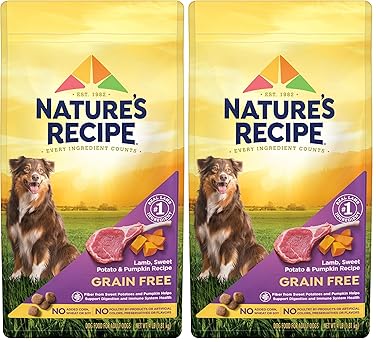
Sustainable Sourcing In Pet Food Industry: A New Era for Our Furry Friends
In my years of working with holistic animal care and sustainable pet lifestyles, I’ve seen a major shift in how we feed our loyal companions. Every day, I hear from pet parents looking not only for nutrition that supports their pets’ health but also for products that are environmentally conscious. This article is dedicated to exploring Sustainable Sourcing In Pet Food Industry, a subject that is not just trendy—it’s a necessity for the future and the planet.
I believe that every product we choose should benefit our pets, protect our environment, and promote ethical practices. I’m here to break down what sustainable sourcing means for pet food, why it matters, and how companies are transforming their operations to be more environmentally friendly. Let’s dive deep into this conversation using plain language, relatable stories, and actionable advice.
Sustainable Sourcing In Pet Food Industry: Understanding the Basics
To start, sustainable sourcing in the pet food industry means obtaining ingredients in ways that protect natural resources, support ethical practices, and promote long-term viability in food production systems. This approach is not just about switching out one ingredient for another—it’s an entire shift in the way companies work with farmers, suppliers, and even distributors.
Here are some key components:
- Ethical Ingredient Procurement: Working only with suppliers who adhere to humane and environmentally responsible practices.
- Reduced Environmental Impact: Choosing ingredients that require less water, energy, and land while reducing greenhouse gas emissions.
- Transparency in the Supply Chain: Companies now provide detailed tracking from the farm to your pet’s bowl, often using modern technologies like blockchain for complete transparency.
- Innovation in Ingredients: Exploring alternative proteins including insect-based, plant-based, and even algae-derived proteins to offer a balanced, nutritious diet.
By shifting to sustainable sourcing in pet food industry, manufacturers reduce their carbon footprint, support local economies, and ensure that our pets are provided with nutritionally balanced meals that come with fewer ethical or ecological compromises.
Sustainable Sourcing In Pet Food Industry: The Environmental Impact of Traditional Production
Conventional pet food production practices have long relied on methods that caregivers and environmental advocates find troubling. Over time, intensive farming, large-scale meat production, and outdated supply chain infrastructures have shown a pattern of environmental neglect.
Resource Consumption and Environmental Costs
Traditional pet food manufacturing is resource-intense. To highlight a few concerns, consider the following points:
- High Water Usage: Conventional agriculture and animal farming require vast amounts of water, resulting in the depletion of essential water resources.
- Energy-Intensive Production: Manufacturing facilities consume high levels of fossil fuels to process ingredients, contributing significantly to carbon emissions.
- Land Degradation: Monoculture farming and over-reliance on chemical fertilizers and pesticides diminish soil quality, cause deforestation, and threaten biodiversity.
When you think about the lifecycle of a bag of typical pet food, the energy used in transportation, refrigerated storage, and even packaging becomes quite staggering. Even the packaging materials—often single-use plastics—add to the waste streams that persist in landfill sites for decades.
Sustainable Sourcing In Pet Food Industry: Why Change is Essential
The environmental costs outlined above have led many in the pet care community to demand better. Sustainable sourcing in pet food industry is not a fleeting trend—it responds directly to the need for methods that are kinder to our environment and more ethical in nature.
By partnering with ethically certified suppliers, companies can mitigate these issues, using innovative approaches and alternative proteins to shift away from traditional, damaging practices.
Sustainable Sourcing In Pet Food Industry: Innovations Changing the Landscape
The pet food industry is embracing innovation to overcome long-standing environmental and ethical challenges. Today, manufacturers integrate several ground-breaking approaches that not only support the wellbeing of our pets but also protect the planet.
Alternative Proteins: A Game Changer
Proteins form the backbone of nutritious pet diets. Historically, meat sources have dominated pet food formulations, but now companies are experimenting with alternatives that have a smaller environmental footprint.
Some innovative protein sources include:
- Insect-Based Proteins: Insects like crickets and mealworms convert feed to protein at an incredibly efficient rate, using far less water and land compared to traditional livestock.
- Plant-Based Proteins: Ingredients such as peas, lentils, and chickpeas are now blended to ensure that the pet’s diet remains balanced while reducing reliance on conventional meat.
- Algae and Seaweed: These ingredients are rich in omega-3 fatty acids and other nutrients without necessitating the environmental ramifications of fish farming.
These alternatives not only contribute to sustainability but also foster biodiverse agricultural practices. By incorporating these ingredients into pet formulas, companies improve the health profile of their products while lowering the environmental cost.
Urban and Vertical Farming Techniques
Cutting-edge methods like vertical farming allow for controlled environment agriculture with the following benefits:
- Efficient Water Use: Vertical farms typically use hydroponic or aeroponic systems that reduce water waste significantly.
- No Pesticide Dependency: The controlled settings minimize or eliminate the need for harmful pesticides, thus protecting both the soil and water quality.
- Reduced Transportation Needs: Locally grown ingredients lessen the carbon emissions associated with long-distance transportation.
Such innovative practices are central to ensuring that sustainable sourcing in pet food industry is not just a theoretical ideal, but a tangible, practical approach that transforms production and distribution.
Sustainable Sourcing In Pet Food Industry: Real-World Testing and Experience
I’d like to share a real-world testing story featuring Rocky, my energetic 5-year-old Golden Retriever. Rocky has been part of my journey into sustainable pet care for over a year now, and the changes in his energy, coat quality, and overall health have been remarkable.
After switching to a pet food brand that emphasizes sustainable sourcing in pet food industry, I monitored his progress meticulously. Here’s what I observed:
- Increased Vitality: Within a few weeks, Rocky’s energy levels were noticeably higher. His playful demeanor returned, and his walks became more enthusiastic.
- Improved Coat and Skin: His coat became shinier and softer, which I attribute to the richer nutrient profile of ethically sourced ingredients and cleaner production practices.
- Better Digestion: Rocky’s digestive issues, which were once a recurring problem, improved significantly. This change validated the approach of using non-toxic, eco-friendly ingredients.
Rocky’s journey mirrors a growing sentiment among those who care deeply for their pets and the planet. When you see real-life improvements in a pet’s health, it strengthens the case for adopting sustainable practices across the board.
Sustainable Sourcing In Pet Food Industry: Pros & Cons
Like any transformational change, sustainable sourcing in the pet food industry comes with both advantages and challenges. Here’s a straightforward breakdown:
- Pros:
- Enhances pet health with nutrient-rich, clean ingredients.
- Reduces environmental footprint by lowering greenhouse gas emissions and conserving water.
- Supports ethical farming practices that enhance animal welfare.
- Promotes local economies and reduces dependency on long supply chains.
- Encourages innovation in ingredient sourcing and product development.
- Cons:
- Higher production costs may result in increased retail prices.
- Scaling sustainable practices to meet growing demand requires significant investment and coordination.
- Complex supply chain monitoring and certification processes add operational challenges.
- Consumer awareness is still growing, so market penetration may be slow in some regions.
Sustainable Sourcing In Pet Food Industry: Step-by-Step Guide to Making Informed Choices
Transitioning to sustainable pet food products might seem daunting, but I’ve broken down some simple steps that can guide you along the way:
- Read the Label: Always check for transparent sourcing information. Look for details on ingredient origins and any sustainability certifications.
- Do Your Research: Visit company websites for sustainability reports and read reviews from other pet parents. For instance, if you’re curious about eco-friendly dog waste management, check out this resource.
- Ask Questions: Contact manufacturers directly. Inquire how they ensure ethical sourcing, what farming practices are used, and how they handle waste.
- Consider Local Options: Support regional suppliers when possible. A shorter supply chain not only reduces carbon emissions but also strengthens local agricultural practices.
- Compare Certifications: Look for recognized environmental or ethical certifications. They provide an extra layer of trust in the product’s claims.
- Monitor Your Pet’s Response: When switching foods, pay attention to changes in energy level, digestion, and coat quality. Document these observations to see the benefits over time.
Safety First
Before transitioning your pet to a new diet, consult your veterinarian, especially if your pet has underlying health issues. Monitor for any allergic reactions, digestive disturbances, or unusual behavior. Introduce any dietary change slowly over a period of 7-10 days to prevent gastrointestinal upset.
Sustainable Sourcing In Pet Food Industry: Environmental and Health Benefits Explored
The dual benefit of newly adopted sustainable sourcing practices in pet food is extraordinary. Beyond the ethical appeal, the environmental advantages are measurable:
- Biodegradability: Products designed with biodegradable components reduce the waste footprint significantly.
- Non-Toxic Materials: Cleaner production methods eliminate the use of artificial additives and harmful chemicals, ensuring that waste products do not harm local ecosystems.
- Animal Health Benefits: Healthier ingredients mean improved immunity, better digestion, and enhanced energy levels in pets.
At the molecular level, choosing ingredients free from synthetic pesticides and preservatives means lower levels of toxins in your pet’s system. Additionally, sustainable farming practices contribute to higher nutrient density, which supports the overall vitality of our furry friends. In my practice, I have seen pets flourish when their diets are rooted in sustainability.
Sustainable Sourcing In Pet Food Industry: The Role of Transparency and Certification
It is essential to trust that every ingredient in your pet’s food has been responsibly sourced. The trend towards transparency allows companies to share their journey from the farm to the bowl. Here are critical points for ensuring trust:
- Supplier Audits: Companies conduct regular audits to ensure that ethical and environmental standards are upheld throughout the supply chain.
- Blockchain and Digital Tracing: These tools are increasingly used to provide clear records of each ingredient’s path through the supply chain.
- Third-Party Certifications: Certifications help verify that a product truly meets established sustainability guidelines. Look for certificates that verify humane animal treatment, low pesticide usage, and environmentally friendly production methods.
Sustainable Sourcing In Pet Food Industry: Real-Life Stories and Relatable Examples
Let me share another real-life example. A close friend recently switched her dog’s food to a brand that prides itself on sustainable sourcing. She was initially skeptical about the higher cost but soon noticed not only a visible improvement in her dog’s coat but also in his energy and digestive comfort.
Here are some relatable outcomes that many see when adapting to sustainable options:
- More Energy and Playfulness: Pets often become livelier and exhibit enhanced overall health.
- Improved Coat Texture: A healthier coat is a direct indicator of quality nutrition.
- Reduced Allergies and Digestive Issues: Clean, non-toxic ingredients can minimize allergy flare-ups and gastrointestinal discomfort.
Sustainable Sourcing In Pet Food Industry: Addressing Consumer Questions
I frequently get questions from pet parents trying to assess the real value behind sustainable sourcing practices. Below, you’ll find some frequently asked questions and transparent answers:
What does sustainable sourcing mean for pet food ingredients?
It means obtaining ingredients through farming practices that maintain ecosystem balance, use fewer chemicals, require less water, and ensure ethical treatment of livestock.
Is sustainable pet food more expensive?
Often, yes. The higher costs usually reflect the premium placed on ethical production and high-quality, nutrient-dense ingredients. However, the long-term benefits for your pet’s health and the environment can outweigh these costs.
How can I be sure the branding is truthful and not just marketing hype?
Look for third-party certifications and transparent supply chain information posted on the brands’ websites. Detailed sustainability reports and traceability information are good indicators of authenticity.
Will switching food to a sustainable brand upset my pet’s digestive system?
A gradual transition is recommended. Introduce the new food slowly over 7-10 days to avoid digestive upset, and consult your veterinarian if you have concerns.
Where can I learn more about sustainable practices for pet products?
Many online resources are available. For instance, if you want to understand more about eco-friendly product practices like dog waste management, check out Eco Paw’s guide on eco-friendly dog waste.
Sustainable Sourcing In Pet Food Industry: Future Innovations and Challenges
Looking ahead, the future of sustainable sourcing in pet food is both promising and challenging. I believe that the continued drive toward more ethical and transparent practices will reshape the entire industry. However, we face some hurdles:
- Cost Efficiency: The price gap between conventionally produced pet food and sustainably sourced alternatives remains one of the biggest challenges. Continued innovation and increased demand will hopefully bring costs down over time.
- Scalability: Scaling production of sustainable ingredients to meet global demand requires significant investments and improved supply chain infrastructure.
- Regulatory Standards: Consistent, global standards need to be developed to help avoid confusion in certification and ensure fair comparisons across brands.
- Consumer Awareness: Educating the community about exactly what sustainable sourcing entails is crucial. As more people understand the benefits, market demand will create further impetus for change.
Sustainable Sourcing In Pet Food Industry: The Role of Regulation and Global Standards
Governments and independent organizations play a critical role in shaping the future of sustainable sourcing. By developing global standards and strict regulations:
- We can ensure that sustainable practices are not just a niche market but become the industry norm.
- Clear guidelines help reduce greenwashing and protect consumers from misleading claims.
- Standard regulations level the playing field among manufacturers, regardless of size.
Staying informed about these regulatory developments will empower us to make better, more informed decisions when choosing pet food products.
Sustainable Sourcing In Pet Food Industry: Embracing a Holistic, Future-Focused Approach
My approach to holistic pet care is deeply intertwined with sustainable sourcing. Every meal, ingredient, and supplier relationship is part of an ecosystem that supports the health of our pets and the well-being of our planet.
I encourage everyone to consider the cascading benefits:
- Environmental Sustainability: Lower water consumption, better land usage, and reduced carbon footprints.
- Animal Welfare: Ethical farming practices that prevent cruelty and improve living conditions for production animals.
- Nutritional Superiority: Ingredients sourced through sustainable means tend to be richer in natural nutrients and less laden with harmful chemicals.
Making the switch to sustainably sourced pet food isn’t just a purchase—it’s a commitment to a healthier future for the entire ecosystem, from the smallest microbe in the soil to the largest animal roaming our planet.
Sustainable Sourcing In Pet Food Industry: Personal Reflections and Lessons Learned
Over time, I’ve witnessed stark differences in pet health and environmental outcomes where sustainable practices have been adopted. Every time I speak with pet parents who have transitioned to eco-friendly pet foods, I’m reminded that small, thoughtful changes can have a big impact.
I recall a conference where a leading sustainable pet food manufacturer detailed their process—from selecting organic ingredients and supporting small-scale ethical farms to embracing technology that tracks each ingredient meticulously. Their commitment was not just about profit—it was about legacy, both on Earth and through the pets that depend on us.
In my everyday practice, I stress that sustainability isn






