Eco-friendly Alternatives To Traditional Pet Waste Bags: A Comprehensive Guide for Conscious Pet Owners
Hello, fellow eco-conscious pet lovers! I’m excited to share my in-depth journey into eco-friendly alternatives to traditional pet waste bags: a comprehensive guide for conscious pet owners. As someone deeply invested in both the health of my pet and our environment, I realized that even something as seemingly insignificant as a pet waste bag has a profound impact on nature. Over time, my exploration of sustainable options has transformed my daily walks into opportunities to support a greener future.
Why Eco-friendly Alternatives To Traditional Pet Waste Bags Matter
Each time I head out with my furry companion, I think about the legacy I want to leave behind—not only for my pet but also for the world we share. Traditional plastic bags, although convenient and ubiquitous, have a hidden price tag: they contribute to persistent environmental waste, elevate our carbon footprint, and pose serious hazards to wildlife and ecosystems. This motivated me to explore alternatives that are both practical and planet-friendly.
Unveiling the Environmental Impact
The first step in my journey was understanding the true toll of traditional pet waste bags:
- Long-Term Persistence: Regular plastic bags can linger in landfills and nature for hundreds of years.
- Wildlife Threats: Discarded plastics can end up in water bodies, endangering animals through entanglement and ingestion.
- High Energy Consumption: Producing these bags relies heavily on fossil fuels, contributing to increased pollution and resource depletion.
These insights ignited my desire to find more responsible options that reduce our cumulative environmental impact while meeting everyday needs.
Exploring Sustainable Alternatives To Traditional Pet Waste Bags
After extensive research and testing, I discovered several eco-friendly alternatives that go beyond merely picking up pet waste—they actively contribute to environmental regeneration. In this guide, I’ll walk you through a variety of solutions that are functional, sustainable, and surprisingly convenient.
1. Compostable Bags: Embracing A Circular Economy
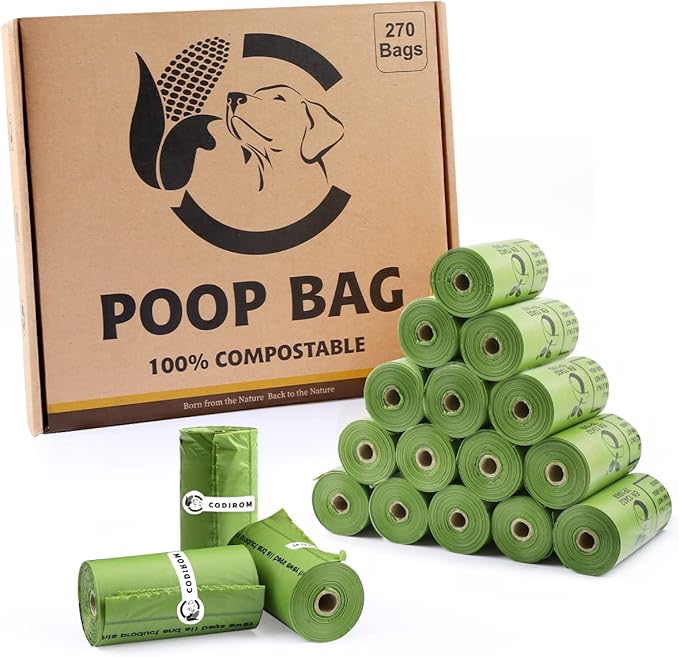
Compostable bags have become my go-to for reducing plastic waste. Made from renewable, plant-based ingredients like cornstarch and sugarcane, these bags decompose naturally under the right conditions.
- How They Work: When placed in a compost facility or appropriate composting conditions at home, these bags break down within a few months, returning essential nutrients to the soil.
- Key Certifications: Look for certifications such as ASTM D6400 or EN 13432 to ensure that the bags are truly compostable.
- My Experience: I transitioned to compostable bags for my daily walks, feeling rewarded with the knowledge that each bag contributes to restoring the earth’s fertility.
This alternative isn’t just about waste reduction; it helps close the loop in a circular economy, where waste is transformed back into nourishing resources.
2. Biodegradable Bags: Breaking Down The Problem
Biodegradable bags offer a similar promise by disintegrating more rapidly than traditional plastics. They often incorporate natural additives that accelerate their breakdown in natural settings.
- Environmental Benefits: These bags fragment much quicker than conventional plastic, reducing long-term environmental damage.
- Usage Tips: Although they may not yield nutrient-rich compost, their faster decomposition means they’re less likely to contribute to persistent landfill waste.
- Real-World Impact: Friends and I have noticed that choosing biodegradable options results in clearer local waterways and healthier urban wildlife.
3. Paper Bags: A Surprisingly Effective Option
It might seem unusual, but paper bags can be repurposed effectively for pet waste management when used correctly. They offer an eco-friendly twist by being compostable and recyclable.
- Advantages: When maintained in dry and clean conditions, paper bags can be reused several times, further reducing waste and reliance on plastics.
- Key Considerations: Ensure that the paper hasn’t been chemically treated—this is crucial for maintaining the integrity of your composting or recycling process.
- My Story: On a recent camping trip, I experimented with paper bags. Although they aren’t ideal for every situation, they proved to be a handy and sustainable backup during favorable weather conditions.
4. Flushable Bags: Convenience Meets Sustainable Disposal
Flushable bags are designed to be disposed of via your toilet, where they break down in water systems. This option is particularly appealing for those seeking convenience without sacrificing sustainability.
- Check Local Guidelines: Before using flushable bags, verify that your plumbing and local regulations support their safe usage.
- Eco-Friendly Claim: When flushed appropriately, these bags offer a responsible disposal method while maintaining convenience.
- My Experience: On one hectic day, I used flushable bags and appreciated the sheer ease of disposal—provided I ensured compatibility with my plumbing system first.
5. Reusable Containers: An Innovative Waste-Reduction Strategy
For those looking to minimize waste at its core, reusable containers represent an innovative solution. After a simple rinse, these containers can be used repeatedly, drastically reducing the recurring use of disposable bags.
- Cost Savings Over Time: Investing in reusable containers saves money in the long run by eliminating the constant need for disposable bags.
- Durability and Design: Look for leak-proof, easy-to-clean models crafted specifically to manage pet waste effectively.
- My Take: Switching to reusable containers has not only sparked engaging conversations among like-minded pet parents but has also reinforced my commitment to reducing environmental waste.
Real-world Benefits of Using Eco-friendly Alternatives To Traditional Pet Waste Bags
Shifting to eco-friendly pet waste management offers tangible benefits beyond environmental sustainability. Here are some compelling advantages observed through personal experience and community feedback:
- Reduced Environmental Footprint: Compostable and biodegradable bags help ease landfill pressures and reduce persistent pollution.
- Enhanced Wildlife Safety: With fewer plastics and chemicals in nature, local wildlife faces diminished risks such as ingestion or entanglement.
- Support for Renewable Resources: Choosing plant-based alternatives increases demand for renewable raw materials and diminishes reliance on fossil fuels.
- A Healthier Home and Community: A reduction in chemical exposure creates a safer, cleaner environment for both pets and their families.
For additional insights on eco-conscious pet care, check out the resources available at Low Waste Pet Care and explore more tips on non-toxic products at Non-Toxic Pet Products.
Understanding The Broader Environmental Impact Of Pet Waste
It’s important to recognize that improper pet waste disposal can lead to extensive environmental repercussions. This section dives deep into understanding the cascading effects of neglecting proper waste management.
The Hidden Costs Of Improper Disposal
Improper pet waste disposal goes far beyond unsightly sidewalks—it poses significant risks to our natural ecosystems. Consider these key hazards:
- Water Contamination: Pet waste that enters storm drains can leach into rivers, lakes, and even compromise drinking water quality.
- Nutrient Overload: Excessive nutrients like nitrogen and phosphorus can trigger harmful algal blooms that devastate aquatic environments.
- Soil Imbalance: Waste residue can alter soil pH balance, disrupting local ecosystems and damaging native plant life.
Hazardous Materials in Pet Waste And Their Impact
In some cases, pet waste may harbor substances that intensify environmental risks. Here are a few factors to consider:
- Medication Residues: Pets on medications may pass active substances in their waste which, if not disposed of properly, can contribute to environmental contamination.
- Parasites and Pathogens: Dangerous organisms, such as roundworms, can reside in waste, posing health risks to both animals and humans.
- Heavy Metals Exposure: Toxins accumulated in a pet’s body could appear in waste, further deteriorating soil and water quality.
Reflecting on these challenges reminds me that every small decision—like choosing an eco-friendly bag—can collectively stave off significant global issues.
Practical Eco-Friendly Practices For Pet Waste Management
Beyond upgrading the type of bag you use, incorporating a few simple practices can enhance your overall pet waste management strategy:
- Opt for Biodegradable or Compostable Bags: Switching out conventional plastics for sustainable options can significantly lower environmental harm.
- Create a Pet Waste Processing Pit: If you have space at home, consider designating an outdoor area with biodegradable liners for natural breakdown of pet waste.
- Follow Proper Disposal Methods: Always dispose of pet waste in designated bins or compost systems as recommended by local guidelines.
Every small change counts. Intermittently mixing eco-friendly practices with everyday convenience can lead to a substantial positive impact on our shared environment.
Real-World Testing: A Personal Story with a 5-Year-Old Golden Retriever
Let me share a personal story that truly cemented my commitment to sustainable pet care. My 5-year-old Golden Retriever, Max, has always been an energetic companion. Recently, after switching to eco-friendly pet waste bags, I observed noticeable differences in our daily walk experience:
- Behavioral Change: Max seemed more curious and interactive during walks when we changed our routine. While he isn’t directly aware of the change in bag type, the smoother, less waste-burdened process meant less stress for both of us.
- Environmental Feedback: I started noticing cleaner neighborhood spots and reduced litter accumulation, which made outdoor areas more enjoyable for both humans and animals alike.
- Community Impact: Fellow walkers complimented the new eco-friendly approach, leading to several conversations about sustainable pet care practices.
This real-world testing reinforced that sustainable choices not only benefit the environment but also enhance our everyday quality of life.
Innovative Designs in Sustainable Pet Waste Solutions
Innovation never stops—even in mundane routines like pet waste disposal. Recent breakthroughs in sustainable bag design have introduced products that are both practical and significantly better for the environment. Let’s explore some of the trends driving the industry today.
Biodegradable Materials And Their Impact
Traditional plastic bags are notorious for their lengthy degradation timeline. In contrast, biodegradable options use cutting-edge material science to break down rapidly:
- Accelerated Decomposition: Special natural additives enable these bags to degrade quickly under the influence of sunlight, moisture, and microbial activity.
- Eco-Certifications: Look for ASTM D6400 and EN 13432 certifications which guarantee that the products live up to their environmental claims.
- Renewable Resources: Many biodegradable bags are crafted from renewable resources such as cornstarch, reducing the dependency on petroleum-based plastics.
Knowing that every bag I use contributes less to persistent pollution adds a sense of purpose to my daily walks.
Compostable Bags: Embracing A Circular Economy
Compostable bags elevate sustainable waste management by fully integrating into nature’s recycling loop. When processed correctly, they break down into nutrient-rich compost.
- Plant-Based Ingredients: These bags are primarily made from sugarcane, corn, and other biodegradable polymers that work in harmony with nature.
- Soil Enrichment: Once decomposed, these bags contribute essential nutrients to garden soil, fostering a healthier ecosystem.
- Dual-Purpose Potential: Some brands have designed compostable bags versatile enough to handle both pet waste and organic kitchen scraps, minimizing overall waste.
The first time I saw my compost pile enriched by these bags, I realized that everyday choices can spark positive cycles for our home gardens and broader community.
Recycled Materials And Minimalistic Packaging
Another innovative approach is the use of recycled plastics combined with minimalistic packaging. This method not only repurposes materials but also reduces overall waste:
- Reduction in Virgin Plastic: By repurposing used plastics, companies can lower the demand for new plastic production.
- Simplified Packaging: Streamlined, lightweight packaging minimizes energy use during transportation and reduces additional waste.
- Eco-friendly Dispensers: Many brands offer refillable dispensers, allowing you to cut down on single-use plastics while also saving money.
The continuous innovations in this space reaffirm that sustainable pet care isn’t a fleeting trend—it’s a smart, responsible investment in our future.
Comparing Compostable and Traditional Pet Waste Bags
When evaluating my options, I’ve spent a considerable amount of time comparing compostable bags with their traditional counterparts. Breaking down the differences into clear categories helps make an informed decision.
Material Composition
Traditional Bags: Typically crafted from polyethylene, these bags are waterproof and secure. However, they can persist in the environment for centuries.
Compostable Bags: Made from plant-derived components like cornstarch, sugarcane, and biodegradable polymers, these bags are designed to break down in a matter of 90 to 180 days under proper composting conditions.
Environmental Impact
Traditional Bags: They contribute significantly to long-term plastic pollution and can become hazards for wildlife and water systems.
Compostable Bags: When disposed of following the correct procedures, these bags break down naturally, reducing the environmental footprint considerably.
Usage, Convenience, and Cost
Traditional Bags: Widely available and often less expensive in bulk, these bags offer reliability, durability, and are excellent for situations that demand immediate convenience.
Compostable Bags: Although they might be a bit pricier, their environmental advantages and performance make them a worthwhile investment. However, they do require proper disposal or composting conditions to be fully effective.
Step-by-Step Instructions for a Successful Switch
- Evaluate Your Options: Determine if your local waste management supports compostable or biodegradable disposal methods.
- Research Certified Brands: Look for products with certifications such as ASTM D6400 or EN 13432.
- Test On A Short Walk: Start by using eco-friendly bags on a single walk. Evaluate performance in both wet and dry conditions.
- Monitor Local Feedback: Discuss with fellow pet owners and monitor any improvements in your local environment.
- Adjust Your Routine: Gradually replace all traditional bags with eco-friendly options, integrating proper disposal practices at home.
Pros & Cons: Weighing the Options
- Pros of Eco-friendly Alternatives:
- Reduced long-term environmental impact
- Enhanced safety for local wildlife
- Supports renewable resource cycles
- Improves community aesthetics and cleanliness
- Cons of Eco-friendly Alternatives:
- Often slightly more expensive than traditional bags
- Requires proper disposal or composting facilities
- May need adjustments in daily routines
Safety First: Guidelines for Pet Waste Management
Safety First:
Always ensure that any pet waste bag you use is handled in accordance with local environmental guidelines. Be mindful of potential contamination from medication residues or pathogens in the waste. Wash your hands after disposal, and if you’re using reusable containers, clean them thoroughly to prevent health hazards for both you and your pet.
Real-Life Environmental and Health Benefits
From my extensive research, community feedback, and firsthand experience, I can confidently say that adopting eco-friendly alternatives to traditional pet waste bags: a comprehensive guide for conscious pet owners is a win-win for both the planet and pet health. Here are the major benefits I’ve witnessed:
Reduced Pollution and Waste
- Lower Landfill Accumulation: Switching to biodegradable and compostable options drastically minimizes the volume of non-degradable plastics in landfills.
- Lower Carbon Footprint: These eco-friendly choices are often derived from renewable resources, thereby reducing fossil fuel consumption during production.
Increased Wildlife Safety
- Fewer Chemicals: Plant-based materials used in eco-friendly bags contain minimal harmful additives, reducing risks of chemical exposure to wildlife.
- Minimized Entanglement Risk: Rapid biodegradation means fewer plastic remnants remain for wildlife to encounter, leading to a safer natural habitat.
Enhancing Home and Community Health
- Cleaner Environment: With fewer harmful chemicals leaching into soil and water, both pets and humans benefit from improved air, water, and soil quality.
- Community Pride: A collective shift to sustainable practices fosters a sense of shared responsibility and community engagement in environmental stewardship.
Enhanced Practicality And Quality
- Odor Control Features: Many eco-friendly bags now offer advanced odor-blocking technology, keeping your walks fresh and pleasant.
- Durability Under Pressure: Modern biodegradable and compostable bags are designed to be robust, effectively handling any conditions your pet may create.
Innovative Trends and Future Directions in Sustainable Pet Waste Solutions
Innovation in the pet care industry is thriving. There’s now a clear trend toward developing dual-function products that not only reduce waste but also repurpose materials for multiple uses. These innovations are paving the way for a more sustainable future.
Creative Dual-Use Designs
- Dual Functionality: Some biodegradable bags are built to seamlessly handle both pet waste and organic kitchen waste, minimizing overall usage of disposable items.
- Reusable Dispensers: Companies are introducing refillable dispensers that help reduce the reliance on single-use packaging, encouraging a cycle of reuse and sustainability.
Harnessing Recycled Materials and Minimal Packaging
- Repurposing Plastics: Brands leveraging recycled materials are transforming discarded plastics into innovative products, significantly reducing the need for new plastic production.
- Minimalistic Packaging: The trend towards simpler, lightweight packaging reduces transportation energy and overall waste, making each eco-friendly choice even more impactful.
<h3