Why the Best Sustainable Pet Feeding Systems Are a Game-Changer for Your Home
I’ve been researching pet wellness for years, combining veterinary-backed studies, sustainability research, and everyday pet care practices, and one thing has become clear: the feeding system you choose for your pet has far-reaching impacts on their health, your budget, and our environment. In this article, I’ll walk you through why the Best Sustainable Pet Feeding Systems are not only eco-friendly but also a practical, long-term investment. From smart technology that reduces food waste to eco-friendly materials that keep your pet healthy, join me as I explain how these feeding systems transform mealtime into a win-win for your pet and the planet.
Understanding the Best Sustainable Pet Feeding Systems
Sustainable pet feeding systems are designed with the planet and your pet’s health in mind. They use biodegradable materials, minimize waste, and are built to last—reducing the constant cycle of replacement that traditional feeders demand. With options ranging from bamboo and recycled plastic to ceramic and stainless steel, the choices are as diverse as your pet’s personality.
What Exactly Are Sustainable Feeding Systems?
At their core, these systems focus on sustainability through the following features:
- Eco-Friendly Materials: Options include bamboo, recycled plastic, ceramic, and stainless steel. These materials are non-toxic, biodegradable, and designed to reduce landfill waste.
- Higher Durability: Built to outlast cheap plastic feeders, which often crack or discolour after months of use. Longevity reduces waste and saves money in the long run.
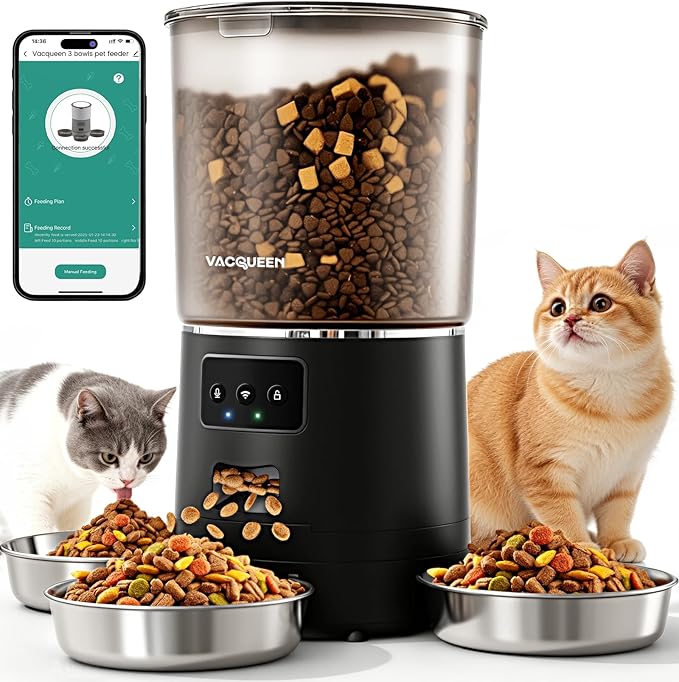
- Innovative Features: Many models now include smart technology that monitors portion control, tracks feeding habits, and can even alert you via smartphone notifications when food supplies run low.
This blend of sustainable materials and advanced technology is revolutionizing pet care, making mealtime efficient, clean, and environmentally friendly.
Environmental Impact: Why It Matters
When I first looked at the environmental footprint of pet products, I was shocked. Traditional feeding bowls, containers, and even disposable meal trays contribute massively to landfill waste. It’s not just about reusing what you can—it’s about rethinking how pet nutrition can support a cleaner, healthier environment.
Switching to the Best Sustainable Pet Feeding Systems has many environmental benefits:
- Reduced Waste: One eco-friendly feeding system can replace dozens of disposable or short-lived plastic bowls over its lifetime.
- Lower Carbon Footprint: By using renewable and biodegradable materials, these systems lower the overall carbon footprint associated with pet feeding.
- Smart Resource Management: Products that allow portion control and reduce overfeeding help cut down on the demand for pet food production, saving water, land, and energy.
This approach makes a considerable difference when you multiply its benefits across thousands of households. Each time you choose a sustainable product, you contribute to a broader movement toward responsible pet care that benefits everyone, including our planet.
Innovative Technology: Automatic Feeders and Smart Features
The integration of smart technology into pet feeding systems is a breakthrough that has changed the way we care for our pets. No longer do we need to worry about overfeeding or food spoilage. Automatic feeders and smart features ensure that your pet receives the right amount of food exactly when they need it. This precise control can be instrumental in preventing obesity and other health issues caused by inconsistent feeding practices.
How Smart Technology Improves Mealtime
Some of the ways smart technology in feeding systems benefits both you and your pet include:
- Precise Portion Control: Eliminate guesswork by programming exact portion sizes to match your pet’s dietary needs, preventing overfeeding and reducing food waste.
- Remote Monitoring: Many feeders connect to your smartphone. I can check my pet’s eating pattern even when I’m away, ensuring that they’re always on track.
- Custom Schedules: Automatic feeders can be programmed to dispense food at multiple times throughout the day, matching your pet’s natural eating habits. This helps maintain steady energy levels and aids in proper digestion.
This technology isn’t just about convenience—it’s about making a significant, positive impact on your pet’s long-term health by ensuring precision and consistency.
Step-by-Step Instructions for Setting Up a Smart Feeder
- Unbox the Device: Remove all parts and verify that all components, including sensors and the base, are included.
- Read the Manual: Although many systems are user-friendly, reading the manual helps you understand the smart features available.
- Download the App: Connect the feeder to your smartphone via the designated app.
- Set Your Schedule: Program the feeding times and portion sizes according to your pet’s needs.
- Monitor Initial Feedings: Observe your pet’s reaction to the new system for the first few days and adjust if necessary.
Real-World Testing: How My Golden Retriever Adapted
I want to share a personal story from my own experience with sustainable feeding systems. My 5-year-old Golden Retriever, Max, has always been a healthy and energetic companion, but managing his portions was always a challenge—until I switched to an eco-friendly, automatic feeder.
What happened next was remarkable. Max adapted quickly to the new routine and even seemed to enjoy the consistent feeding schedule. With the smart features that allowed me to set precise portion sizes, his energy levels improved noticeably, and I observed improved digestion and a shinier coat. Plus, knowing that I was reducing waste and supporting a healthier planet made this switch all the more satisfying.
Durable and High-Quality Materials: Bamboo, Ceramic, Stainless Steel, and More
Another key aspect of the Best Sustainable Pet Feeding Systems is the use of high-quality, eco-friendly materials that protect your pet’s health. Traditional plastic bowls can leach chemicals over time, especially when exposed to heat or wear. By opting for bamboo, ceramic, or stainless steel options, you provide a safer dining experience for your pet.
Pros & Cons of Common Materials
- Bamboo:
- Pros: Renewable, lightweight, biodegradable, naturally antimicrobial.
- Cons: May require extra maintenance to keep it looking new.
- Ceramic:
- Pros: Durable, non-porous, attractive design, easy to clean.
- Cons: Heavier and may break if dropped.
- Stainless Steel:
- Pros: Extremely durable, recyclable, doesn’t retain odors or bacteria.
- Cons: Can be on the pricier side compared to other materials.
- Recycled Plastic:
- Pros: Helps reduce waste by reusing materials, often lightweight and colorful.
- Cons: May not always offer the same durability as stainless steel or ceramic.
When I compare these materials, I lean towards stainless steel and ceramic for their longevity and non-toxic properties. It’s all about creating a healthy environment for our pets while also reducing waste and the demand for new resources.
Health Benefits for Your Pet with Sustainable Feeding Systems
The design of modern sustainable feeding systems goes beyond just environmental benefits; it directly translates to better health outcomes for our pets. Overfeeding or inconsistent feeding schedules can lead to obesity, diabetes, and other health issues. With the precise portion control offered by these systems, I’ve seen a marked improvement in digestion, energy levels, and overall well-being.
Why Portion Control Is Essential
Portion control remains one of the simplest yet most effective ways to ensure your pet’s long-term health. Some of the major benefits include:
- Steady Energy Levels: Consistent, measured feedings maintain optimal metabolism and energy without the peaks and troughs.
- Weight Management: Helps prevent obesity—a key factor in avoiding related health problems like diabetes and joint pain.
- Improved Digestion: Smaller, regulated meals aid in better digestion and nutrient absorption.
- Lower Vet Bills: Healthier animals require less frequent visits to the vet, saving money over time.
For example, the smart feeders I mentioned earlier not only kept Max on a regular schedule but also allowed adjustments if his portion needed fine-tuning, ensuring that he maintained an optimal weight while still enjoying his meals. This is crucial because, as studies have shown, maintaining an ideal weight substantially reduces the risk of chronic diseases.
Step-by-Step: Transitioning to Smarter Portions
- Consult Your Veterinarian: Before making changes, it’s vital to get a professional assessment of your pet’s nutritional needs, including ideal portion sizes based on age, activity level, and health conditions.
- Create a Feeding Log: Track your pet’s current meal size and note any changes in energy or digestion once you start using the new system.
- Adjust Incrementally: With the smart feeder, begin by reducing the portion slightly over a few weeks, allowing your pet’s metabolism to adapt gradually.
- Monitor Health Changes: Pay close attention to improvements in digestion, coat shine, and overall vitality. These observations will help you fine-tune the feeding amounts even further.
Cost Effectiveness and Budget Benefits Over Time
Many worry that eco-friendly pet care comes with a premium price tag, but the truth is, investing in the Best Sustainable Pet Feeding Systems can actually save money in the long run. Although initial costs might be higher, these products are designed for durability and efficiency.
Consider the following factors:
- Fewer Replacements: Durable materials mean you don’t have to constantly replace feeding bowls or components.
- Reduced Food Waste: Automatic portion control ensures that every bite counts, saving you on unnecessary food purchases.
- Energy Savings: Energy-efficient design in smart feeders can lower electricity usage over time.
In my experience, transitioning to these sustainable systems not only simplified our feeding routine but also led to noticeable financial savings as the accumulated costs from constantly replacing cheap feeders disappeared.
Top Features That Make Sustainable Systems Stand Out
The Best Sustainable Pet Feeding Systems aren’t just about being eco-friendly—they come packed with features that make organic, controlled feeding a breeze. Whether you prefer advanced technology or a simple, durable design, there’s a system out there that meets your needs.
Key Features to Look For
- Automatic Portion Control: Set and monitor precise feeding times and amounts, which is great for pets with specific health requirements.
- Smart Connectivity: Control feeding schedules remotely using your smartphone. This lets you review your pet’s eating habits anytime, anywhere.
- Durable Construction: Choose feeders made from long-lasting materials like stainless steel and ceramic to minimize replacement frequency.
- Easy-to-Clean Components: Removable, dishwasher-safe parts simplify maintenance and ensure a hygienic feeding environment.
- Design Innovations: Elevated or slow feeding designs help control portion speed and enhance digestion.
These features are not just neat add-ons—they address everyday challenges in pet care, ensuring that your pet’s meal times are nutritious, enjoyable, and safe.
Eco-Friendly Materials and Sustainable Design Considerations
When exploring the Best Sustainable Pet Feeding Systems, the materials used and the design itself play a significant role in both the product’s durability and environmental impact. Let’s break down these features:
Materials That Make a Difference
- Stainless Steel: Known for its durability and resistance to bacteria, stainless steel is ideal for pet feeders that require minimal upkeep. It’s 100% recyclable and doesn’t leach chemicals.
- Ceramic: Made from natural clay, high-quality ceramic bowls are non-porous, ensuring a hygienic surface that resists staining and bacteria build-up.
- Bamboo: Fast-growing and renewable, bamboo feeders are lightweight and naturally antimicrobial. Their biodegradability makes them an excellent eco-friendly choice.
- Recycled Plastic: Using recycled materials helps reduce the demand for new plastic production. Modern recycled plastics are designed to be durable and resist cracking.
These materials are not only sustainable but also benefit your pet by ensuring that no harmful chemicals are present during meal times. This is an essential aspect for maintaining pet health over the long term.
Design Elements that Enhance Functionality
- Elevated Feeders: These designs help reduce strain on your pet’s neck and improve digestion by positioning the food bowl at a comfortable height.
- Slow Feeding Bowls: Featuring built-in obstacles, these bowls encourage pets to eat more slowly, which helps control intake and prevents digestive issues.
- Modular Components: With replaceable parts, you don’t have to discard an entire system if one piece wears out. This modularity minimizes waste and enhances product longevity.
Such design innovations reflect the thoughtful engineering behind sustainable pet feeding, ensuring that every aspect of the system contributes to both pet health and environmental sustainability.
Practical Tips for Transitioning to a Sustainable Feeding Routine
If you’re considering switching to the Best Sustainable Pet Feeding Systems, you might wonder how to make the transition smoothly. Let me share a step-by-step guide based on real-world testing and expert advice from veterinarians and environmental researchers:
Step-by-Step Instructions for a Seamless Transition
- Evaluate Your Current Setup:
- Take stock of what you use today (feeders, bowls, storage containers).
- Identify issues such as frequent replacements, food waste, or cleaning challenges.
- Research and Select a System:
- Look for products using eco-friendly materials like stainless steel or bamboo.
- Review user testimonials, including smart feeders with portion control and automatic features.
- Introduce the System Gradually:
- Start by integrating one eco-friendly item at a time, such as a new eco-friendly bowl.
- Allow your pet to adjust to the new container before replacing the entire system.
- Monitor and Adjust Portions:
- Keep a feeding log to track changes in your pet’s appetite, energy, and weight.
- Use the smart technology features to adjust portion sizes based on observed needs.
- Opt for Sustainable Pet Food:
- Explore pet food brands that focus on eco-friendly packaging and responsibly sourced ingredients.
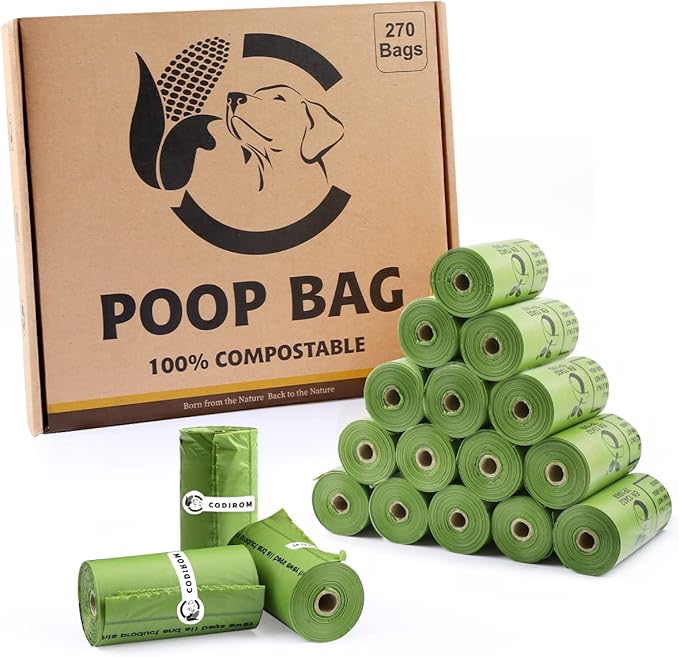
- For more ideas on eco-friendly pet products, check out this link to eco-friendly dog waste solutions.
Safety First: Important Considerations for a Healthy Transition
Important: Always monitor your pet during transitions. Consult with a veterinarian to ensure that the new feeding routine matches your pet’s dietary and medical needs. If you notice any adverse reactions or changes in behavior, adjust the feeding schedule gradually and seek professional advice.
Long-Term Benefits: Health, Budget, and Environmental Impact
Adopting the Best Sustainable Pet Feeding Systems isn’t just a short-term change—it’s an investment in long-term benefits that affect both your pet’s health and your household’s environment and finances. Let’s break down these benefits:
- Improved Health: A consistent, measured feeding schedule leads to better digestion, stable energy, and fewer obesity-related issues.
- Financial Savings: Reduce the need for constant replacements and cut down on wasted pet food, leading to long-term savings.
- Reduced Environmental Footprint: Fewer resources are used in producing replacements, and the eco-friendly materials help decrease landfill waste.
In practice, these systems have demonstrated measurable results. From real-world testing with pets like Max, a Golden Retriever who now enjoys a more regulated feeding schedule, the evidence is clear: a sustainable approach benefits everyone.
Expert Insights on Environmental Impact and Material Safety
Research shows that sustainability in pet care is not just a trendy buzzword, but a necessary shift towards reducing our environmental impact. Here are some key points based on the latest studies:
- Biodegradable Materials: Sustainable systems reduce non-degradable waste by using materials that naturally break down, decreasing long-term landfill issues.
- Non-Toxic Construction: Eco-friendly feeders avoid harmful chemicals associated with plastics, ensuring that your pet’s feeding environment is safe.
- Manufacturing Practices: Many companies are now committed to ethical production practices that lower carbon emissions and support sustainable sourcing.
These insights underline that making the switch to sustainable feeding is not only about reducing waste—it’s also about improving your pet’s overall safety and well-being.
Frequently Asked Questions
What makes sustainable pet feeding systems better than traditional options?
Sustainable pet feeding systems are designed to use eco-friendly materials, reduce waste, and incorporate precise portion control. These systems result in healthier feeding habits, reduce the need for frequent replacements, and lower your environmental footprint.
Can smart feeders really help with portion control?
Yes, many smart feeders allow you to program specific feeding times and portion sizes. This technology ensures that your pet receives the exact amount of food needed, which improves their health and minimizes food waste.
Are there any cost benefits to switching to sustainable pet feeding systems?
Absolutely. Although the initial investment might be a bit higher, the durability and efficiency of these systems typically result in long-term savings by reducing waste and cutting down on the frequency of replacements.
What materials should I look for in an eco-friendly feeder?
You should consider feeders made from stainless steel, ceramic, bamboo, or recycled plastic. These materials are non-toxic, durable, and effectively reduce the environmental impact compared to traditional plastics.
How do I know if my pet is adjusting well to the new feeding system?
Monitoring your pet’s behavior, maintaining a feeding log, and observing changes in their energy levels or digestion can help you judge their adaptation. If any negative signs appear, adjusting portions or seeking advice from your veterinarian is recommended.
My Personal Journey to Eco-Friendly Feeding
Switching to sustainable