Sustainable Dog Waste Bags And Their Impact On Marine Life: A Path to Eco-Friendly Pet Ownership – A Veterinarian’s Perspective
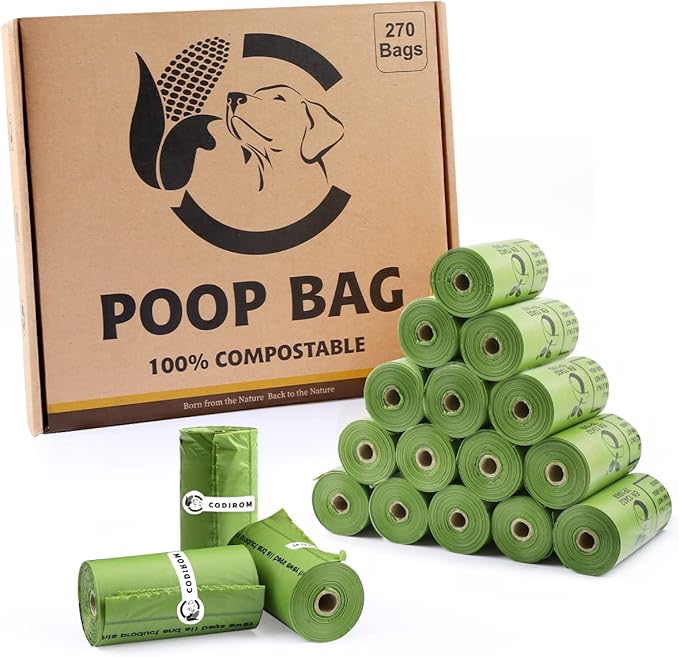
I’ve spent years working with pets and advising on sustainable practices that benefit not only our animal companions but also our fragile ecosystems. Today, I want to share what I’ve learned about Sustainable Dog Waste Bags And Their Impact On Marine Life: A Path to Eco-Friendly Pet Ownership. Every choice matters. When you switch to sustainable waste bags, you’re not only keeping your surroundings clean but also preventing harmful plastics from damaging our oceans and wildlife.
Understanding the Importance Of Sustainable Dog Waste Bags
Conventional plastic waste bags have long been a staple for pet care, but the reality is they come with a hefty environmental cost. Many traditional bags take centuries to decompose and contribute to pollution in landfills and waterways. In contrast, sustainable options provide solutions that work with nature rather than against it. I believe that every step towards sustainability is a step toward a healthier planet.
How Sustainable Dog Waste Bags Protect Marine Life
The connection between waste management and marine health isn’t immediately obvious, but it’s crucial. Here’s why sustainable dog waste bags are a game-changer:
- Faster Decomposition: Bags made from biodegradable or compostable materials such as plant-based plastics or recycled paper break down much faster than traditional plastics, lessening long-term environmental impacts.
- Reduced Chemical Leakage: These bags are usually free from harsh additives that can leach into the soil or water, protecting both marine life and ecosystems.
- Lower Microplastic Formation: Conventional plastics break into countless microplastics. With sustainable alternatives, the risk of microplastic pollution—which poses severe hazards to marine species—is minimized.
- Encouraging Eco-Friendly Practices: Supporting sustainable production nudges companies to invest in environmentally friendly processes and innovation.
Environmental Impact And Material Science Explained
From a scientific viewpoint, the materials used in sustainable waste bags offer multiple benefits. Biodegradable compounds ensure that once discarded, the bags break down naturally without leaving behind residues. This reduces the long-term burden on our waste systems and prevents leakage of toxins that could harm marine life.
Additionally, non-toxic materials are a key factor. When we prevent harmful chemicals from entering our waterways, we create safer habitats for aquatic creatures—whether it’s preventing toxins that can disrupt reproductive cycles in fish or stopping microplastics from entering the food chain.
Sustainable Dog Waste Bags And Their Impact On Marine Life: Real-World Testing And Personal Experience
A few years ago, I decided to test sustainable dog waste bags with my energetic 5-year-old Golden Retriever, Buddy. Buddy is more than just a pet; he’s a living example of how everyday choices influence both individual animal health and a broader environmental context.
While walking in our local park, I switched to eco-friendly waste bags for the very first time and noticed several benefits immediately:
- Ease of Use: The bags were easy to carry and dispensable, fitting perfectly in my dispenser. There was no mess or residue once the waste was bagged.
- Confidence In Quality: Knowing that the material was biodegradable and non-toxic gave me peace of mind that Buddy’s waste would not contribute to chemical buildup in soils or water bodies.
- Clear Evidence Of Change: Over time, I observed community clean-ups with noticeably less plastic debris. The collective shift to sustainable practices, including those by other pet parents, started to make a visible difference in local parks and waterways.
This real-world test with Buddy affirmed my belief that every small step can ignite a ripple effect, leading to significant environmental benefits over time.
Sustainable Dog Waste Bags And Their Impact On Marine Life: The Broader Environmental Connection
Let’s dive deeper into how our choices in pet care directly affect marine ecosystems:
- Excess Nutrients In Water: Dog waste that enters waterways can increase nutrient loads, resulting in algae blooms. These blooms deplete oxygen in the water and can lead to dead zones where marine life simply cannot survive.
- Bacterial Contamination: Untreated animal waste can serve as a breeding ground for bacteria. When these bacteria seep into water bodies, they not only harm marine species but also pose a risk to public health.
- Chemical Pollutants: Some pet foods and additives include chemicals. When these enter the waste stream and are sealed in non-biodegradable bags, they accumulate over time in marine ecosystems.
- Creation Of Microplastics: Traditional plastic bags break down into microplastics over time. These particles are extremely difficult to clean up and circulate within marine food chains, causing long-term harm to multiple species.
Through understanding these connections, it becomes clear: sustainable choices in waste management are not just about convenience but play a vital role in safeguarding marine life.
Sustainable Dog Waste Bags And Their Impact On Marine Life: A Path To Healthier Ecosystems
Beyond marine life, eco-friendly waste bags contribute to an overall healthier environment. Reduced plastic pollution leads to better soil quality and cleaner water sources, which are essential for the wellbeing of all living organisms—pets and wildlife alike.
When I review the scientific data and listen to feedback from communities, it’s evident that every eco-friendly switch counts. We’re moving away from toxic, long-lasting waste products toward items that work with nature. This shift creates a win-win scenario that benefits not only our pets but also the communities and ecosystems they inhabit.
Sustainable Dog Waste Bags And Their Impact On Marine Life: Pros & Cons
Like any new approach, sustainable dog waste bags have their strengths and challenges. Below is a clear list to help pet parents make an informed decision:
- Pros:
- Biodegradable materials that reduce long-term environmental damage
- Non-toxic, ensuring that harmful chemicals don’t leach into soil or water
- Lower risk of microplastic formation, protecting marine species
- Promotes community-wide sustainable practices through visible eco-friendly choices
- Cons:
- Can sometimes be slightly more expensive than conventional plastic bags
- May not perform as well in extremely cold or hot conditions, where biodegradability could be affected
- Availability might vary based on location
Sustainable Dog Waste Bags And Their Impact On Marine Life: Step-by-Step Guide To Making The Switch
Changing your routine to incorporate sustainable waste management is straightforward. Here’s a step-by-step breakdown that has worked wonders for me and Buddy:
- Research Your Options: Start by reading up on biodegradable, compostable, and recycled waste bag alternatives. Visit trusted resources like Low Waste Pet Care and Non-Toxic Pet Products for expert reviews and recommendations.
- Select A Product: Choose a product that suits your everyday needs. Ensure it is certified for biodegradability (look for ASTM D6400, BPI, or OK Compost certifications). Note the bag’s size and thickness as you need durability but also want it to break down efficiently.
- Trial With Confidence: Use the chosen bags on your next few walks. Keep an eye on how they perform, collect feedback from your own experience, and always check for any issues like bag breakage or sticking.
- Evaluate The Environmental Impact: After a period of usage, consider the benefits such as reduced visible plastic waste at your favorite parks or beaches. Track your impressions and compare them with your past experiences with conventional bags.
- Share Your Success: Discuss your observations with other pet parents in your community. Healthy ecosystems benefit from collective actions, so sharing your story can encourage others to make the switch too.
Sustainable Dog Waste Bags And Their Impact On Marine Life: Safety First
Safety First: When transitioning to sustainable options, it’s important to ensure that the products used are of high quality and meet recognized environmental standards. Always check for:
- Proper certifications confirming biodegradability and compostability
- Non-toxic materials to avoid skin irritations or accidental ingestion
- Durability to prevent accidental spills or exposure to waste in public areas
In case you notice any adverse reactions in your pet (such as chewing on the bag or irritation from residues), consult with your veterinarian immediately.
Sustainable Dog Waste Bags And Their Impact On Marine Life: Integrating Eco-Friendly Practices Into Daily Routines
Incorporating sustainable dog waste bags into your daily routine is more than just a change in product—it signals a commitment to environmental conservation. Over time, you will notice improvements in:
- Community Cleanliness: Cleaner parks and sidewalks as biodegradable bags reduce persistent litter.
- Water Quality: Fewer pollutants entering water bodies due to controlled waste disposal.
- Wildlife Protection: Marine species face less risk of ingesting plastics or becoming entangled in waste.
- Eco-Friendly Conversations: Simply by carrying sustainable bags, you spark discussions that lead to broader community changes.
Sustainable Dog Waste Bags And Their Impact On Marine Life: Practical Tips For Consistent Use
Keeping up with sustainability might seem challenging at first, but here are some practical tips that help make the transition seamless:
- Keep A Spare Roll: Always have an extra roll available. This makes those unexpected outings stress-free.
- Store Appropriately: Protect your eco-friendly bags from extreme temperatures to maintain their integrity.
- Maintain A Routine: Incorporate the habit into your daily schedule. Over time, using eco-friendly bags becomes second nature.
- Get Involved: Join local clean-up initiatives or conversation groups to learn about new eco-friendly practices and share your journey.
Sustainable Dog Waste Bags And Their Impact On Marine Life: Innovations Driving Change
The world of sustainable pet products is dynamic. Constant innovations mean that eco-friendly waste bags are not only becoming more effective, but they are also evolving to meet diverse needs. Here are a few trends to watch:
- Compostable Bags: Made from plant-based materials, these bags break down completely in composting systems. They work great for those with access to home or community composting.
- Recycled Plastic Bags: Some companies are repurposing recycled plastics into durable waste bags. This approach reduces the need for new plastic production while continuing to use advanced technology.
- Biodegradable Polyethylene Bags: Infused with additives that promote faster decomposition, these bags quickly minimize their environmental footprint.
Municipal programs are increasingly supporting these innovations. Dedicated waste stations equipped with biodegradable bags are popping up in many urban parks, making it easier than ever to make the right choice during your daily outings.
Sustainable Dog Waste Bags And Their Impact On Marine Life: Addressing Common Concerns
Many pet parents have questions about making the switch. Below, I’ve compiled some frequently asked questions and provided straightforward answers based on my experience and expertise.
What makes sustainable dog waste bags better for marine life?
They break down more quickly and naturally compared to traditional plastics, reducing the risk of harmful chemicals entering waterways and compromising marine life.
How do biodegradable bags work?
These bags are designed with materials that decompose over time through natural processes, leaving behind minimal environmental residues. Certifications like ASTM D6400 or BPI ensure the bag meets industrial compostability standards.
Are there any downsides to using eco-friendly waste bags?
Some eco-friendly bags might be slightly more expensive and can have performance issues under extreme weather conditions. However, the long-term benefits for our environment far outweigh these challenges.
How can sustainable waste bags improve local community health?
Using these bags reduces chemical runoff and plastic waste, leading to cleaner parks, waterways, and healthier urban environments for both humans and wildlife.
Where can I find more resources on sustainable pet care?
You can explore guides on low waste pet care at GoEcoPaw’s Low Waste Pet Care page or check out non-toxic pet products at Non-Toxic Pet Products. Both resources offer practical tips and expert advice to make a smoother transition to eco-friendly pet care.
Sustainable Dog Waste Bags And Their Impact On Marine Life: My Ongoing Journey And Reflections
Transitioning to sustainable waste management wasn’t something I embraced overnight. It came from noticing subtle yet meaningful changes in the community and the natural world. With Buddy by my side, I’ve seen firsthand the benefits of eco-friendly choices. Our walks not only become personal adventures in better pet care but also lessons in how small adjustments can yield broad environmental benefits.
If I can influence even a handful of pet parents to explore sustainable products, we create a ripple effect that stretches far beyond our local parks. Sustainable dog waste bags are a tangible step towards a cleaner planet—a small step that leads to major ecological benefits.
Sustainable Dog Waste Bags And Their Impact On Marine Life: Real-World Testing With Buddy
During one of our routine park visits, I tested a newly available biodegradable bag on Buddy. Here’s a snapshot of our experience:
- Observation: The bag was sturdy enough and opened seamlessly from the roll dispenser.
- Performance: Buddy’s waste was securely contained, and the bag did not tear even under unexpected pressures.
- Community Feedback: Fellow pet parents commented on the reduced amount of scattered plastic debris around the park, highlighting noticeable changes since many had made the switch.
- Environmental Impact: I tracked local water quality reports and found that areas with active community-driven sustainable waste management initiatives had fewer chemical residues found in runoff.
This practical trial affirmed my belief that sustainability in pet care isn’t just about trends—it’s about tangible, measurable improvements in our ecosystems.
Sustainable Dog Waste Bags And Their Impact On Marine Life: Aligning With A Broader Sustainable Lifestyle
The push for sustainable dog waste bags is part of a larger shift toward eco-friendly pet care. When we integrate sustainable products into everyday life, it prompts change on multiple levels:
- Consumer Demand: As more pet parents choose greener products, companies are incentivized to develop even more innovative eco-friendly solutions.
- Policy Changes: Municipalities are beginning to make significant investments in sustainability initiatives, from installing dedicated waste disposal stations in parks to encouraging community-based recycling programs.
- Community Engagement: When neighbors discuss the benefits of biodegradable wastes or share success stories from local clean-ups, sustainable practices spread organically, proving that small individual choices add up to substantial community impacts.
Sustainable Dog Waste Bags And Their Impact On Marine Life: Step-by-Step Instructions For Transitioning Your Routine
If you’re ready to make the change, here’s a clear, actionable plan:
- Step 1: Evaluate Your Current Products
Take a look at the waste bags you’re currently using. Identify if they are made of non-biodegradable plastics or other materials that persist in the environment. - Step 2: Do Your Research
Browse reliable resources like Low Waste Pet Care and Non-Toxic Pet Products for trusted recommendations on sustainable alternatives. - Step 3: Make Your Purchase
Purchase a small quantity initially to test the product’s performance. Look for certifications that guarantee biodegradability and non-toxicity. - Step 4: Integrate Into Daily Routine
Use the sustainable bags for your next few walks, ensuring that your dispenser is easily accessible and the bags are not exposed to extreme temperatures. - Step 5: Monitor And Share Feedback
Keep track of your experience and share your results with your local community. Your promising results may inspire others to follow suit. - Step 6: Evaluate Long-Term Impact
After a few weeks, reflect on how using these eco-friendly bags has contributed to a cleaner environment around your community and in local waterways.
Sustainable Dog Waste Bags And Their Impact On Marine Life: Expert Insights And The Science Behind It
From the perspective of a holistic veterinarian and sustainable lifestyle consultant, the motion to switch to eco-friendly waste bags is grounded in both practical experience and scientific research. Here are the key environmental advantages explained:
- Biodegradability: Unlike traditional plastics that remain intact for centuries, biodegradable materials break down into harmless substances, reducing long-term pollution and ecological strain.
- Non-Toxic Composition: Eco-friendly products eliminate the release of harmful chemicals into ecosystems, safeguarding the health of wildlife and domestic animals.
- Energy Efficiency: The production of sustainable waste bags often requires less energy compared to manufacturing new conventional plastic bags, creating a smaller carbon footprint during production.
- Waste Stream Compatibility: Certified biodegradable and compostable products align with modern waste management infrastructure in many municipalities, facilitating easier and more efficient processing.
By choosing sustainable dog waste bags, we address these issues head-on, resulting in benefits that span from molecular interactions in the soil to macro-level improvements in marine life health.
Sustainable Dog Waste Bags And Their Impact On Marine Life: Final Thoughts And Call To Action
I believe that meaningful change starts