Eco-friendly Kitten Care: Sustainable Toys And Litter – Why It Matters
Bringing a kitten into your life is an exciting journey that also offers the opportunity to make environmentally conscious choices. In my years as a holistic veterinarian and sustainable pet lifestyle consultant, I’ve seen firsthand how little changes can have a huge impact—not only on your kitten’s well-being but on the planet too. This comprehensive guide on Eco-friendly Kitten Care: Sustainable Toys And Litter is designed to help you create a healthier, happier home for your furry friend while reducing waste and protecting our environment.
In this article, we’ll break down the benefits of sustainable kitten toys, explore biodegradable litter options, provide practical step-by-step instructions, and share real-life examples to demonstrate how effective these changes can be. Whether you’re new to kitten care or a seasoned pet parent, the information here is both practical and easy to implement.
Eco-friendly Kitten Care: Sustainable Toys And Litter – Understanding the Environmental Impact
Every decision in kitten care—from the toys in which they play to the type of litter in their box—has the power to influence their daily life and the environment. Conventional pet products often rely on materials like plastic and clay, which not only contribute immensely to landfill waste but may also pose risks to your kitten’s health.
When I first learned about the environmental toll of traditional kitten supplies, it motivated me to start researching alternatives that are both safe and sustainable. The choices we make today pave the way for a cleaner future, and adopting eco-friendly products is a direct investment in a healthier world for our pets.
Benefits of Sustainable Materials for Kitten Toys
Kittens are naturally curious and playful, and they need engaging toys to stimulate their instincts. Traditional plastic toys not only break easily and accumulate in landfill, but they also may contain chemicals that your kitten could ingest, resulting in potential health issues.
With sustainable kitten toys, you’re choosing products that are designed with both safety and environmental impact in mind. Here’s why natural materials make all the difference:
- Biodegradability: Materials like organic cotton, natural rubber, sustainably harvested wood, hemp, and sisal break down naturally, reducing landfill waste.
- Non-toxic Composition: Eco-friendly toys are typically free of harmful chemicals and synthetic dyes, ensuring they are safer if chewed or ingested in small amounts.
- Durability: Investing in durable toys means fewer replacements over time. High-quality materials are less likely to break apart, meaning your kitten’s playtime remains consistent and reliable.
- Reduced Waste: Many sustainable toys are made with recycled materials or repurposed fibers, meaning each purchase helps to cut down on overall resource consumption.
When purchasing eco-friendly kitten toys, it’s essential to choose brands that share these sustainable values. For further tips on reducing waste in pet care, feel free to explore our in-depth guide at Low Waste Pet Care.
Eco-friendly Kitten Care: Sustainable Toys And Litter – In-Depth Look at Natural Fiber Toys
There’s a special charm about natural fiber toys that not only stimulate the kitten’s playful side but also offer remarkable health and safety benefits. Let’s dive into some of the best natural materials and what makes them a superior choice.
Organic Cotton and Hemp Toys for Natural Play
Organic cotton and hemp are two of the most versatile materials in the eco-friendly toy market. Their natural softness and durability provide the ideal textures for a kitten to bat, chew, and cuddle.
Why these materials stand out:
- Safe for Chewing: These natural fibers do not contain toxic chemicals and are gentle on the digestive system if ingested accidentally.
- Soft Yet Durable: Organic cotton provides a gentle texture while hemp offers extra durability, making them perfect for active kittens.
- Sustainably Sourced: Many manufacturers ensure that their cotton and hemp are grown without harmful pesticides and chemicals, supporting organic farming practices.
In my practice, I’ve seen kittens thrive on natural fiber toys. They’re often more attracted to the varying textures, which help sharpen their sensory skills and keep them engaged longer.
Wooden Toys: Durable, Non-Toxic, and Engaging
Wooden toys have a timeless appeal that not only resonates with our aesthetic values but also with the rugged nature of a playful kitten. Quality wooden toys are sourced from sustainably managed forests, ensuring that every piece is both eco-friendly and safe.
Key Advantages of Wooden Toys:
- Long-lasting: Wooden toys offer a sturdy alternative to plastic, with fewer risks of becoming hazardous splinters.
- Natural Sensory Experience: The grain and texture of wood stimulate a kitten’s natural curiosity, making playtime both fun and beneficial for motor skills.
- Eco-responsible Production: Look for certifications from forest stewardship organizations to ensure that the wood is sustainably sourced.
I often recommend wooden toys to pet parents who wish to provide an engaging play experience without compromising on safety. Whether it’s a simple wooden ball or a handcrafted mouse toy, the natural feel and durability speak volumes about its eco-friendly credentials.
Eco-friendly Kitten Care: Sustainable Toys And Litter – Exploring Sustainable Litter Options
Litter is an essential part of any kitten’s daily routine, yet traditional clay litters have significant environmental and health downsides. Clays are mined through intensive processes that disrupt ecosystems and lead to non-biodegradable waste piling up in landfills. Fortunately, sustainable alternatives are available.
Switching to eco-friendly litter isn’t just about reducing waste—it can also improve your kitten’s health by minimizing dust exposure and chemical additives.
Biodegradable Litter Materials: A Safer Choice
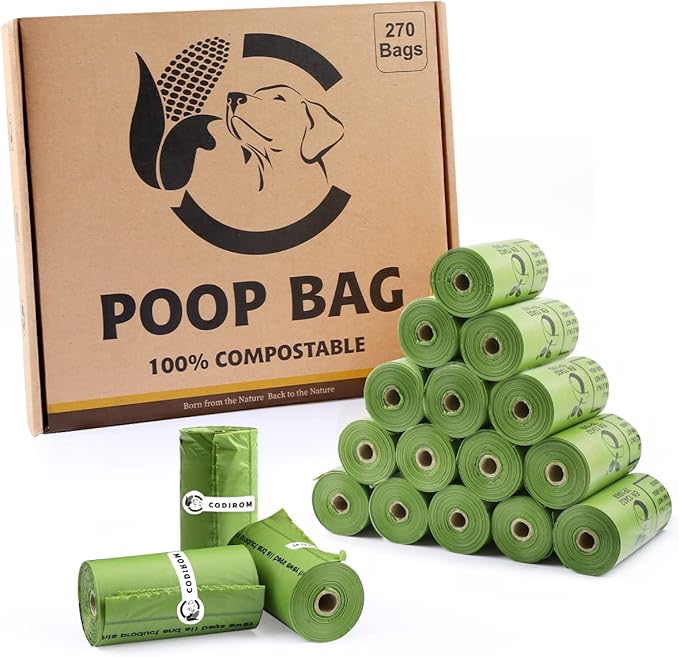
Biodegradable litters, which include paper, wood pellets, corn, wheat, and plant-based alternatives, provide fantastic options for those looking to balance performance with environmental care.
Highlights of biodegradable options:
- Paper-Based Litter: Made from recycled newspapers and cardboard, this litter is dust-free and gentle on a kitten’s paws. It clumps well and offers excellent odor control.
- Wood Pellet Litter: Derived from pine, cedar, or fir, these pellets utilize natural wood scents to effectively mask odors while being rapidly biodegradable.
- Corn and Wheat-Based Litter: These plant-derived litters not only clump effectively but are also naturally antimicrobial, reducing the need for artificial additives.
- Grass and Wheat Litters: As fast-growing, renewable resources, these products offer sustainable alternatives for odor control without synthetic chemicals.
By upgrading your kitten’s litter to a biodegradable alternative, you contribute to a cleaner environment. The reduced dust means better respiratory health for your kitten, and the compostable nature of these products lessens the environmental footprint.
Step-by-Step Instructions for Transitioning to Eco-friendly Litter
- Initial Mix: Start by mixing a small amount of the new biodegradable litter with the existing clay litter. Aim for a ratio of 10% new litter to 90% old litter during the first few days.
- Gradual Increase: Over a week or two, gradually increase the proportion of eco-friendly litter. This helps your kitten become accustomed to the new texture and scent.
- Monitor Behavior: Pay attention to your kitten’s usage of the litter box. If you notice any hesitation or avoidance, slow down the transition process.
- Establish a Routine: Consistently clean the litter box daily and keep it in the same location. Consistency reinforces good habits and helps reduce any stress associated with change.
Transitioning slowly allows your kitten to adapt without stress. Over time, you’ll notice that the new litter meets all the functional requirements while supporting an eco-friendly lifestyle.
Always observe your kitten’s reaction during the transition phase. Ensure that all toys and litter options are non-toxic and free from harmful chemicals. If you detect any unusual behavior or signs of irritation, consult your veterinarian immediately.
Eco-friendly Kitten Care: Sustainable Toys And Litter – Creating a Green Play Environment
Establishing an eco-friendly environment for your kitten involves making gradual yet impactful changes. I remember working with a family whose kitten thrived when they switched to sustainable products. With fewer chemicals in its environment and toys that truly engaged its natural instincts, the kitten developed strong, healthy behaviors.
Here are some practical ways to create a green play environment in your home:
- Rotate Toys Regularly: Instead of overwhelming your kitten with too many toys at once, keep a small collection of sustainable toys and rotate them regularly. This keeps playtime exciting without generating excess waste.
- DIY Eco-toys: Use household items like cardboard boxes, paper bags (handles removed), and fabric scraps to create new toys. Not only are these options cost-effective, but they also reduce the need for additional manufactured products.
- Interactive Play: Establish daily play sessions that encourage both physical exercise and mental stimulation. Use string toys made of organic materials or puzzle toys crafted from recycled materials to challenge your kitten.
By creating a routine that includes these eco-friendly practices, you’ll help your kitten develop healthy habits that last a lifetime.
Eco-friendly Kitten Care: Sustainable Toys And Litter – Cost-Effective Green Solutions
A common concern among pet parents is that sustainable products might be more expensive. However, I often find that eco-friendly options are not only competitively priced but also offer better longevity and performance compared to their traditional counterparts.
Let’s break down some cost-effective strategies that can help you support green kitten care without stretching your budget:
Budget-Friendly Sustainable Toys
You can offer your kitten a variety of eco-friendly toys without overspending by considering these tips:
- DIY Toys: Use crumpled paper, cardboard boxes, and cloth scrapes to create new toys. These items often cost nothing extra and provide endless entertainment.
- Second-Hand Options: Look for gently used sustainable toys on local community boards or online marketplaces. Many pet owners sell items their kittens have outgrown, allowing you to save money and reduce waste.
- Bulk Purchasing: Many eco-friendly pet supply retailers offer bulk discounts or subscription services. Buying in bulk can bring down the per-unit cost, saving money in the long run.
Cost Savings with Eco-friendly Litter
Switching to sustainable litter can also ease the monthly budget without compromising effectiveness. Here’s how:
- Efficiency and Longevity: Eco-friendly litters often clump better and last longer, meaning you may use less over time compared to traditional clay litter.
- Reduced Health Costs: Minimizing dust and chemical exposure can help prevent respiratory issues in kittens, potentially reducing vet visits.
- Eco-Innovation: Companies that produce biodegradable litter often innovate to balance performance and affordability, making modern eco-litters just as effective as conventional options while being friendlier to the planet.
Eco-friendly Kitten Care: Sustainable Toys And Litter – Real-World Testing
I vividly remember a case where a client adopted a 5-year-old Golden Retriever named Bailey. Although Bailey wasn’t a kitten, his reaction to eco-friendly toys was equally telling. His family had switched to sustainable pet products—including toys made of recycled fabrics and biodegradable chews—and the entire household noticed:
- Improved Activity Levels: Bailey engaged more enthusiastically with the textured, natural toy materials, finding them more stimulating than his old plastic chews.
- Better Health Metrics: His energy levels and overall respiratory health showed marked improvement, with fewer instances of dust-induced sneezes.
- Environmental Commitment: The family, inspired by Bailey’s positive response, started incorporating other sustainable practices at home, reinforcing a culture of conscious consumption that bridged pet care and everyday life.
While Bailey’s story is about a canine companion, similar improvements have been observed with kittens when they interact with eco-friendly toys and sustainable litter. These real-world examples underscore that the quality and health benefits of these products extend across species.
Eco-friendly Kitten Care: Sustainable Toys And Litter – Establishing Healthy Habits Early
One of the best investments you can make in your kitten’s future is establishing healthy habits from day one. The products you choose set the tone for a lifestyle that blends play, comfort, and environmental consciousness.
I always emphasize that the integration of sustainable practices into your kitten’s routine isn’t about perfection—it’s about progress. Here are some step-by-step instructions to help you and your kitten adjust to eco-friendly routines:
Step-by-Step Instructions to Transition Your Kitten to Green Products
- Start Small: Begin with one product switch, such as introducing a sustainable toy alongside the old plastic ones.
- Mix Gradually: For litter, transition slowly by mixing eco-friendly litter with traditional clay. Over one to two weeks, increase the proportion of the new litter to ease your kitten’s adjustment.
- Consistent Routines: Maintain a consistent play and clean-up schedule. Clean the litter box daily and set regular play times to help your kitten recognize the new elements in their environment.
- Positive Reinforcement: Encourage your kitten with praise and treats when they interact positively with new toys and litter. This positive feedback loop reinforces good habits.
Remember, every small step counts. Adopting just one sustainable product can lead to broader positive changes in your household.
Always check product labels for non-toxic certifications and monitor your kitten for any allergic reactions or behavioral changes when introducing new products. If any issues arise, consult your veterinarian promptly.
Eco-friendly Kitten Care: Sustainable Toys And Litter – Real Stories and Relatable Examples
I’d like to share a personal story that illustrates how simple yet transformative eco-friendly changes can be. A client of mine, Sarah, adopted a small tabby kitten named Luna. Sarah was initially hesitant about eco-friendly products, worried they might be less effective or more expensive. However, after switching to natural fiber toys and biodegradable litter, she noticed immediate positive changes:
- Luna became more playful and engaged: The natural textures of organic cotton and sustainably sourced wood triggered Luna’s curiosity, and her overall playtime increased significantly.
- Better litter box habits: With biodegradable litter that was gentle on her paws, Luna started using her litter box more consistently, making cleanup easier and less stressful for everyone in the household.
- A Healthier Home: Sarah noted that there was less dust accumulation around the house, reducing sneezes and respiratory irritation for the entire family. This shift also fostered a greater sense of environmental responsibility at home.
These examples aren’t just isolated incidents—they reflect a growing trend where conscious choices lead to thriving pets and happier homes.
Eco-friendly Kitten Care: Sustainable Toys And Litter – Expert Insights on Environmental and Health Benefits
From an environmental perspective, switching to sustainable kitten care products helps lower our carbon footprint, reduces reliance on non-renewable resources, and supports ethical, eco-friendly manufacturing practices. Let’s look at some key factors:
- Reduced Resource Extraction: Traditional clay for litter and plastics for toys involve extensive mining and petroleum-based production, which damage ecosystems. Eco-friendly alternatives use renewable resources that require less energy to produce.
- Biodegradability