Discovering Eco-friendly Pet Parenting Habits: A Practical Guide
Welcome to a comprehensive exploration of Eco-friendly Pet Parenting Habits that blend sustainable supplies, responsible waste management, natural pet care, and community impact into a seamless lifestyle. In my years of researching veterinary-backed studies, sustainability research, and real-life pet care practices, I’ve uncovered countless strategies that allow us to nurture our furry companions while caring for our planet. Today, I’m excited to share actionable tips, real-world testing anecdotes, and expert insights that will help transform everyday pet care habits into a movement toward greener living.
Every purchase you make—from biodegradable waste bags to sustainable pet food—can spark a ripple effect that influences not only your pet’s health but also our environment. Let’s journey step-by-step through various aspects of eco-friendly pet care, including sustainable supplies, food choices, enrichment items, waste management, and even community initiatives. Together, we’re creating a system that champions better materials, ethical practices, and long-term environmental benefits.
Eco-friendly Pet Parenting Habits: Sustainable Supply Choices
We begin with the basics: sourcing supplies that reduce waste and promote a healthier environment for our pets. Traditional pet supplies often contribute to mounting landfill waste due to non-recyclable packaging and short-lived, low-quality materials. In contrast, Eco-friendly Pet Parenting Habits prioritize products made from renewable, biodegradable, or recycled materials.
Why Sustainable Supplies Matter
The pet industry generates enormous waste every year. From packaging to toys, beds, and food containers, many conventional products are destined for landfills. Switching to sustainable options means:
- Minimizing Waste: Choosing items with reduced or recyclable packaging helps decrease landfilled materials.
- Supporting Ethical Businesses: Many companies offering eco-friendly products are devoted to lowering their carbon footprint and promoting sustainability across their entire supply chain.
- Enhancing Pet Comfort: Sustainable supplies rarely compromise quality—often, they outperform traditional products in durability and safety.
Materials that Make a Difference
Eco-friendly products are usually manufactured with specific materials in mind. Look for:
- Renewable Materials: Items made with organic cotton, hemp, or bamboo that regenerate naturally.
- Biodegradable Components: Products that break down over time without leaving harmful residues.
- Recycled Content: Utilizing recycled polyester or repurposed plastics reduces the demand for new raw materials.
When browsing for supplies, always check the product descriptions for environmental certifications and sustainability claims. This critical detail ensures you’re truly making an eco-friendly choice.
Eco-friendly Pet Parenting Habits: Choosing Sustainable Food Options
Pet food is not only a substantial monthly expense but also a major element in your pet’s environmental footprint. By adopting sustainable food choices, you can reduce the strain on natural resources while ensuring your pet receives top-notch nutrition.
Sustainable Food Production
The pet food industry, especially when relying heavily on industrial meat production, places high demands on water, land, and energy resources. Eco-friendly strategies include:
- Ethically Sourced Ingredients: Look for brands that source proteins from farms with responsible practices.
- Plant-Based Alternatives: Innovations in pet nutrition now include plant-based or insect-based options that lower carbon emissions.
- Local Sourcing: Supporting local pet food brands not only reduces transportation emissions but boosts community economies.
Many companies are now packaging food in recyclable or compostable containers. For example, wet pet food in glass jars or aluminum cans—which are 100% recyclable—offer notable environmental advantages.
Step-by-Step Instructions for Transitioning to Sustainable Pet Food:
- Research Brands: Look for products with clear sustainability practices. Check certifications and read reviews.
- Consult Your Veterinarian: Before switching diets, ensure the new food meets your pet’s nutritional needs.
- Purchase in Bulk: Buying larger quantities minimizes packaging waste and reduces trips to the store.
- Rotate Food Brands: This diversifies your support for eco-conscious companies and keeps your pet’s diet exciting.
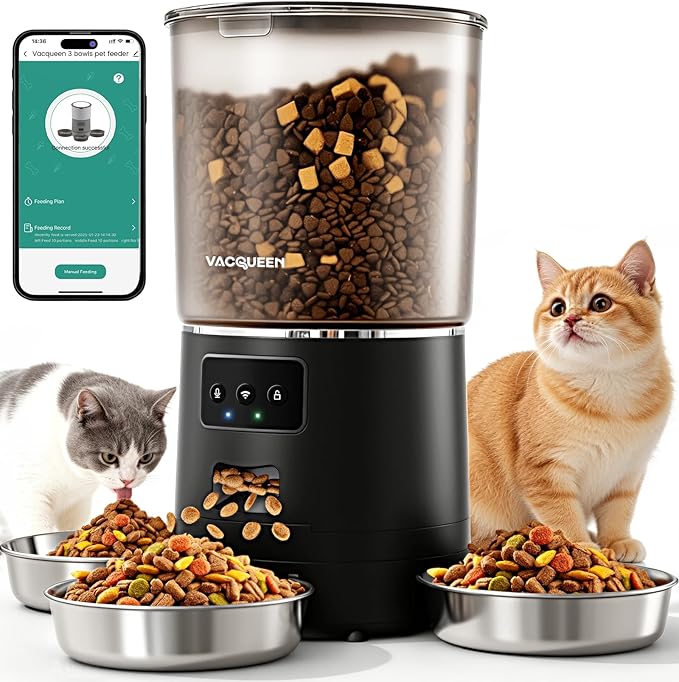
- Store Food Properly: Use airtight, reusable containers to maintain freshness and reduce waste.
My own experience switching to sustainable pet foods has been rewarding—both in the quality of ingredients and the satisfaction that comes from making greener choices.
Eco-friendly Pet Parenting Habits: Accessorizing with Sustainable Toys and Enrichment
Incorporating sustainable toys is essential when building a vibrant environment for our pets. Rather than investing in cheap, disposable plastic toys, opting for durable, eco-friendly alternatives can be both fun and beneficial.
Benefits of Eco-friendly Toys
Toys constructed from durable natural materials not only help reduce waste but also provide long-term mental and physical stimulation for your pet:
- Durability: Natural rubber, organic cotton, or sustainably harvested wood stands up to heavy play and is less likely to be thrown away after a few weeks.
- Natural Decomposition: When these toys eventually wear out, they break down easily without leaving harmful residues.
- Cost-Effective: While the initial investment might be higher, the prolonged lifespan of sustainable toys offers long-term savings.
Real-World Testing: A Golden Retriever’s Experience
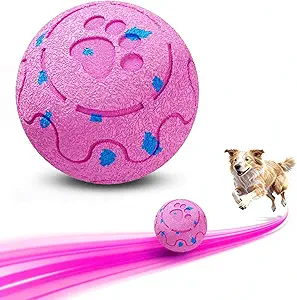
Let me share a story about my neighbor’s 5-year-old Golden Retriever, Max. Max used to have an obsession with plastic squeaky toys, which often disintegrated and left residues he’d try to ingest. After switching to a natural rubber toy made from sustainably sourced materials, Max not only showed a prolonged interest in the toy but also had fewer digestive issues. His playful spirit and health improved noticeably, giving us and his owner peace of mind regarding the safety and sustainability of his favorite toy.
Pros & Cons of Sustainable Toys
- Pros:
- Long-lasting and durable
- Non-toxic materials that are safe for chewing
- Reduces overall plastic waste
- Cons:
- Higher upfront cost compared to disposable toys
- Limited availability in some local markets
Eco-friendly Pet Parenting Habits: Bedding, Grooming, and Care Products
Our choices extend to every aspect of our pet’s life—from the bed they sleep in to the products used to keep them clean and healthy. Adopting environmentally conscious grooming and care routines is vital for both our pet’s health and reducing ecological footprints.
Sustainable Bedding Solutions
Your pet’s comfort is paramount. However, bedding made from synthetic fibers contributes to environmental degradation. Instead, consider bedding options such as:
- Organic Cotton Beds: Soft, breathable, and grown without harmful pesticides.
- Recycled Polyester: Innovative materials made from repurposed plastic bottles offer durability and are often fully recyclable.
- Hemp & Bamboo Options: Naturally antimicrobial and sustainable due to their fast-growing nature.
Some brands even incorporate recycled plastic bottles into fabrics, transforming waste into comfort. If a bed reaches the end of its life, many companies offer take-back programs to recycle the material responsibly.
Eco-friendly Grooming and Care
Grooming products can be a source of harmful chemicals that affect both your pet’s skin and our water systems. Switching to natural, organic products helps alleviate these issues:
- Natural Shampoos & Conditioners: Formulated with botanical extracts like aloe vera, chamomile, and oat extract, ensuring gentle care that washes away easily without contaminating water sources.
- Bamboo Brushes and Wooden Combs: Recyclable and durable alternatives to plastic that maintain your pet’s coat without clogging waterways with synthetic debris.
- Non-Disposable Grooming Tools: Opt for washcloths and reusables over disposable wipes to cut down waste.
Step-by-Step Guide to Sustainable Grooming:
- Switch Your Shampoo: Replace chemical-laden formulas with organic or homemade alternatives (for instance, a diluted apple cider vinegar rinse).
- Opt for Reusable Tools: Invest in bamboo brushes and cloth towels to minimize single-use products.
- Recycle Packaging: Ensure that shampoo bottles and product containers are recycled properly.
- Consult Product Lists: Research brands committed to eco-friendly practices and check for certifications.
Eco-friendly Pet Parenting Habits: Responsible Waste Management
Managing pet waste is an often overlooked aspect of sustainable pet care. Traditional plastic waste bags and non-biodegradable litter contribute massively to environmental degradation. With a few thoughtful adjustments, we can manage this aspect responsibly.
Strategies for Sustainable Waste Management
Effective waste management is critical. Here are some suggestions to align with Eco-friendly Pet Parenting Habits:
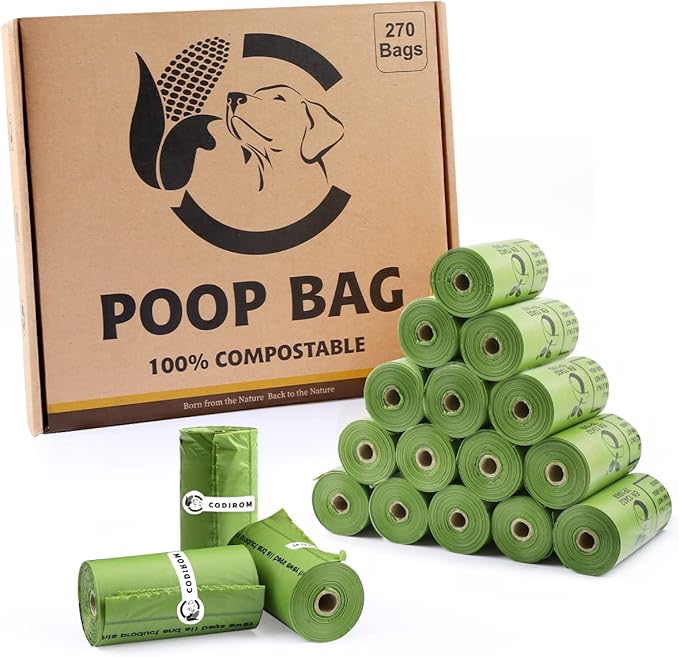
- Biodegradable Poop Bags: These break down naturally under appropriate conditions and reduce reliance on environmentally harmful plastics.
- Pet Waste Composting: In yards, certain composting systems allow pet waste to decompose safely, transforming it into a less harmful material.
- Eco-friendly Litter Options: Choose litters made from pine, corn, paper, or wheat that naturally biodegrade and minimize overall waste.
Step-by-Step Waste Management Process:
- Invest in Biodegradable Bags: Replace standard plastic bags with plant-based alternatives.
- Set Up a Compost Bin: Dedicate a small area in your yard for composting pet waste, ensuring proper safety measures.
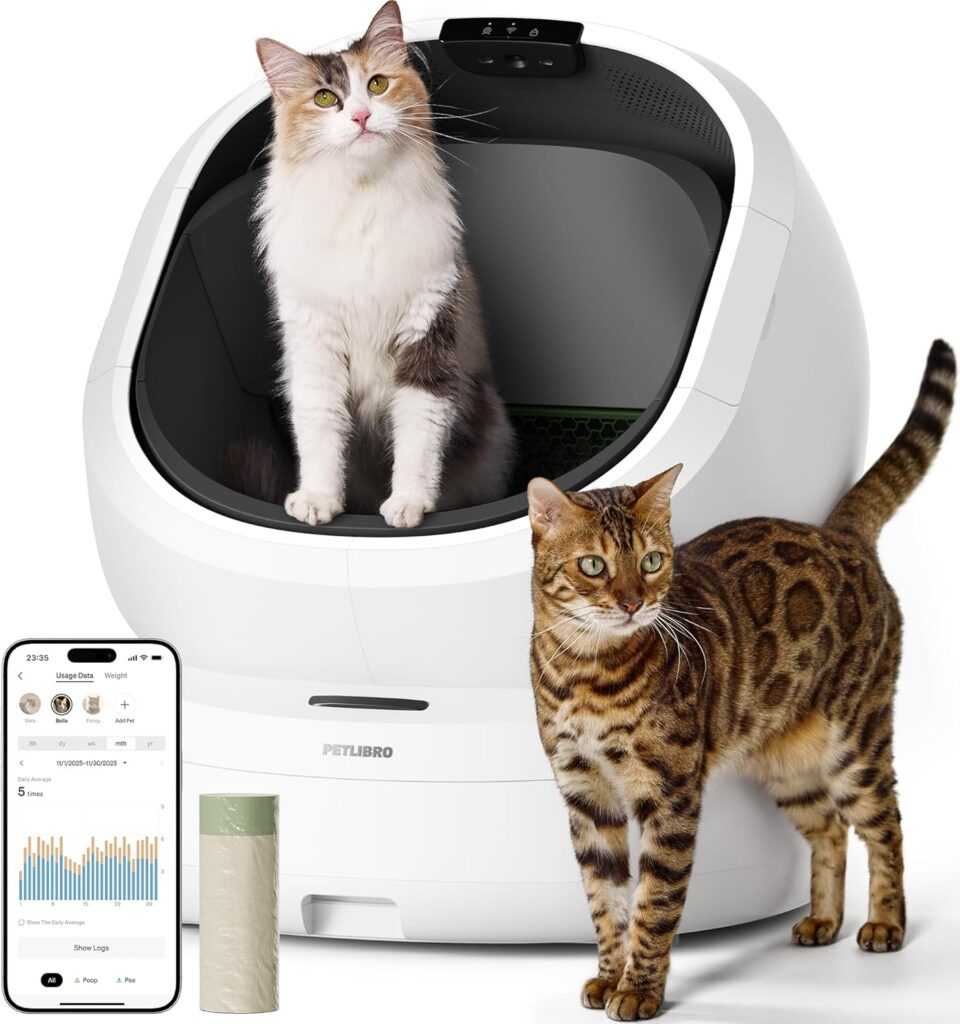
- Switch Litter Types: For cat owners, select eco-friendly litter that balances odor control and biodegradability.
- Recycle Packaging: Purchase pet supplies in bulk to minimize packaging waste.
Safety First
Eco-friendly Pet Parenting Habits: Creating a Green Home Environment
Transforming your home into a green sanctuary for your pet is an extension of sustainable thinking. A clean, safe, and energy-efficient home not only benefits our pets but also minimizes environmental impact, contributing to a more sustainable lifestyle.
Energy Efficiency and Sustainable Home Practices
Simple changes in your home environment can lead to significant energy savings and reduced carbon footprints. Consider these strategies:
- Programmable Thermostats: Ensure optimum temperatures when you’re home, avoiding unnecessary energy use.
- LED Lighting: LED bulbs lower energy consumption considerably compared to traditional incandescent bulbs.
- Natural Lighting: Use sheer curtains and skylights to maximize sunlight during the day, which benefits your pet’s circadian rhythm while reducing energy demands.
Eco-friendly Cleaning and Maintenance
The cleaning products we use in our homes have a direct link to the health of our pets. Transitioning to non-toxic, plant-based cleaners helps protect both your pet and local water quality:
- DIY Cleaning Solutions: Vinegar and water or baking soda mixtures are effective for cleaning floors and surfaces without leaving harmful residues.
- Eco-friendly Commercial Products: Select cleaners with minimal packaging and those that use biodegradable ingredients.
- Reusable Supplies: Switch from disposable wipes and paper towels to washable cloths whenever possible.
For more ideas on sustainable home practices for pet care, check out this helpful resource: Low-Waste Pet Care.
Eco-friendly Pet Parenting Habits: Building Community and Long-Term Impact
The benefits of eco-friendly pet parenting ripple beyond our own households. They foster community awareness, encourage ethical business practices, and contribute to broader environmental restoration. When we make these changes, we inspire others to follow suit, leading to large-scale market shifts that prioritize sustainability.
Community Collaboration and Shared Values
Sharing sustainable practices with neighbors and fellow pet lovers creates opportunities for collective action:
- Informal Conversations: A simple query about your switch to biodegradable products can spark curiosity and lead to broader discussions about eco-friendly habits.
- Local Initiatives: Community groups can organize bulk buying of sustainable pet supplies or even create shared compost systems.
- Educational Outreach: Sharing personal experiences and resources at vet clinics, pet supply stores, and community centers helps educate and influence others.
Long-Term Environmental Benefits
The transition to sustainable practices has tangible, long-lasting impacts, including:
- Reduced Landfill Waste: By choosing renewable or biodegradable pet products, we cut down on overall plastic and non-degradable waste.
- Lower Carbon Emissions: Sustainable food choices and locally sourced products reduce the ecological footprint associated with transportation and industrial farming.
- Improved Waterways: Minimizing chemicals in grooming and cleaning products safeguards aquatic ecosystems from contamination.
- Wildlife Protection: Reducing environmental pollutants benefits native plants and animals, supporting biodiversity.
Real-World Testing: A 5-Year-Old Golden Retriever’s Journey
I vividly recall the transformation in Max, a vibrant 5-year-old Golden Retriever, when his owner embraced Eco-friendly Pet Parenting Habits. Max had struggled with conventional plastic toys that would often break down into small bits, sometimes leading him to chew on fragments that were not safe. After introducing a natural rubber toy—crafted from responsibly sourced natural materials—Max’s playtime changed remarkably.
Here’s what happened:
- Increased Durability: The natural rubber toy lasted several months longer than previous plastic toys.
- Improved Health: Max experienced fewer digestive issues, as the non-toxic materials posed no risk of chemical ingestion.
- Behavioral Changes: He was more engaged and content during play sessions, allowing him to expend energy constructively.
Max’s experience showcases that sustainable products not only reduce environmental harm but also actively contribute to your pet’s health and happiness.
Expertise in Eco-friendly Pet Parenting Habits: Environmental & Health Benefits
In my research, I’ve come to appreciate the detailed science behind our everyday products. Understanding the material science and environmental impact of pet supplies is crucial. Here are some expert insights:
Environmental Impact of Materials
Many eco-friendly products are engineered with sustainability in mind. Consider the following points:
- Biodegradability: Products made with natural fibers degrade without releasing microplastics into the soil and waterways, unlike conventional synthetics.
- Renewable Resources: Materials like organic cotton and bamboo regenerate quickly, making them viable alternatives to resource-intensive plastics.
- Non-toxic Formulations: Natural ingredients used in shampoos and cleaners break down without forming harmful byproducts that would otherwise impact aquatic ecosystems.
Health Benefits for Your Pet
Eco-friendly practices also directly enhance pet well-being:
- Improved Skin and Coat Health: Natural grooming products avoid irritants, reducing the risk of dermatitis or allergic reactions.
- Better Digestive Outcomes: Sustainable, ethically sourced foods tend to be free from harmful additives, promoting optimal digestion.
- Enhanced Longevity: Many of these products contain ingredients or are designed in ways that support long-term health and comfort.
By choosing products that prioritize both environmental responsibility and pet health, you’re effectively investing in a sustainable future for your companion.
Step-by-Step Instructions for Implementing Eco-friendly Pet Parenting Habits
Transitioning to a greener pet care routine may seem daunting, but breaking it down into manageable steps can simplify the process. Follow these instructions to gradually integrate eco-friendly practices into your routine: