Tips For Incorporating Eco-friendly Pet Waste Bags Into Your Daily Routine: A Practical Guide to Sustainable Pet Care
I’m thrilled to share my journey toward sustainable pet care with you, one step, one bag at a time. Over the years, I discovered that even seemingly tiny changes can have lasting environmental and personal benefits. In this comprehensive guide, I’ll take you through my experiences, actionable tips, and real-world testing that will help you confidently adopt eco-friendly pet waste bags in your daily routine. This isn’t just another sustainability checklist; it’s a practical, no-nonsense approach designed for pet parents who care about our planet and the health of their furry companions.
Understanding Eco-friendly Pet Waste Bags and Their Importance
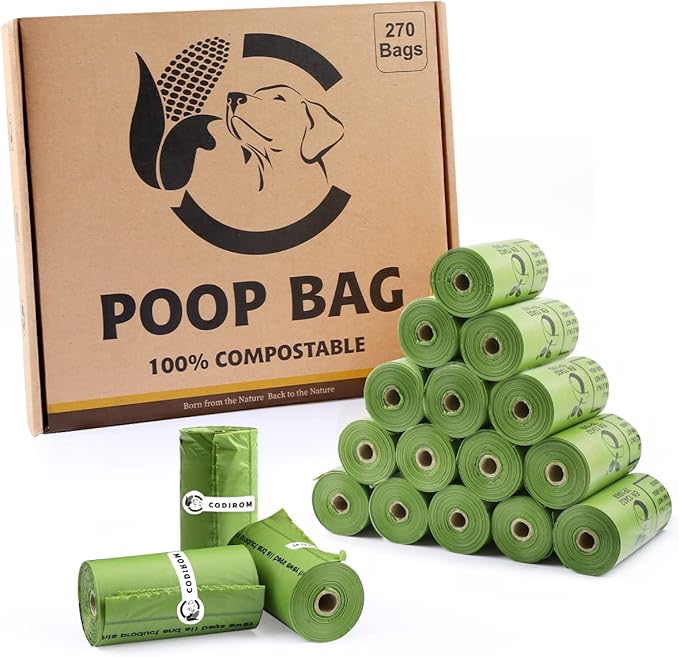
The first time I understood the long-term harm caused by traditional plastic pet waste bags, I knew something had to change. Eco-friendly pet waste bags are specially designed to hold your pet’s waste while breaking down naturally when disposed of correctly. Unlike conventional bags, these products are biodegradable, compostable, or produced from recycled materials. This means that every bag you use actively benefits our environment instead of contributing to landfill overflow and toxic microplastics.
Why It Matters: Using eco-friendly alternatives helps:
- Reduce Plastic Pollution: Lowering the impact on our oceans and wildlife.
- Conserve Resources: Minimizing the dependency on fossil fuels and non-renewable materials.
- Enhance Soil Health: Preventing harmful toxins from seeping into your garden and local ecosystems.
For additional insights into low-waste pet practices, check out our dedicated guide on Low-Waste Pet Care.
Choosing the Right Eco-Friendly Pet Waste Bags: A Practical Approach
Every meaningful change starts with making well-informed choices. I spent time evaluating various products to identify the best eco-friendly pet waste bags available. Knowing which factors to look for can empower you to make choices that protect both your pet and the environment.
Identify Sustainable Materials
The material composition of your pet waste bags is the cornerstone of their sustainability. When scouring labels, keep these considerations in mind:
- Biodegradability: Bags that decompose within months are far superior to those that persist for centuries.
- Compostability: If you have access to a composting facility—whether commercial or at home—select bags that break down into nutrient-rich compost.
- Certifications: Third-party certifications (like ASTM D6400 or EN 13432) are your assurance that the bag meets rigorous environmental standards.
This not only reduces your pet’s carbon paw-print but also supports broader sustainability initiatives. Additionally, if you’re curious about non-toxic pet products that can further enhance your sustainable lifestyle, please visit our page on Non-Toxic Pet Products.
Consider Bag Size and Usability
Finding the right balance between functionality and sustainability is critical. My journey involved testing various brands to pinpoint what works best in everyday situations:
- Appropriate Size: Ensure the bag is large enough to securely contain your pet’s waste. For larger breeds, an extra-large size is essential to prevent spills and messes.
- Durability: The bag must be thick enough to prevent accidental tear or leak, yet still maintain biodegradability.
- Ease of Use: Options with easy-tear perforations or those that fit leash-attached dispensers significantly streamline the cleanup process.
This balance between functionality and eco-consciousness means every time you grab a bag, you’re not compromising on convenience or the environment.
Making Eco-Friendly Pet Waste Bags Accessible in Your Daily Routine
Even the best products are ineffective if they aren’t readily available when you need them. One of the key lessons I’ve learned is that making eco-friendly pet waste bags easily accessible can transform a novel idea into a lasting habit. Here’s how I ensure that I’m never caught off-guard:
Carry Them Everywhere You Go
I’ve found that carrying eco-friendly bags at all times makes a huge difference in adopting the habit. Consider these local hacks:
- Leash Dispenser: Attach a dispenser to your dog’s leash, keeping the bags secure and ready for instant use.
- Multiple Stashing Points: Store a small supply in your car, home, and even at your workplace. This helps ensure that no matter where you are, you’re never without a bag.
- Portable Pouch: Use a dedicated pouch to keep your eco-friendly bags organized if you’re using a backpack or carrying extra gear.
Every time you plan for a walk, consider these storage tactics so that a sustainable choice is always right at hand.
Strategies to Keep Eco-Friendly Bags Handy
Transforming a routine into a habit requires deliberate strategies. Here are some practical methods I use daily to keep my sustainable pet care on track:
- Regular Reminders: Set daily alarms or phone reminders to restock or double-check your bag supply before heading out.
- Easy Storage: Position your bag storage in high-traffic spots. When you consistently see them, you’re more likely to remember to use them.
- Pre-Planning: Incorporate bag-checking into your weekly routine. By planning ahead, you avoid any last-minute scrambles when supplies run low.
Establishing a Routine for Using Eco-Friendly Pet Waste Bags
Building a sustainable habit isn’t instantaneous; it requires consistent effort and intentional planning. I created a daily ritual that ensures my eco-friendly bag usage becomes second nature.
Step-by-Step Instructions to Build Your Routine
Follow these actionable steps to integrate eco-friendly pet waste bags into your day-to-day activities:
- Set an Intention: Begin each day with a simple declaration like, “Before heading out, I check that I have eco-friendly pet waste bags ready.”
- Pair with Other Habits: Couple the act of grabbing a bag with another daily activity. For example, retrieve your keys or wallet, and then reach for your eco-friendly bag.
- Celebrate Small Wins: Every time you use an eco-friendly bag on a walk, acknowledge that achievement. Small steps add up over time.
- Monitor Your Usage: Keep a small log or tracker that notes the days you fully adhere to your routine. Noticing your progress motivates you to continue.
Following these steps not only automates the process but also reinforces your commitment to a sustainable lifestyle every single day.
Real-World Testing: The Experience of Max, My 5-Year-Old Golden Retriever
Real-life experiences are the most compelling proof of any sustainable shift. Let me share how Max, my charming 5-year-old Golden Retriever, has reacted to our switch to eco-friendly pet waste bags.
Max’s Reaction to the Change
At first, I was concerned that eco-friendly bags might not hold up to Max’s enthusiastic outings. However, my worries were unfounded. Here’s what happened:
- Ease of Use: Max’s daily walks became smoother. With the leash dispenser filled with eco-friendly bags, there was never any fumbling or delays.
- Durability Tested: Despite Max’s size and exuberance, the bags showed impressive durability. Not a single tear or accidental leak occurred.
- Positive Health Indicators: Max’s environment—cleaner parks, reduced exposure to harsh chemicals—has translated to a happier, more energetic pet. His coat looks healthier, and he’s enjoying his playtime even more.
This hands-on testing confirmed that switching to eco-friendly options doesn’t compromise on performance. Instead, it enhances the routine, improves convenience, and supports a positive environmental impact.
Environmental and Health Benefits of Eco-Friendly Pet Waste Bags
Understanding the broader impact of our choices can reinforce our commitment to sustainable living. Eco-friendly pet waste bags contribute significantly in two critical areas: environmental protection and pet health.
The Environmental Impact Explained
Eco-friendly pet waste bags are designed with the environment in mind, incorporating features that address pressing global issues:
- Rapid Biodegradation: Unlike conventional plastic bags that take centuries to decompose, these bags break down within months under the right conditions.
- Reduced Landfill Waste: By opting for products that naturally degrade, fewer harmful residues accumulate in landfills and our oceans.
- Lower Fossil Fuel Dependency: Many eco-friendly bags utilize renewable plant-based materials, meaning less reliance on petroleum-based plastics.
Benefits for Pet Health and Wellbeing
It isn’t just about the environment. A cleaner, toxin-free planet contributes to better health for our pets as well:
- Fewer Toxic Chemicals: Eco-friendly products are less likely to contain residual chemicals that could leach into your pet’s living environment.
- Safer Outdoor Spaces: With a reduction in plastic and chemical pollutants, local parks and recreational areas remain healthier for your pet’s play and exercise.
- Improved Social Authority: Switching to non-toxic and sustainable options sometimes inspires broader community changes that benefit the overall ecosystem your pet lives in.
Pros & Cons of Eco-Friendly Pet Waste Bags
Before making any change, it’s wise to weigh the advantages and possible drawbacks. Here are clear, upfront pros and cons I encountered while transitioning:
- Pros:
- Highly biodegradable, reducing long-term landfill waste.
- Effective, leak-proof design that meets practical needs.
- Alignment with sustainable values and reduced fossil fuel dependency.
- Positive influence on local community health and outdoor spaces.
- Cons:
- May cost slightly more than traditional plastic bags (but bulk buying helps reduce this cost).
- Availability varies by region; sourcing might take a bit more planning.
- Some brands require specific disposal methods to achieve full biodegradability.
Safety First: Best Practices and Health Considerations
Safety Tip: When incorporating eco-friendly products into your routine, always follow manufacturer guidelines. Whether it’s handling, storage, or disposal, proper use ensures that you and your pet maintain maximum benefit without added risk.
Here are some quick reminders to keep safety top-of-mind:
- Always verify the compositional details on the bag packaging to ensure proper biodegradation.
- If composting at home, consult local guidelines to avoid contamination.
- Keep eco-friendly waste bags away from direct heat sources to maintain material integrity.
- Maintain clean areas around storage zones to prevent any accidental environmental exposure.
Transitioning to Biodegradable Pet Waste Solutions: Daily Benefits and Impact
Every sustainable switch is a step toward a healthier planet. Here’s a deep dive into how transitioning to biodegradable pet waste bags has enriched my daily life:
- Natural Breakdown: These bags are engineered to decompose naturally under optimal conditions, offering a significant reduction in long-term waste accumulation.
- Reduction in Landfill Use: Every eco-friendly bag used means one less plastic bag polluting our environment, leading to cleaner and safer neighborhoods.
- Support for Sustainable Industries: With many eco-friendly options sourced from renewable resources, your purchase supports green innovation and sustainable production processes.
Every time you choose eco-friendly pet waste bags, you’re not only protecting your surroundings but also reinforcing personal habits that support a larger environmental movement.
Eco-Friendly Versus Traditional Options: A Clear Choice
The debate between traditional plastic bags and eco-friendly alternatives narrows down to one clear factor: sustainability without sacrifice. When I compare both options, the benefits are undeniable:
- Quick Decomposition: Eco-friendly bags naturally break down without leaving behind harmful residues.
- Reduced Toxins: With fewer synthetic chemicals involved, the risk of soil and water contamination is greatly reduced.
- Ethical Production: Many eco-friendly brands adopt ethical practices, ensuring fair labor and responsible resource management.
Creative Strategies for Encouraging Neighbors to Use Eco-friendly Pet Waste Bags
Building a sustainable community is more than a personal duty—it’s a collaborative journey. Over time, I discovered that motivating those around you can accelerate the shift to a less wasteful lifestyle. Here are some creative strategies that helped me influence my neighborhood:
Start with Awareness Campaigns
Raising awareness within your community is the first step to change:
- Distribute Informational Flyers: Create eye-catching flyers that outline the benefits of eco-friendly pet waste bags and post them at local pet stores or community centers.
- Social Media Outreach: Utilize Facebook, Instagram, and Nextdoor to share success stories, statistics, and articles like this one. Consistent posting strengthens community knowledge and drives interest.
- Local Newsletters: Contribute short, impactful pieces to community newsletters emphasizing sustainable pet care practices and include helpful links for further reading.
Organize Local Clean-Up Events
There’s nothing like a community event to reinforce collective action:
- Plan a Neighborhood Clean-Up: Choose a local park or street for a clean-up event. Bring along your eco-friendly bags and invite neighbors to join in the effort.
- Create Friendly Competitions: Run contests where the household using the most eco-friendly bags wins a small prize. This turns environmental care into an enjoyable challenge.
- Foster Collaboration: Regularly meet with local pet enthusiasts through community groups to share ideas, tips, and success stories.
Utilize Digital Platforms to Build a Community
Digital engagement can exponentially extend your influence:
- Online Forums: Join or create a dedicated group on Nextdoor or Facebook that focuses on sustainable pet care. Share your tips and insights to build a regular audience.
- Regular Updates: Post weekly updates on your progress and new findings regarding eco-friendly products. Consistency keeps the topic top-of-mind among your peers.
- Involve Local Influencers: Collaborate with local pet bloggers or social media influencers. Their endorsement can lend extra authority to your sustainability message.
My Personal Journey to Sustainable Pet Care
Let me share my personal journey in transforming daily habits into an eco-conscious routine—an evolution driven by deliberate choices, trials, and genuine commitment.
From Skepticism to Sustainable Practice: My Story
Initially, I wondered if eco-friendly pet waste bags could hold up to the demands of my everyday routine. I tested multiple products, compared performance, and evaluated their durability against traditional options. Gradually, through trial and error, I became a firm believer in the value of sustainable alternatives. Here’s a recap of my experience:
- Initial Hesitation: I began researching and reading extensive reviews to determine whether these bags could truly match the durability and usability of plastic bags.
- Trial Phase: I experimented with different sizes and dispenser systems until I found the perfect match. Attaching a dispenser to the dog’s leash simplified the process significantly.
- Routine Building: Over time, using eco-friendly bags was integrated into my daily habits—almost as automatic as grabbing your keys before a walk. Regular reminders and strategic storage played a big role in this transformation.
- Community Impact: Sharing my success with neighbors prompted a positive ripple effect. Conversations, local clean-up events, and digital outreach gradually contributed to a wider community embrace of sustainable pet care.
Step-by-Step Instructions for Adopting the New Habit
For anyone interested in making the shift, here’s a structured set of steps based on my experience:
- Step 1: Research & Compare
- Gather detailed information on the biodegradable or compostable bags available.
- Check for third-party certifications and user reviews to verify claims.
- Step 2: Purchase & Test
- Buy a small trial pack from a trusted supplier.
- Experiment with different dispenser options to identify what fits your routine best.
- Step 3: Integrate into Your Routine
- Keep the bags in multiple accessible locations (leash dispenser, car, home).
- Set daily reminders to ensure you’re consistently using the eco-friendly option.
- Step 4: Share Your Experience
- Talk about your experience with friends and community members.
- Engage on social media to advocate for sustainable pet care practices.
By following these steps, you’ll soon find that your commitment to the environment doesn’t require a major upheaval of your daily activities—it simply becomes a natural, reinforcing habit.
Expert Insights: The Science Behind Eco-Friendly Materials
Digging into the material science behind eco-friendly pet waste bags reveals why these products are a winning choice for both the environment and your pet’s wellbeing:
- Biodegradation Process: Eco-friendly bags break down through the action of natural microorganisms, leading to the formation of non-toxic byproducts that enrich the soil.
- Non-Toxic Ingredients: Many of these bags avoid synthetic chemicals present in conventional plastics, reducing the risk of toxins that could potentially leach into your pet’s surroundings.
- Renewable Sources: Bags manufactured from plant-based materials (such as cornstarch) significantly reduce reliance on fossil fuels and lower the overall carbon footprint.
These scientific underpinnings not only safeguard the environment but also ensure that your pet’s play areas remain safe and healthy.
Integrating Eco-Friendly Practices Beyond Waste Bags
The switch to eco-friendly pet waste bags often opens the door to a broader sustainable lifestyle. Over time, you might explore additional strategies that further minimize environmental impact. Here are a few extra tips to elevate your green pet care regimen:
- Low-Waste Pet Care: