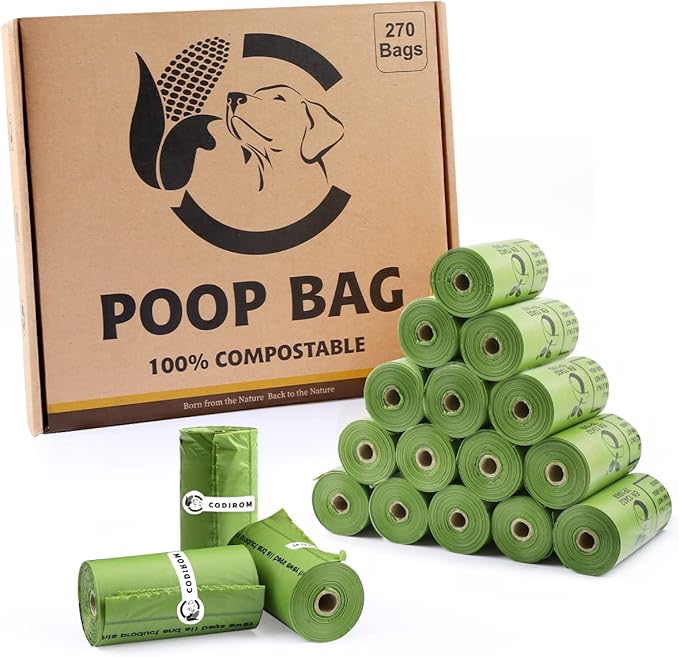
The Ultimate Guide to Eco-friendly Poop Bags For Pet Owners On The Go
Welcome to my in-depth exploration of eco-friendly poop bags—a topic that has transformed my approach to pet waste management while genuinely benefiting the environment. Over time, I’ve discovered that choosing sustainable products isn’t just a trend; it’s a thoughtful, everyday decision that resonates with both our furry companions and the planet. In this guide, I share my personal journey, scientific insights about biodegradable materials, and practical tips to integrate eco-friendly poo bags into your daily routine.
Why I Chose Eco-friendly Poop Bags and How It Changed Everything
It wasn’t until I began researching the environmental impact of traditional plastic waste that I truly understood the value of a sustainable alternative. I once considered pet waste management just another chore in my busy schedule. But the moment I learned about biodegradable and compostable options, I realized that each small change can add up to a significant improvement in our local environment.
Using eco-friendly poop bags feels like a win-win. Not only do they reduce environmental pollution, but they also contribute to a circular economy where every product is designed to return safely to nature. This personal shift has inspired me to help pet parents make informed choices that contribute to a healthier planet.
Understanding the Environmental and Health Benefits
One of the main reasons I transitioned to eco-friendly products is the robust science behind them. Traditional plastic bags are made from petroleum-based plastics that can take centuries to degrade, whereas eco-friendly alternatives rely on natural materials and advanced decomposition technology.
Biodegradability and Compostability
The secret lies in their composition:
- Biodegradable Materials: Derived from plant-based sources like cornstarch, these bags break down naturally over a short period.
- Compostable Plastics: In industrial composting facilities, these bags turn into nutrient-rich compost, making them ideal for sustainable waste management.
- Recycled Components: Some variants use recycled plastics, reducing the need for virgin material and cutting down on overall waste.
This technology not only significantly reduces landfill waste but also decreases harmful leachates that can affect soil and water quality. Additionally, using non-toxic materials means fewer irritants for our animals, providing a dual benefit: environmental protection and an assurance that no harmful chemicals are involved.
Key Advantages of Eco-friendly Poop Bags For Pet Owners On The Go
Eco-friendly poop bags offer unique advantages that reframe the way we think about a necessary daily chore. Let’s break down these benefits:
- Reduced Environmental Impact: They decompose naturally, significantly decreasing the long-term pollution caused by persistent plastic waste.
- Sustainable Resource Use: Many of these bags are manufactured from renewable resources such as cornstarch, or include recycled materials, lowering our carbon footprint.
- Improved Public Health: By minimizing harmful substances, these alternatives reduce risks to local wildlife and help maintain a healthier ecosystem.
- Portable and Convenient: Designed to be carried effortlessly, they come in roll or individual packs that fit neatly in any pet accessory pouch or your pocket.
- Odor Management: Some options incorporate natural scents or odor-masking compounds, ensuring that unpleasant smells are kept at bay.
- Strength and Durability: Despite their eco-friendly nature, these bags are engineered to be puncture-resistant and reliable.
- Social Impact: Every purchase supports companies committed to sustainable practices, amplifying the collective effort to create a greener future.
I truly believe that even small daily changes can have far-reaching, positive environmental impacts.
Real-World Testing: How My 5-Year-Old Golden Retriever Embraced the Change
Let me share a personal story. During one of my weekly walks with Baxter, my 5-year-old Golden Retriever, I introduced eco-friendly poop bags into our routine. Initially, Baxter was as curious as ever, but quickly settled into our new pattern. I noticed several positive changes:
- Curiosity Without Chaos: Baxter didn’t display any adverse reactions to the new bags. Instead, his temperament remained steady, and he seemed just as happy enjoying his outdoor adventures.
- Reliable and Safe Cleanup: The bags proved resistant to tearing, even when Baxter was having one of his lively spurts. This allowed for a hassle-free clean up, ensuring that waste was securely contained.
- Positive Reinforcement from Fellow Walkers: On one notable walk, another pet parent complimented my eco-friendly bag dispenser clipped to my leash. It sparked a conversation about sustainable choices and made me feel proud of the small step I was taking to protect the environment.
This real-world testing reassured me that eco-friendly poop bags are not only effective but also a natural extension of responsible pet care. Baxter’s calm acceptance of this change was a subtle affirmation that practical, green solutions can indeed enhance our routine walks.
Step-by-Step Instructions: Integrating Eco-friendly Poop Bags Into Your Routine
Switching to eco-friendly waste management might seem daunting at first, but here’s a simple, step-by-step process that worked well for me:
- Research and Select: Start by exploring various brands. Look for products that are certified for biodegradability and compostability. You can read more about sustainable choices on the Eco-Friendly Dog Waste page.
- Test the Product: Purchase one small pack and try it out during your next walk. Note how the bag performs under different conditions.
- Evaluate the Durability: Ensure the bag is strong enough to handle any size mess, especially if you have a larger breed or a particularly active pet.
- Factor in Portability: Choose a bag that fits neatly in a dispenser attached to your leash or easily slips into your pocket.
- Commit to the Change: Once you’re comfortable with the new system, consistently use these eco-friendly bags. The more you adopt them, the more your small actions contribute to a larger environmental benefit.
Expertise Spotlight: The Green Science Behind Eco-friendly Poop Bags
Understanding the technology behind these bags helps appreciate the difference they make. Here are some key scientific highlights:
Materials and Their Impact on the Environment
Eco-friendly poop bags are engineered from either plant-based or recycled materials, making them an excellent sustainable alternative to traditional plastics:
- Plant-Based Polymers: Materials like cornstarch are rapidly biodegradable when exposed to the right conditions. They break down into water, carbon dioxide, and biomass without leaving toxic residues.
- Recycled Plastics: By reprocessing used plastic, we conserve resources and reduce the demand for new plastic production. This process lowers energy consumption and decreases carbon emissions.
- Non-Toxic Formulations: Many eco-friendly bags undergo rigorous testing to ensure they are free from harmful chemicals, keeping both our pets and the local flora and fauna safe from potential hazards.
Health Benefits for Animals and Their Environment
The transition to compostable and biodegradable options is not only about environmental stewardship—it’s also about health. Removing toxic residues from your pet’s environment plays a crucial role in prevention of skin irritations and potential ingestion of harmful chemicals during outdoor strolls.
By reducing the accumulation of non-decomposable waste, we also decrease the risk of bacteria growth that can affect animal health. Every eco-friendly bag used is a step toward creating safer public spaces for our pets to exercise and explore.
Choosing the Right Eco-friendly Poop Bags: A Comprehensive Checklist
When you’re faced with many eco-friendly products on the market, it can be overwhelming to narrow down your choices. Here’s a straightforward checklist I follow to determine the best option for daily use:
Material Quality and Certification
- Biodegradable or Compostable? Look for products that are certified under standards like ASTM D6400 or EN 13432.
- Sustainable Sourcing: Opt for bags made from renewable materials such as cornstarch or those that include recycled plastics.
- Certifications: Verify that the product carries certifications like OK Compost or BPI Certified, which ensure industrial compostability.
Size, Strength, and Durability
- Bag Size: Choose bag sizes that are appropriate for your pet, whether you need extra-large options for bigger breeds or standard sizes for smaller dogs.
- Material Thickness: The bag should be robust enough to resist tears, especially when encountering sharp objects or rough terrain.
- Secure Seal or Handle Design: Ensure the bags have a reliable tie or handle system so you can tie them securely without worry of leaks.
Convenience and Portability
- Easy Dispensing: Whether packed in a roll or a box, the packaging should be easy to use on the go, even during brisk walks.
- Organizational Features: Bags that are designed to fit in dispensers that clip to your leash enhance overall convenience.
- Lightweight Packaging: Look for options that won’t add extra bulk when you’re carrying other pet accessories.
Price and Long-Term Value
- Cost Efficiency: While eco-friendly bags may occasionally have a higher upfront cost, their durability and social benefits often justify the investment.
- Ethical Manufacturing: Purchasing from brands committed to sustainable practices supports ongoing innovation in green technology.
- Subscription Services: Some companies offer subscriptions that deliver these products to your door regularly, ensuring you never run out when you need them most.
Real-Life Experiences and Community Impact
One of the most rewarding aspects of switching to eco-friendly poop bags is the ability to share my experience with others. I regularly engage with a community of conscientious pet parents, discussing the subtle yet substantial benefits of making the switch.
During a recent local park cleanup, I had an opportunity to discuss sustainable pet waste management with several neighbors. A few key observations from that day include:
- Increased Awareness: Many parents were inspired by the simple change and started asking where they could find eco-friendly options.
- Ripple Effect: Conversations led to more pet owners considering the long-term environmental impact, inspiring a neighborhood commitment to reducing plastic waste.
- Shared Tips and Tricks: From effective ways to store your bags to innovative dispensers, exchanging ideas created a network of practical, eco-conscious solutions.
This community spirit reminds me every day that practical, small-scale actions—like using eco-friendly poop bags—can lead to significant environmental improvements when adopted widely.
Pros & Cons: A Quick Overview of Eco-friendly Poop Bags
For those who like to see a clear breakdown, here’s my quick list of benefits and potential drawbacks:
- Pros:
- Made from biodegradable or compostable materials that naturally break down.
- Reduce long-term environmental pollution and lower your carbon footprint.
- Durable and reliable in real-world testing, even with vigorous play.
- Lightweight and designed for on-the-go use with convenient dispenser options.
- Often produced using non-toxic materials, ensuring safety for your pet.
- Support a sustainable and socially responsible industry.
- Cons:
- Typically a slightly higher price point compared to traditional plastic bags.
- May require proper disposal methods such as industrial composting, which are not available everywhere.
- Some products might vary in thickness, so occasional testing is required to find your perfect match.
Practical Tips for Using Eco-friendly Poop Bags On the Go
Integrating sustainable practices into your daily pet care routine can be seamless. Here are some pragmatic tips that I follow:
- Always Carry a Backup: Make it a habit to keep an extra roll or pocket pack in your bag or attached to your leash.
- Organize Your Gear: Use a dedicated dispenser that clips to your pet’s collar or your belt for quick access during walks.
- Dispose Responsibly: Whenever possible, dispose of compostable bags in facilities designed to handle them. Even a small effort in sorting waste can make a big difference.
- Communicate Your Choice: Share your eco-friendly experience with other pet parents—sometimes, a simple conversation can prompt a community-wide shift.
Integrating Complementary Eco-friendly Products Into Your Routine
Embracing sustainability in pet care isn’t limited to poop bags alone. Over time, I have integrated several other eco-conscious products that complement this green approach. These additions have not only enhanced my daily routine but also significantly contributed to reducing waste.
Portable Dog Waste Dispensers
These dispensers are lifesavers during outdoor adventures:
- Lightweight and easy to clip onto a leash or collar.
- Often constructed from recycled materials, reflecting a commitment to sustainability.
- Keep your eco-friendly bags neatly organized and always within reach.
Compostable Poop Bag Holders
A natural extension to the bags, these holders are crafted from materials like corn starch or recycled paper. They help ensure every component of your pet’s waste system is eco-friendly.
Bioremediation Products for Pet Waste
For those interested in a deeper environmental commitment, I explored products that accelerate waste decomposition using natural microbes. These products:
- Convert pet waste into nutrient-rich compost.
- Minimize unpleasant odors during and after disposal.
- Enhance local soil health by promoting natural breakdown.
Biodegradable Wipes
After a muddy walk, biodegradable wipes come in handy to clean your pet’s paws. They’re made from natural ingredients and decompose safely, aligning with the principles of sustainability.
Reusable Cleaning Tools
For messes that extend beyond regular pet waste cleanup, I rely on reusable tools such as:
- Steel Scoops: Made from recycled materials, offering longevity and durability.
- Durable Brooms: They reduce reliance on single-use items and are perfect for quick indoor or outdoor cleanups.
Sustainable Pet Waste Bins and Pooper Scoopers
A dedicated waste bin, crafted from recycled or biodegradable materials, can be a welcoming addition to both your home and local parks. Complement this with an eco-friendly pooper scooper designed for durability and ease of use, ensuring effective cleanup and long-term sustainability.
Creating a Community of Eco-conscious Pet Parents
One of the most gratifying parts of this journey is the sense of community built around sustainable living. I continuously engage with other pet parents to share ideas, tips, and even organize local cleanup events. Here are a few ways to foster this eco-friendly network:
- Engage Locally: Participate in or initiate community events such as park cleanups—every gathering reinforces eco-friendly behaviors.
- Social Media Outreach: Share your sustainable pet care experiences on social platforms or blogs like the Eco-Friendly Dog Waste site to spread awareness.
- Educate and Inspire: Provide practical resources or flyers detailing the benefits of eco-friendly poop bags, giving others a clear starting point to make the switch.
- Collaborative Initiatives: Form local groups that support sustainable pet waste programs and introduce recycling or composting facilities for community use.
Frequently Asked Questions About Eco-friendly Poop Bags
What makes these poop bags eco-friendly?
They are made from biodegradable or compostable materials like cornstarch and recycled plastics, which break down naturally in a short period instead of lingering in landfills.
Are they as strong as traditional plastic bags?
Yes, many eco-friendly options are engineered for durability and puncture resistance, ensuring a reliable cleanup without worrying about leaks or tears.
How should I dispose of these bags?
Depending on the product, compostable bags should ideally be disposed of in industrial composting facilities, while biodegradable ones can often be discarded in areas that allow natural degradation.
Can eco-friendly poop bags help reduce overall plastic pollution?
Absolutely. Choosing these bags decreases the accumulation of persistent, non-degradable plastic in our landfills and waterways, contributing significantly to reduced environmental pollution.
Where can I learn more about sustainable pet waste management?
For more insights, check out the resources available on the Eco-Friendly Dog Waste page, along with numerous detailed articles on blogs dedicated to eco-conscious pet care.
Tips for Turning Everyday Walks Into a Green Experience
Every pet walk is not only an opportunity for exercise but also a chance to make a positive environmental impact. Here are my top tips for ensuring that your daily routine remains green and rewarding:
- Start Small: Carry a roll of eco-friendly poop bags wherever you go. Small, consistent choices create a significant impact over time.
- Educate Yourself and Others: Continue to learn about sustainable pet products and share that knowledge with fellow pet parents. Often, a brief conversation can shift habitual practices.
- Stay Organized: Use a dedicated dispenser attached to your pet’s collar or your own belt. This practice ensures that you always have your eco