Eco-friendly Puppy Care: Sustainable Essentials for a Healthier Pet and Planet
When welcoming a new puppy into your life, every decision you make—from the food they eat to the toys they play with—has an impact. I believe in holistic, sustainable pet care that benefits both our furry friends and our environment. In this comprehensive guide, I’ll walk you through eco-friendly puppy care practices and sustainable essentials that not only keep your pet happy and healthy but also minimize our environmental footprint.
Eco-friendly Puppy Care: Sustainable Essentials in Food, Water, and Nutrition
Feeding your puppy is one of the most important responsibilities you hold. Organic, non-toxic ingredients and responsibly sourced products should be at the heart of every feeding routine. Here’s how I approach nourishing puppies with care:
Choosing Organic and Non-Toxic Food Options
I take nutrition seriously—not only does it support strong growth, but it also influences the quality of life your puppy enjoys. Organic dog food means no synthetic fertilizers, pesticides, or GMOs. As a holistic veterinarian, I recommend foods that feature:
- Whole proteins: Chicken, beef, or fish with a clear source.
- Natural vegetables: Sweet potatoes, carrots, and greens that are packed with fiber and essential vitamins.
- Complex carbohydrates: Options like brown rice or oats which provide energy without excessive processing.
When switching foods, I suggest a gradual transition over the course of 7-10 days to avoid digestive upset:
- Mix a small amount of the organic food with your puppy’s current diet.
- Increase the proportion of the new food gradually while reducing the old one.
- Monitor your puppy’s reaction carefully throughout the transition.
This step-by-step approach ensures a smooth change to sustainable options that are gentle on both your pet’s tummy and the environment.
Water Solutions That Reduce Waste
Often overlooked, the choice of water bowls is also an essential part of eco-friendly puppy care. Instead of plastic bowls that degrade over time and contribute to waste, I advocate for:
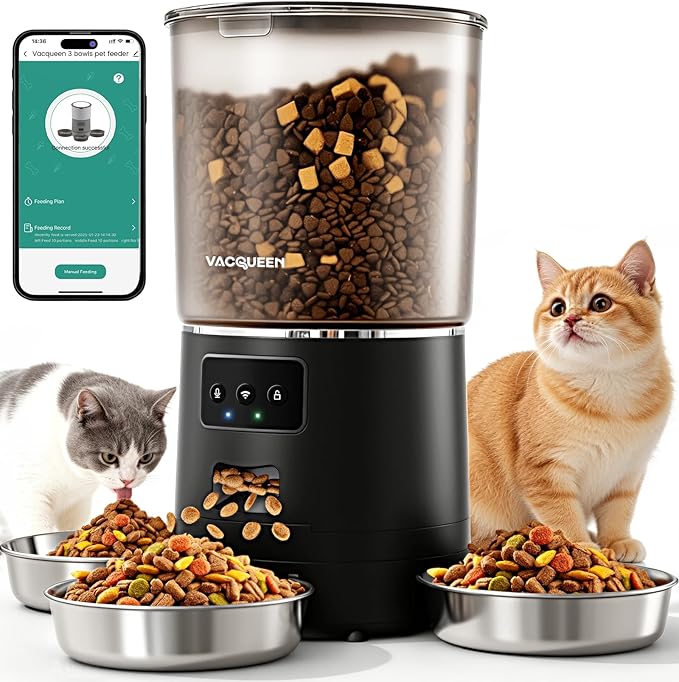
- Stainless steel bowls: Durable, easy to clean, and recyclable.
- Ceramic or glass bowls: Ideal for their longevity and non-reactive surfaces, ensuring no chemicals enter your puppy’s water.
Choosing a quality water dish not only protects your pet but also helps reduce the ecological impact of single-use plastics.
Eco-friendly Puppy Care: Sustainable Essentials in Bedding, Toys, and Enrichment
Sustainable living starts with the products we choose every day. When it comes to items like bedding and toys, consider options that are kind to nature and safe for your puppy.
Sustainable Bedding and Comfort Products
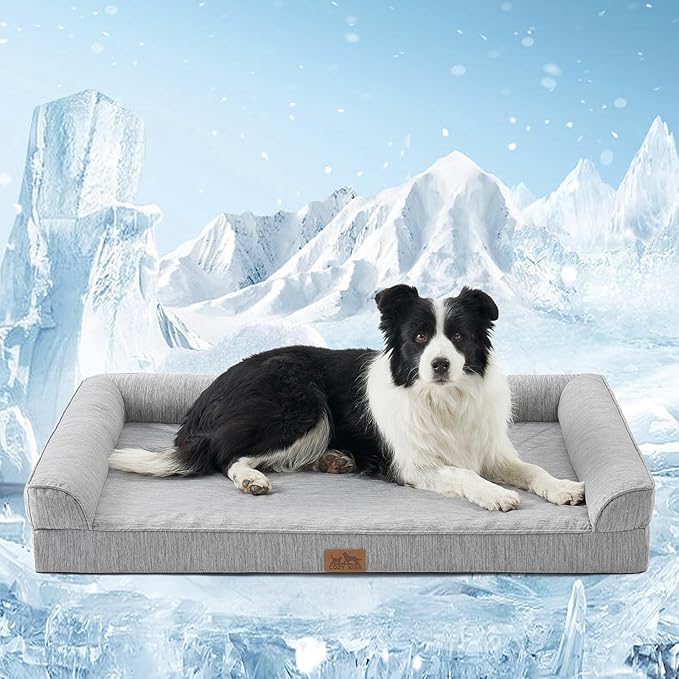
Puppies need a cozy space to rest, and the materials used in their bedding matter. I often recommend:
- Organic cotton: Soft, durable, and pesticide-free.
- Hemp and bamboo fabrics: Naturally resistant to pests, these materials reduce the reliance on synthetic alternatives.
Additionally, look for bedding filled with recycled materials or natural fibers like kapok. Avoid synthetic foams that do not decompose. Regular washing with eco-friendly detergents will maintain a healthy space for your pet, while air-drying extends the lifespan of the fabrics.
Eco-Conscious Toys and Enrichment Items
Puppies love to play and explore. Conventional toys made from plastics and synthetic materials carry a heavy environmental toll. Instead, consider these sustainable alternatives:
- Biodegradable rubber toys: Made from natural rubber, these toys decompose when worn out.
- Organic cotton rope toys: Safe for chewing and can be unraveled and composted once no longer suitable.
- Reclaimed wood toys: Provide a natural chewing option while reducing waste.
Step-by-Step Instructions for Rotating Toys:
- Sort through your current toy collection and set aside any that are not eco-friendly.
- Select two or three natural material toys and introduce them gradually.
- Rotate the toys every week to maintain your puppy’s interest and ensure even wear.
This system of selective rotation not only keeps your pet engaged but also limits the number of items you need to buy, reducing overall consumption.
Biodegradable Toys and Natural Materials in Playtime
When opting for biodegradable toys, make sure they can handle your puppy’s chewing habits without breaking apart into potentially harmful pieces. I’ve learned from experience that natural rubber and hemp rope are excellent choices. They not only satisfy the need to chew and play but also break down naturally at the end of their life cycle.
Real-World Testing:
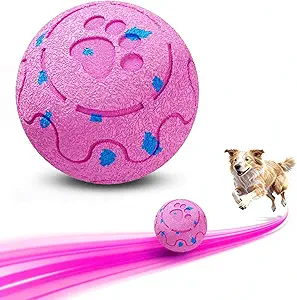
Let me share a story about Luna, a 5-year-old Golden Retriever, who transitioned to eco-friendly toys. Luna initially chewed on a plastic ball, which soon showed signs of wear and small pieces falling off. Once her family switched to a natural rubber toy made from biodegradable materials, Luna not only enjoyed her new chew toy but her playful energy seemed even higher. Luna’s toy wore evenly and safely decomposed over time, highlighting how these choices support both pet health and environmental responsibility.
Eco-friendly Puppy Care: Sustainable Essentials in Grooming and Health
Grooming isn’t just about keeping your puppy looking good; it’s about using products that maintain their health and respect our natural world. Here’s my holistic approach to sustainable grooming:
Sustainable Grooming Products and Practices
Many traditional pet shampoos and conditioners contain harsh chemicals like sulfates, parabens, and synthetic fragrances that can irritate a puppy’s delicate skin. I prefer eco-friendly alternatives made from natural ingredients:
- Plant-based shampoos: With ingredients such as oatmeal, aloe vera, and coconut oil.
- Conditioners: That naturally moisturize without the use of artificial additives.
Not only do these products clean effectively, but they also break down naturally, reducing their impact on aquatic ecosystems. By choosing these shampoos, you’re caring for your puppy and protecting waterways.
Sustainable Grooming Tools for Long-Term Use
Beyond shampoos, the grooming tools you select matter significantly. Here are my top picks:
- Bamboo brushes and combs: Bamboo is not only durable and antimicrobial but also a renewable resource.
- Stainless steel grooming tools: Combs and clippers that keep their edge without producing unnecessary waste.
- Microfiber towels: Made from recycled materials, they are perfect for quick drying and reduce water usage.
Step-by-Step Instructions for an Eco-Friendly Bath Time:
- Brush your puppy thoroughly before the bath to remove loose fur and reduce water usage.
- Fill the tub with just enough lukewarm water for a gentle wash.
- Use a small amount of natural, biodegradable shampoo and work it into a lather.
- Rinse efficiently with water saved by a low-flow showerhead.
This efficient routine protects both your pet’s skin and our natural resources.
Always consult with your veterinarian before introducing new grooming products, especially if your puppy has sensitive skin or allergies. Ensure any product you choose is specifically designed for the delicate balance of a puppy’s coat and skin.
Expertise on Eco-friendly Materials and Their Benefits
The focus on biodegradable and naturally sourced materials in grooming products is not merely a trend—it’s backed by science. Natural ingredients decompose without leaving persistent toxins, and materials like bamboo not only last long but are also renewable. These choices protect local ecosystems and reduce global waste, contributing to a healthier planet. Additionally, non-toxic products ensure that your pet remains free of harmful chemicals that could otherwise accumulate in their system over time.
Eco-friendly Puppy Care: Sustainable Essentials in Training and Toys
Training supplies are key to helping your puppy learn, and sustainable options mean you can do this while ensuring your ecological footprint is minimized. Homemade training treats are a fantastic way to customize what your puppy eats while eliminating excess packaging.
Homemade Training Treats and Eco-Friendly Play Options
I encourage creating homemade treats using organic ingredients. Not only does this reduce packaging waste, but it also means you know exactly what is going into your puppy’s diet. Consider:
- Simple recipes: Cooked chicken, sweet potato, and a dash of natural herbs for flavor.
- Eco-conscious toys: Wooden balls or rope toys made from natural fibers that are biodegradable.
These choices are healthier and more engaging, combining training with the values of eco-friendly puppy care.
Pros & Cons: Eco-friendly Training Tools and Treats
Pros:
- Supports sustainable agriculture and production methods
- Reduces exposure to harmful chemicals
- Minimizes packaging waste and lowers overall environmental impact
- Encourages creative, homemade alternatives
Cons:
- May require extra preparation time for homemade treats
- Initial cost might be higher for certified organic products
- Availability can sometimes be limited in local stores
Developing a Long-Term Sustainable Routine: Eco-friendly Puppy Care: Sustainable Essentials in Action
Building a sustainable routine is about taking small, manageable steps. As you gradually introduce eco-friendly products into your puppy’s life, you create a ripple effect that influences those around you. My strategy for establishing an eco-friendly routine is both practical and heartfelt.
Real-World Testing: A Success Story
Let me share an experience involving Buddy, a playful 5-year-old Golden Retriever. Buddy’s family made a commitment to switch to sustainable products—ranging from biodegradable toys to organic food—and the results were remarkable. Not only was Buddy healthier and more energetic, but the family also reported fewer trips to the vet for minor skin irritations. Buddy thrived on natural chewing toys and even seemed to enjoy the new textures and flavors of his organic meals. This transformation reinforces that eco-friendly puppy care can deliver both immediate and long-term benefits.
Step-by-Step Instructions to Transition to a Sustainable Routine
- Assess your current supplies: Make a list of all pet products currently in use.
- Identify what can be replaced: Focus on food, bedding, grooming supplies, and toys first.
- Research eco-friendly alternatives: Look for organic, biodegradable, or recycled options. For more detailed guidance, visit our internal resource on low waste pet care.
- Introduce changes gradually: Start with a couple of products and add more over time.
- Monitor your pet: Pay attention to signals like improved energy, better coat condition, or reduced allergens.
- Share your experience: Engaging with a community of eco-conscious pet lovers can spread awareness and foster shared learning.
Eco-friendly Puppy Care: Sustainable Essentials for Waste Management and Cleanup
Even the unavoidable byproducts of pet ownership—waste and cleanup—can be managed in a sustainable way. Handling pet waste responsibly minimizes the ecological impact while also supporting a cleaner environment.
Sustainable Waste Management Solutions
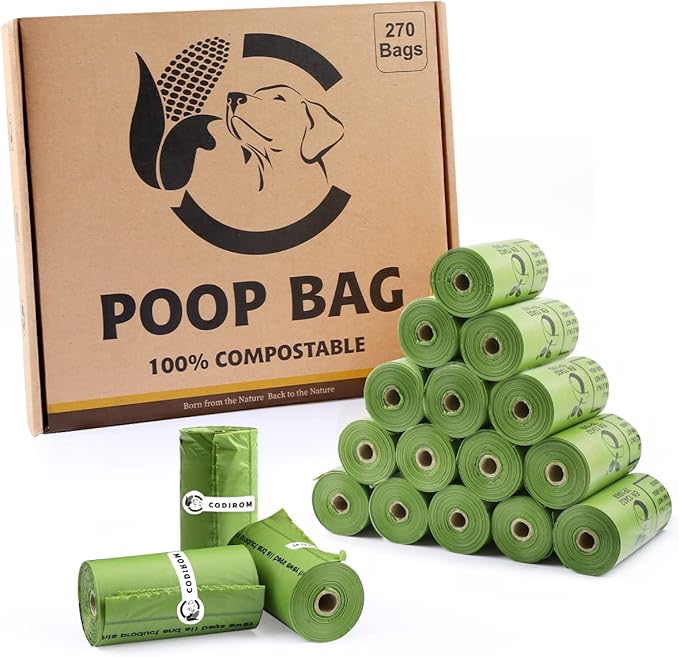
Traditional plastic poop bags take centuries to break down. I always recommend biodegradable bags as a straightforward switch that makes a significant difference. Here’s how to manage waste sustainably:
- Use compostable pet waste bags: They break down naturally, reducing landfill time.
- Consider composting solid waste: Some communities offer pet waste composting systems.
- Maintain a dedicated bin: A waste bin with a lid near the training area can help contain odor and waste until proper disposal.
Pros & Cons for Sustainable Waste Management
Pros:
- Reduces long-term plastic pollution
- Minimizes environmental toxins entering nature
- Encourages community-based recycling programs
Cons:
- May require a change in routine for disposal
- Limited availability in some areas
Eco-friendly Puppy Care: Sustainable Essentials in Creating a Supportive Community
Beyond our own homes, sustainable choices influence community practices and even global industries. When more pet parents opt for eco-friendly puppy care, manufacturers respond by providing higher quality, greener options. Sharing these practices can inspire others to adopt similar habits for a healthier environment.
Actionable Tips for Spreading Eco-Friendly Puppy Care
- Join local pet communities: Participate in environmentally focused pet groups where experiences and tips are shared.
- Recommend eco-friendly products: When friends or family ask for pet care advice, mention the sustainable options you use.
- Engage with online communities: Write reviews or blog posts about your journey into eco-friendly puppy care.
These engaging steps build a network of passionate pet parents who prioritize environmental values. This ripple effect contributes to broader industrial changes—noticeably reducing packaging waste, chemical runoff, and overall carbon footprints.
FAQs
How do I begin transitioning to eco-friendly puppy care?
Start by replacing one or two items in your pet’s routine—such as switching to organic food or biodegradable waste bags—and gradually introduce more sustainable products over time.
Are eco-friendly products as effective as conventional ones?
Yes, many natural alternatives are just as effective, and often they provide additional benefits such as being gentler on your puppy’s skin or contributing to a healthier environment.
What are the most important eco-friendly essentials for a new puppy?
Focus on organic food, sustainable water dishes, biodegradable toys, natural grooming products, and recycling-friendly waste management supplies.
Will sustainable products cost me more?
While some eco-friendly items might have a higher upfront cost, the longevity and health benefits they provide often make them a better investment in the long run.
How does eco-friendly puppy care affect the environment?
By choosing organic foods, biodegradable materials, and waste-minimizing practices, you reduce chemical runoffs, landfill waste, and support industries that prioritize environmental protection.
Final Thoughts: Eco-friendly Puppy Care: Sustainable Essentials
Embracing eco-friendly puppy care is more than just a trend—it’s a commitment to nurturing our pets with sustainable essentials that protect their health and our planet. I approach these practices with warmth, practicality, and a clear focus on the well-being of both animals and the environment.
Every step—from switching to organic, non-toxic food options and biodegradable toys to establishing a routine that minimizes waste—creates profound long-term impacts. By choosing sustainable bedding, eco-conscious grooming products, and natural play items, I’ve seen dramatic improvements in pet health and energy levels, as well as a significant reduction in environmental footprint.
Why Choose Eco-friendly Puppy Care: Sustainable Essentials?
My passion for sustainable pet care is driven by the real-life benefits I’ve witnessed. Through years of experience, I’ve seen that:
- Improved pet health: Natural feeding and grooming lead to shinier coats and fewer allergic reactions.
- Long-term savings: Durable, sustainable products last longer, reducing replacement costs.
- Community influence: When you demand eco-friendly products, companies innovate to provide greener options that benefit everyone.
Embracing a Greener Future
Transitioning to sustainable pet care is a journey. Early on, I, too, felt overwhelmed by the myriad of choices. But as I slowly began to integrate eco-friendly essentials into my routine—starting with food and water solutions, moving on to biodegradable toys and natural grooming products—I discovered a path that was both rewarding and aligned with my environmental values.
I encourage every pet parent to embrace these changes. They’re not about perfection—they’re about making thoughtful choices. Each decision to opt for a biodegradable toy or an organic food option has a ripple effect, contributing to a cleaner and healthier planet for all.
Remember, even small changes matter. Over time, your new routine will become second nature, and you’ll notice improved health in your pet and reduced stress about environmental harm. This journey is one of continuous growth, learning, and community support.
A Word on Sustainability and Responsible Pet Ownership
Sustainable puppy care is at the intersection of animal welfare and environmental science. As someone who has spent years studying animal biology and material science, I can confidently say that the benefits of non-toxic, biodegradable, and organically produced pet care products extend far beyond cost savings. They are investments in the longevity, health, and vitality of your pet. When you choose eco-friendly practices, you are contributing to reducing microplastics and chemical pollutants, helping preserve our water supply and natural resources.
Wrapping Up
In conclusion, eco-friendly puppy care is not a luxury—it’s a necessity for a sustainable future. By integrating sustainable food options, environmentally conscious water solutions, biodegradable toys, natural grooming products, and responsible waste management into your routine, you ensure that your pet grows up in a nurturing, healthy environment that respects the planet.
Whether you are just beginning your journey or are looking to refine your routine, remember to take small steps and build on your successes. Every eco-friendly decision, however minor it may seem, contributes to a larger, global effort to safeguard our environment for the next generation of pet parents and their beloved animals.
Thank you for joining me on this journey. Each sustainable choice you make is a tribute to a healthier, happier life for your puppy and our planet—a legacy worth sharing, one eco-friendly step at a time.