Eco-friendly Way To Create A Pet-friendly Mudroom: A Sustainable Approach for Happy Pets and Homes
Hello, friends. I’m excited to share with you a comprehensive guide on designing a mudroom that is both eco-friendly and pet-friendly. In this article, we will explore sustainable materials, creative storage ideas, and practical design tips for building an entry space that caters to your pets’ needs while respecting our planet.
Why an Eco-friendly Way To Create A Pet-friendly Mudroom Matters
I’ve been a holistic veterinarian and a sustainable pet lifestyle consultant for years, and I’ve seen firsthand how a well-designed mudroom can transform your pet’s well-being and simplify daily routines. Whether you’re tired of muddy paw prints or constantly battling clutter, rethinking your mudroom setup can be a game-changer. Not only does it offer a designated space for your furry friends, but it also ensures that every material you choose benefits the environment.
The Environmental Impact and Pet Health Benefits
When you make eco-friendly choices in your mudroom design, you’re investing in:
- Biodegradable and non-toxic materials: Reducing chemical exposure for your pets.
- Durability: Long-lasting products that minimize waste and need for replacements.
- Sustainable sourcing: Materials like reclaimed wood, cork, and bamboo that maintain natural resources for future generations.
This translates to fewer irritants for your pet’s skin and paws, less environmental impact, and overall savings on both time and expense. It’s a win-win!
Eco-friendly Flooring: The Foundation of Your Pet-friendly Mudroom
Flooring is the unsung hero in any mudroom design. When I first remodeled my own space, I experimented with several materials before landing on options that truly deliver on sustainability while coping with all the mess pets can create.
Sustainable Flooring Choices for an Eco-friendly Way To Create A Pet-friendly Mudroom
Here are some of my top picks:
- Cork Flooring: Harvested from cork oak trees whose bark naturally regenerates, cork is renewable, antimicrobial, and water-resistant. Its cushiony feel makes it perfect for pets who love resting on soft surfaces.
- Bamboo Flooring: Bamboo grows rapidly and is incredibly durable. It withstands scratches and is harder than many hardwoods, making it ideal for high-traffic areas like mudrooms.
- Reclaimed Wood: Salvaged from old buildings or furniture, reclaimed wood provides a unique, rustic look and prevents waste. When sealed with non-toxic finishes, it becomes a sturdy option that stands up to mud and moisture.
- Polished Concrete: Though concrete isn’t renewable, it boasts exceptional durability and low long-term maintenance costs. Sealed properly with eco-friendly sealers, it will keep up with even the most energetic pets.
- Recycled Rubber Tiles: Made from reclaimed rubber, these tiles are slip-resistant, comfortable on paws, and fantastic for heavy traffic households.
Each of these choices helps reduce your ecological footprint while providing a resilient surface that’s easy to clean.
Step-by-Step Instructions for Installing Sustainable Flooring
- Measure your space: Determine the total square footage of your mudroom.
- Select your material: Evaluate which flooring option fits your lifestyle and eco-values best.
- Prepare the subfloor: Ensure it is level, clean, and dry. A well-prepared subfloor guarantees great adhesion and longevity.
- Install the flooring: Follow the manufacturer’s guidelines for installation, whether it’s click-lock bamboo or floating cork panels.
- Seal and protect: Use water-based polyurethane or natural oil finishes to protect your floor from moisture and stains.
Pros & Cons of Different Flooring Options
- Pros of Cork:
- Renewable and natural
- Water-resistant and antimicrobial
- Comfortable underfoot for pets
- Cons of Cork:
- May dent under heavy furniture or very sharp claws
- Requires regular maintenance
- Pros of Bamboo:
- Fast growing and renewable
- Scratch-resistant
- Stylish and modern look
- Cons of Bamboo:
- Sensitive to humidity if not properly sealed
- Can craze in very cold conditions
- Pros of Reclaimed Wood:
- Unique character and history
- Minimizes waste by reusing materials
- Eco-friendly when finished with non-toxic sealants
- Cons of Reclaimed Wood:
- May require more effort to source quality pieces
- Potential for uneven surfaces
Walls and Water-Resistant Protection for a Healthy Mudroom
After installing sustainable flooring, protecting your mudroom walls from pet messes remains a priority. I like using eco-friendly solutions that not only preserve the integrity of the space but also contribute positively to your pet’s environment.
Eco-friendly Wall Protection Methods
Consider the following techniques:
- Low-VOC Paints: I prefer water-based paints with low volatile organic compounds (VOCs) that minimize chemical emissions while offering excellent moisture resistance. They come in a variety of colors and finishes, so you don’t have to sacrifice beauty for functionality.
- Reclaimed Wood Wainscoting: Adding reclaimed wood panels not only lends charm to your mudroom but also provides durable protection against muddy paws. The wood’s natural texture hides minor scuffs and marks, making it easier to maintain an attractive space.
- Bamboo Paneling: Bamboo panels are another sustainable option that resists water damage and provides a warm, natural look.
- Shiplap or Beadboard: These materials create a cozy, cottage-like feel and are easy to clean when applied with eco-friendly finishes.
Step-by-Step Guide to Eco-Friendly Wall Protection
- Clean surfaces thoroughly: Before application, ensure walls are free of dust and grease.
- Choose your protective finish: Decide between low-VOC paints or reclaimed wood panels depending on your design style.
- Apply the treatment: Use rollers or brushes for uniform application. For wood panels, secure them properly using recycled fasteners.
- Allow for proper drying time: Ensure adequate ventilation during drying to reduce VOC buildup.
- Enjoy your new wall design: Your space is now better equipped to handle everyday messes while staying eco-friendly.
Smart Storage Solutions for an Organized Mudroom
An organized space is key to managing daily clutter caused by pet supplies, leashes, and outdoor gear. I’ve experimented with numerous storage solutions that are easy to clean, stylish, and kind to our planet.
Eco-friendly Storage Materials and Ideas
Here’s how you can incorporate sustainable storage into your mudroom:
- Reclaimed Wood Shelving: These shelves not only look unique but are also incredibly sturdy and reduce waste.
- FSC-Certified Plywood: Offers a reliable and sustainable solution for building custom cabinets and closets.
- Recycled Metal Racks: Durable and long-lasting, these provide excellent storage for hanging coats and leashes.
- Natural Fiber Baskets: Baskets made of seagrass, jute, or woven reed are biodegradable and add warmth to your space. They’re perfect for storing pet toys, cleaning supplies, or even as a comfy bed for your furry friend.
Step-by-Step Instructions for Creating an Organized Mudroom
- Designate Zones: Separate your mudroom into distinct areas for pet supplies, family items, and seasonal gear.
- Install Hooks and Hangers: Use recycled metal or bamboo hooks for leashes, coats, and bags. Mount them at different heights for maximum accessibility.
- Add Open Shelves: Floating shelves crafted from sustainable wood allow you to display baskets and containers, keeping everything visible.
- Create a Bench with Underneath Storage: A built-in bench offers seating while hiding away extra supplies. Look for designs that incorporate reclaimed wood.
- Label Everything: Use clear, eco-friendly labels so every item has its designated spot, making daily routines smoother.
Pros & Cons of Smart Storage Solutions
- Pros:
- Reduces clutter and saves time searching for items
- Organized spaces reduce stress and minimize mess
- Eco-friendly materials ensure a healthier environment for everyone
- Cons:
- Initial design and planning take time
- May require occasional adjustments as life and pet needs change
Doors, Windows, and Ventilation: Letting Nature In
Natural light and good ventilation are crucial for keeping your mudroom bright, dry, and odor-free. I always make sure to include plenty of windows or glass doors, which not only invite natural light but also reinforce an eco-friendly way to create a pet-friendly mudroom.
Enhancing Light and Air Flow
Consider these tips:
- Install Glass Doors and Windows: These allow light to enter and create a feeling of openness, making the space more inviting.
- Use Energy Star Ventilation Fans: Ensure your mudroom is well-ventilated with an exhaust fan that is energy efficient and effective at reducing moisture buildup.
- Open Windows Regularly: Natural ventilation not only removes odors but also minimizes reliance on chemical air fresheners.
Step-by-Step Ventilation Improvements
- Assess your mudroom’s airflow: Identify any areas of stagnant air or high moisture.
- Install a window that opens: This provides natural air circulation.
- Mount an Energy Star exhaust fan: For mechanical ventilation when natural airflow isn’t enough.
- Maintain regular cleaning: Dust and dirt buildup can compromise ventilation efficiency, so keep vents and fans clean.
Practical Pet-friendly Features for Everyday Ease
An optimal mudroom design takes into account the practical needs of your pets. Over the years, I have seen simple modifications that not only save time on cleanup but also offer a little luxury for our four-legged companions.
Designing a Functional Pet Wash Station
Installing a low sink or wash station in your mudroom is an innovative way to rinse muddy paws before your pet enters the main living areas. Consider these points:
- Water-saving Fixtures: Choose low-flow taps and faucets to conserve water while keeping cleanup easy.
- Accessible Drainage: Ensure there is a proper drain mechanism that directs water outside to avoid pooling.
- Dedicated Pet Area: Create a small zone specifically designed with pet-safe surfaces and easy cleanup.
Step-by-Step Guide to a Pet Wash Station
- Determine the location: Place the wash station near the mudroom door for convenience.
- Install a low sink or basin: Make sure it’s at a comfortable height for rinsing paws.
- Add a water-saving fixture: Fit a low-flow showerhead or gentle faucet that minimizes water waste.
- Direct drainage properly: Incorporate a floor drain that channels water outside or to a garden area.
Additional Pet-friendly Touches
- Absorbent Mats: Use washable mats made from natural rubber, jute, or recycled materials at the entry points to trap water and dirt.
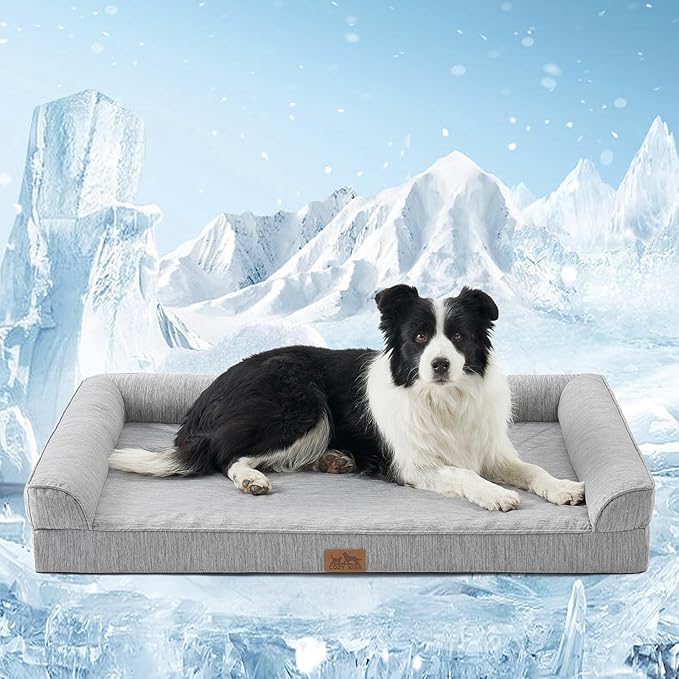
- Safe, Comfortable Bedding: A designated pet bed made from organic cotton or recycled fibers can give your pet a comfortable resting area while keeping the mudroom tidy.
- Hooks and Hangers: From bamboo or reclaimed metal, they provide an accessible way to hang leashes, coats, or pet gear.
Real-World Testing: A Golden Success Story
I’d like to share a real-life experience to illustrate the effectiveness of an eco-friendly way to create a pet-friendly mudroom. My neighbor installed many of these sustainable features in her mudroom for her 5-year-old Golden Retriever, Max.
Max, an energetic and playful companion, initially had trouble with slippery surfaces and cluttered spaces. After switching to bamboo flooring sealed with a non-toxic finish, adding natural fiber mats, and organizing his toys and leashes with reclaimed wood shelves, we noticed a remarkable difference:
- Fewer accidents: Max’s paws stayed cleaner, reducing the need for frequent baths.
- Improved mobility: The slip-resistant flooring provided better traction, easing his movements, especially on rainy days.
- Less stress on cleanup days: An organized mudroom meant both Max and his family enjoyed a calmer, more functional space.
This is just one example that proves sustainable designs can truly enhance both pet behavior and overall wellness.
Budget-Friendly Eco-friendly Solutions You Can Start Today
Worried that building an eco-friendly pet-friendly mudroom might cost a fortune? Think again. Over time, I’ve learned that many sustainable solutions are not only beneficial for the environment and your pet’s health but also remarkably budget-friendly. Let’s break down some simple, cost-effective changes you can implement immediately.
Affordable Flooring Alternatives
The floor is the foundation of your mudroom. Here are some wallet-friendly options:
- Cork Flooring: Easy to install, naturally water-resistant and gentle on paws. It’s an upgrade that pays off as it prevents frequent re-dos.
- Reclaimed Wood: Often available at a discount from salvage yards or secondhand stores, reclaimed wood brings personality and sustainability into your home.
- Polished Concrete: A long-lasting option that, with the right eco-friendly sealants, is both practical and low-cost.
Eco-friendly Storage on a Budget
You can organize your mudroom without spending a lot:
- Thrifted Furniture: Transform secondhand benches, shelves, or baskets with water-based, non-toxic finishes. Check out local thrift stores or online marketplaces for hidden gems.
- DIY Projects: Upcycle cardboard boxes or wooden crates. With a bit of creativity, these become stylish storage units while keeping waste at bay.
- Reused Containers: Repurpose glass jars or recycled metal bins to store pet treats, supplies, and cleaning tools. This approach not only saves money but also minimizes new plastic purchases.
Step-by-Step DIY Storage Upgrade
- Gather materials: Start with recycled or reclaimed wood for shelves and secondhand baskets.
- Plan your layout: Sketch out zones in your mudroom for pet supplies, family gear, and seasonal items.
- Install hooks and shelves: Use recycled metal hooks and reclaimed wood shelves to maintain an eco-friendly standard.
- Label containers: Clearly marking each container helps family members know where everything belongs.
- Enjoy your organized space: Experience the ease of a clutter-free mudroom that saves time, money, and environmental resources.
Pros & Cons of Budget-Friendly Eco Upgrades
- Pros:
- Low upfront costs with long-term savings
- Reduces waste by using recycled and reclaimed materials
- Easy to implement and modify as needed
- Cons:
- DIY projects may require extra time and effort
- May need occasional touch-ups or refinishing
Safety First: Ensuring a Healthy Environment for Pets
Safety First
When choosing materials for your mudroom, remember that safety is paramount. Here are some tips:
- Non-toxic Finishes: Always choose water-based, low-VOC finishes to prevent harmful chemical exposure.
- Proper Ventilation: Ensure that the space is well-ventilated to avoid buildup of mold or off-gassing from products.
- Rounded Edges and Non-slip Surfaces: Especially in areas where pets play and run, avoid sharp corners and opt for non-slip treatments.
Incorporating Natural Light and Air for a Vibrant Mudroom
Embracing natural elements not only enhances the design but contributes to a healthier space. Natural light and proper airflow help reduce odors, keep surfaces dry, and create a cheerful atmosphere. I always recommend incorporating as many windows as possible and utilizing energy-efficient LED lighting. This light approach energizes your pet-friendly mudroom while lowering energy costs.
Step-by-Step Natural Light and Air Integration
- Assess your Space: Identify walls that can accommodate windows or glass doors.
- Choose Energy-efficient Fixtures: Install LED bulbs and Energy Star fans.
- Ensure Proper Cleaning: Regularly clean windows and vents to maintain maximum light and airflow.
- Add Indoor Plants: Use potted spider plants or bamboo palms to naturally purify the air while adding a touch of green.
Real-World Testing: How My Neighbor’s Golden Retriever Thrived
Let me tell you about Max, a 5-year-old