Eco-friendly Way To Manage Pet Odors In A Small Apartment: A Holistic Approach
Welcome to my guide on the Eco-friendly Way To Manage Pet Odors In A Small Apartment. Living with pets in a cozy living space demands practical, sustainable, and non-toxic solutions that truly work. I’ve worked with many pet families, including my own, and discovered that natural cleaning ingredients and habits can transform your apartment into a safe, fresh-smelling haven that benefits both your pet’s health and our environment. In this guide, I’ll walk you through tested methods, step-by-step instructions, pros and cons, and even share a real-world example involving a 5-year-old Golden Retriever. Let’s dive in!
Understanding the Roots of Pet Odors
Before we jump into eco-friendly cleaning methods, it’s essential to understand where those stubborn pet odors come from. In small apartments, limited air circulation means smells from pet accidents, dander, sweat, and even natural body oils can become concentrated. Breaking these odor cycles at the source is vital. Over time, these smells not only become an annoyance but can also lead to a compromised living environment.
Identifying Common Sources of Odors
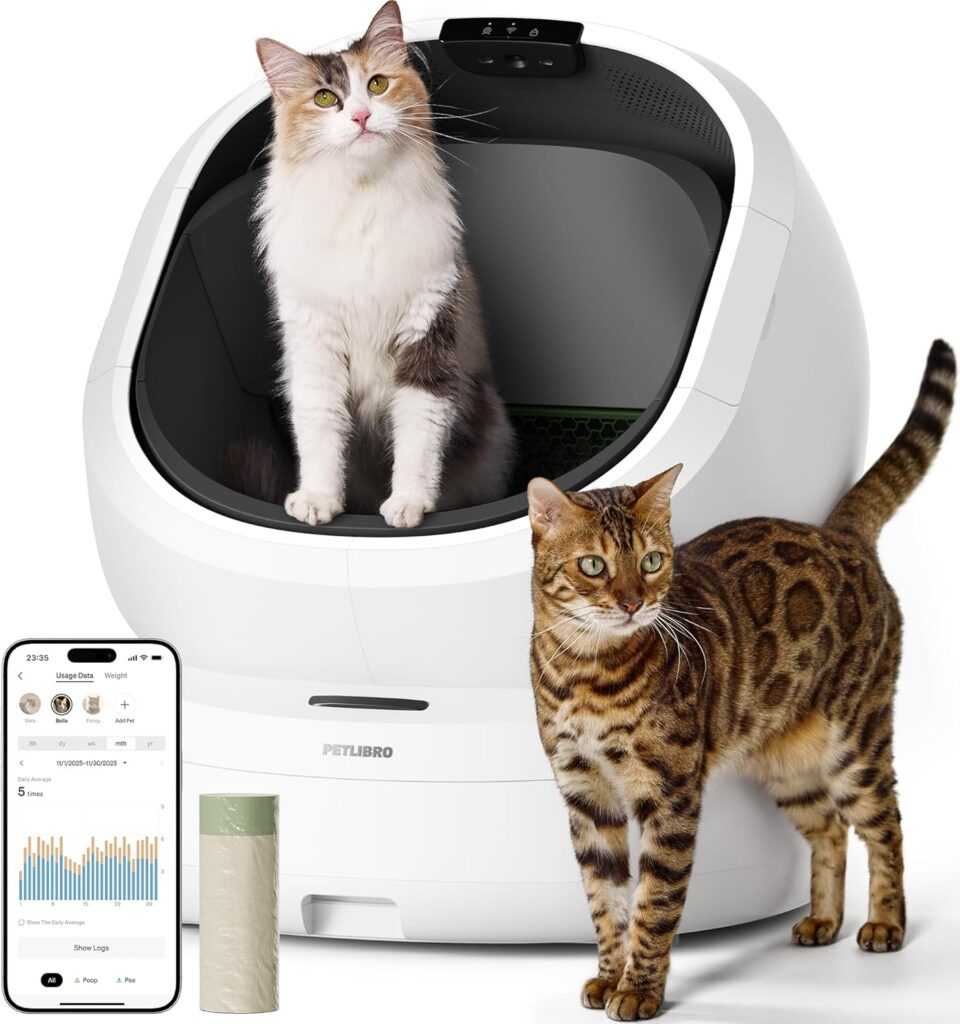
- Litter Boxes: A primary odor source, especially if upkeep is infrequent.
- Pet Bedding: Fabrics absorb sweat and dander, causing persistent smells.
- Carpets and Upholstery: These surfaces trap hair, dirt, and spills.
- Accidents and Spills: Even tiny spots, if not cleaned immediately, can explode into noticeable odors.
Each source requires a targeted, eco-friendly way to manage pet odors in a small apartment that is not only effective but safe for both your pet and your living space.
Natural Solutions for Eliminating Pet Odors
I love using everyday kitchen ingredients to make natural cleaners. They work wonders without exposing your pets to harsh chemicals. Here, I’ll discuss some of my favorite natural solutions.
Baking Soda: The Ultimate Natural Deodorizer
Baking soda is my go-to remedy for neutralizing odors. Not only does it absorb smells, but it also does so without masking them. This means you are eliminating the odor at its root.
- How It Works: Baking soda chemically binds with odor molecules, taking them out of the air.
- Application: Sprinkle it generously on pet bedding, carpets, rugs, and upholstered furniture. Let it sit for 15 to 30 minutes and then vacuum it up.
- Enhanced Version: For extra punch, mix one cup of baking soda with 10-15 drops of essential oil (lavender, lemon, or eucalyptus are great choices). Store this mixture in a container with perforated lids, shake gently, and sprinkle over problem areas.
This method is especially powerful in small apartments where air circulation is minimal, ensuring that every hidden corner gets some attention.
White Vinegar: A Versatile, Non-toxic Cleaner
Next up is white vinegar—a staple in eco-friendly cleaning. Its acidic nature helps neutralize pet odors, and with proper dilution, it’s safe for most surfaces.
- DIY Vinegar Solution: Mix equal parts white vinegar and water in a spray bottle.
- Usage: Lightly mist over fabrics, pet bedding, and even hard surfaces like floors. As it dries, the vinegar scent evaporates, taking pet odors with it.
- For Stubborn Areas: Sprinkle baking soda over carpets first, then lightly spray the vinegar solution to create a natural fizzing reaction that tackles deep-seated odors. Allow it time to dry before allowing pets or heavy foot traffic.
Activated Charcoal: Continuous Odor Control Without Chemicals
Activated charcoal is another eco-friendly solution I highly recommend. It acts like a magnet for odor molecules and continuously cleans the air.
- Usage: Place small bowls or open containers of activated charcoal in corners, under furniture, or near litter boxes.
- Maintenance: Replace or refresh the charcoal every few weeks to keep its odor-absorbing properties active.
- Benefits: It’s completely non-toxic, making it perfect for households with pets and children.
Essential Oils and Their Role in Natural Odor Control
Essential oils not only add a pleasant aroma but can also provide antibacterial benefits. When used correctly, they form part of an effective odor management routine.
- Creating a Spray: Combine two cups of water with 10 drops of your favorite essential oil (such as lavender or lemon) in a spray bottle for a natural deodorizing mist.
- Diffusing: Use a diffuser with natural materials like ceramic or glass to spread a subtle fragrance across the room without harmful chemicals.
- Note: Always ensure the essential oils chosen are safe for your specific pet species. Check with resources like the Eco Paw Pet Health & Environment guide for safety tips.
Daily Habits for a Fresh-Smelling Apartment
The real difference in odor control comes from adopting consistent daily habits. The following routines are simple, effective, and integrate perfectly with your eco-friendly approach.
Morning Litter Box Maintenance
If your home is graced by a cat’s presence, start your day by attending to the litter box. This small task prevents the build-up of ammonia and ensures that unpleasant smells don’t take hold.
- Daily Scoop: Take five minutes each morning to remove clumps and waste.
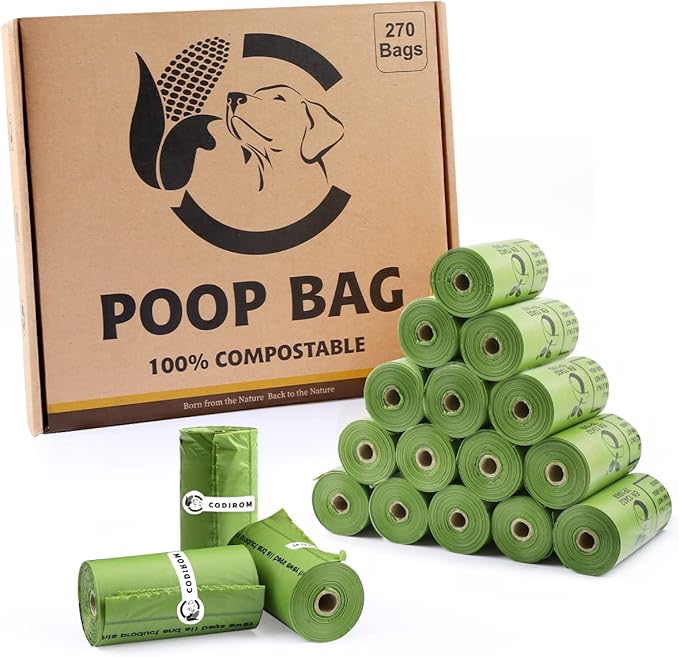
- Eco-Friendly Tip: Use biodegradable litter box liners and pair eco-friendly litter types such as paper or corn-based variants.
- Ventilation: Position the litter box in a well-ventilated space. Opening a window or using a small fan can make a dramatic difference.
Keeping Pet Bedding Fresh and Clean
Pet bedding can harbor stubborn odors. Assign a weekly cleaning routine that will ensure your pet’s sleeping area remains inviting.
- Weekly Wash: Launder all pet blankets, cushions, and covers using a natural, pet-safe detergent.
- Midweek Freshening: In between washes, lightly sprinkle baking soda on their bedding, let it sit for 15 minutes, and then vacuum it off.
- Sun-Drying: If possible, hang bedding outside. Sunlight is a natural deodorizer and disinfectant.
Spot-Cleaning: The Key to Long-Term Odor Prevention
A proactive approach to cleaning small accidents and spills immediately stops odors from setting in.
- Everyday Walkthrough: Each day, check the areas where your pet frequently roams—under furniture, near food bowls, and corners.
- Spray Bottle Solution: Keep a mixture of white vinegar and water handy in a spray bottle to treat spots as soon as they appear.
- Wipe Down: Use a microfiber cloth to gently remove any mess.
Improving Air Circulation Naturally
A well-ventilated apartment is essential for minimizing odor concentration. Here are some actionable tips:
- Open Windows: Even on colder days, a short burst (10-15 minutes) of fresh air works wonders.
- Use Fans: Direct a fan toward an open window to help expel stale air and bring in fresh breezes.
- Indoor Air Purifiers: Consider a purifier with natural filters such as activated charcoal for a chemical-free boost in air quality.
- Greenery as Natural Filters: Houseplants like spider plants, Boston ferns, and peace lilies not only add beauty but filter toxins from the air.
Proactive Cleaning: Weekly and Monthly Routines
Consistency in cleaning is the cornerstone of an eco-friendly way to manage pet odors in a small apartment. Beyond daily habits, weekly and monthly cleaning tasks help maintain an odor-free home.
Weekly Tasks for Sustained Freshness
- Vacuum Thoroughly: Vacuum carpets, rugs, and upholstery at least twice a week to remove hair, dander, and dust. For a natural aroma, consider mixing a few drops of an essential oil with your baking soda before sprinkling it over carpets.
- Wash Pet Bedding: Use hot water combined with a mild detergent free from harmful chemicals. Adding a splash of vinegar during the rinse cycle boosts odor elimination.
- Clean Litter Areas: Beyond daily scooping, perform a complete wash and disinfect of the litter box at least once a week. A few tablespoons of baking soda added to fresh litter can make a significant difference.
- Wipe Surfaces: Employ your vinegar solution to clean hard surfaces where pet hair and spills might accumulate.
Monthly Deep Cleaning for Long-Term Control
- Steam Clean Carpets and Upholstery: If possible, give your carpets and furniture a steam cleaning with just water to loosen embedded odor-causing particles. Steam cleaning is chemical-free and can effectively reset your cleaning routine.
- Refresh Activated Charcoal and Baking Soda: Replace or stir your activated charcoal bowls and reapply baking soda in areas that tend to trap odors.
- Wash Curtains and Fabric Decor: These items often absorb more odors than we realize. A monthly wash can help maintain a balanced, fresh-smelling environment.
Real-World Testing: A 5-Year-Old Golden Retriever’s Experience
I want to share a recent experience with my neighbor’s 5-year-old Golden Retriever, Max. Max had a stubborn odor problem that affected the entire apartment. After switching to these eco-friendly methods, here’s what we observed:
- Immediate Improvement: Within the first week of using baking soda on his bedding and treating the litter areas with a vinegar solution, the noticeable odor level dropped dramatically.
- Long-Term Benefits: After a month of routine cleaning and proper ventilation, Max’s coat looked healthier and his skin irritation issues diminished, confirming that a clean environment contributes to overall pet health.
- Behavioral Changes: Max became more energetic and playful. I believe the natural cleaning benefits not only neutralized odors but contributed to a less stressful living environment, which often reflects in a pet’s behavior.
This real-world testing reinforces the fact that an eco-friendly way to manage pet odors in a small apartment is not just about aesthetics; it’s about creating a healthy, sustainable space for our furry companions to thrive.
Safety First: A Box of Must-Know Safety Tips
Safety First: When implementing any cleaning routine, consider these important tips:
- Test Surfaces: Always test cleaning solutions on a small, hidden area first to prevent damage to fabrics or furniture.
- Proper Dilution: Essential oils and vinegar should be diluted appropriately to avoid irritations or skin reactions, especially for pets with sensitive skin.
- Ventilate: Even natural solutions can have strong initial odors; always ensure proper ventilation during and after cleaning.
- Monitor Pet Reactions: Keep an eye on your pet’s behavior after introducing a new cleaning product. If you notice signs of discomfort, discontinue use immediately.
- Safe Storage: Ensure that any cleaning supplies are stored out of reach of curious pets, even if non-toxic.
Pros & Cons of Eco-Friendly Odor Management Strategies
Every method has its upsides and challenges. Here is a quick overview based on extensive experience:
- Pros:
- Uses non-toxic, natural ingredients safe for pets and children.
- Reduces chemical exposure and environmental impact.
- Cost-effective, especially as these items are usually in your pantry.
- Easy to integrate with daily routines and adaptable to various surfaces.
- Proven effectiveness through both scientific research and real-world testing.
- Cons:
- Some natural remedies may require a little extra time to achieve optimal results (e.g., multiple applications of baking soda).
- Initial strong vinegar scent may be off-putting until it dissipates.
- Regular, consistent cleaning is necessary to maintain a truly odor-free environment.
- Requires awareness and understanding of pet-safe essential oils and natural cleaners.
Step-by-Step Instructions for a Daily Odor Management Routine
For a truly sustainable and eco-friendly way to manage pet odors in a small apartment, you can adhere to this step-by-step plan:
- Morning Routine:
- Scoop the litter box and dispose of waste immediately.
- Open windows to let in fresh air, even if only for 10-15 minutes.
- Midday Check:
- Perform a quick walkthrough to spot any spills or accidents. Use your vinegar solution to treat these areas on the spot.
- Ensure activated charcoal bowls are in place in high odor zones.
- Evening Routine:
- Brush your pet to remove loose fur and dander, reducing additional odorous buildup.
- Check and freshen pet bedding by sprinkling baking soda if needed.
- Use a diffuser with a few drops of pet-safe essential oil for gentle overnight odor control.
Environmental and Health Benefits of an Eco-Friendly Approach
Adopting an eco-friendly way to manage pet odors in a small apartment goes beyond just a cleaner scent. Here are some key benefits:
- Biodegradability: Natural products like baking soda, vinegar, and activated charcoal break down naturally without leaving harmful residues.
- Non-toxic Materials: These substances do not release volatile organic compounds (VOCs), safeguarding indoor air quality while being completely safe for pets.
- Health Benefits:
- Reduces the risks associated with chemical cleaners, such as respiratory irritation and allergic reactions in pets and family members.
- Promotes a cleaner environment that may improve pet skin and coat health.
- Supports overall well-being by minimizing stressors often caused by strong chemical odors.
- Environmental Impact:
- Lower energy consumption and material waste compared to conventional cleaning products.
- Reduces chemical runoff into local water systems, contributing to healthier local ecosystems.
Integrating Sustainable Practices Into Your Pet Lifestyle
Part of my passion for sustainable pet care involves integrating everyday choices with a long-term vision for health and the environment. By using natural methods, you become part of a movement toward responsible living.
Consider these additional tips for an all-around eco-friendly lifestyle:
- Choose eco-friendly pet foods: Look for brands that use natural ingredients and sustainable practices. Your pet’s diet directly impacts their digestive health and, consequently, odor levels.
- Select sustainable pet accessories: Items made from recycled materials or natural fibers are better for the environment and often more comfortable for your pet.
- Recycle and Compost: Dispose of organic waste, such as used cat litter (if compostable) and pet waste bags made from biodegradable materials, in an environmentally responsible manner.
Real-World Anecdotes: Transformations in Small Spaces
I recall a memorable case where a family in an urban apartment was struggling with persistent pet odors. They had tried several commercial products with little success. Once they adopted this eco-friendly routine, not only did their space become noticeably fresher, but they also reported that their pet seemed more vibrant. This practical change led to fewer vet visits for skin irritations and an overall decrease in the use of chemical products in their home.
This example is a testament to how small, mindful changes can accumulate, bringing substantial benefits both for our pets and the environment. The methods described in this article have been refined over time and tested in real-life settings, proving that consistent and eco-friendly efforts lead to lasting improvements.
Incorporating Internal Resources for Comprehensive Pet Health
If you’re interested in exploring more about how to maintain your pet’s health while treading lightly on our planet, be sure to visit this resource. It’s packed with expert advice on sustainable pet care, environmental stewardship, and healthy living tips that align with the strategies discussed here.
FAQs
What are the best natural ingredients to use for odor control in a small apartment?
I recommend starting with baking soda, white vinegar, and activated charcoal. These are proven natural deodorizer staples, combined with pet-safe essential oils to maintain a fresh scent.
How often should I clean pet bedding and litter boxes using eco-friendly methods?
For optimal results, clean pet bedding weekly and scoop litter boxes daily. Maintain a deeper cleaning