Holiday Hazards For Pets Explained: A Comprehensive Guide for Pet Parents
When the holiday season arrives, there’s excitement in the air—not just for us, but for our furry, feathered, or scaly friends too. Yet, in my years of researching pet wellness and synthesizing veterinary-backed studies and real-world care practices, I’ve seen that the festive season also brings its own set of challenges. In this guide, I dive into Holiday Hazards For Pets Explained—from toxic foods and dangerous decorations to the impact of cold weather and increased stress on our beloved companions.
Understanding Holiday Hazards For Pets Explained
When I first explored the world of pet safety during the holidays, it became clear: decorating our homes and sharing festive treats are not risk-free for our pets. Holiday hazards can appear in many forms. They include:
- Toxic Foods: Chocolate, xylitol, grapes, and more.
- Dangerous Decorations: Tinsel, ornaments, lights, and plants.
- Environmental Changes: Cold weather effects and holiday stress.
Each of these factors can contribute to unexpected health issues if not properly managed. In this article, I’ll guide you through each hazard, explaining the science behind them and offering actionable advice to keep your pets safe all season long.
Holiday Foods That Pose Real Dangers
One of the most common mistakes is assuming that the festive treats we enjoy are harmless to our pets. However, many popular holiday foods can be dangerous—or even fatal—if ingested by animals.
Toxic Treats: Chocolate and Xylitol
Chocolate is a well-known hazard for pets, and for good reason. Here’s what you need to know:
- Chocolate: Contains theobromine, a compound that disrupts your pet’s cardiac and nervous systems. The darker the chocolate, the higher the concentration—and the risk. Even a small amount can result in vomiting, diarrhea, rapid heart rate, or seizures.
- Xylitol: This artificial sweetener, common in sugar-free candies and baked goods, is particularly dangerous. Xylitol triggers a swift release of insulin, leading to hypoglycemia (dangerously low blood sugar) and potential liver failure.
For pet parents, it is critical to always check ingredient labels and store any sweets safely out of reach. I’ve experienced firsthand how quickly a mishap can turn into an emergency when a curious pet manages to nibble on something toxic.
Fruit Dangers: Grapes, Raisins, and Avocados
While fruits are often considered a healthy snack, not all fruits are safe for pets:
- Grapes and Raisins: Even a few pieces can cause kidney failure in dogs. The exact toxic dose may vary, but it’s best to avoid them entirely during the holidays.
- Avocados: Contain persin, a compound that can cause gastrointestinal upset in some animals. Although not every pet will have a reaction, caution is advised.
In my routine discussions with veterinarians and pet care experts, the consensus is clear: when it comes to holiday treats, err on the side of caution. If in doubt, do not share.
Fatty Foods and Alcohol: More Hidden Dangers
Rich holiday foods may seem harmless, but they can lead to severe health issues for your pets:
- Fatty Foods: Ham, turkey skin, and greasy gravies can trigger pancreatitis—a painful inflammation of the pancreas requiring urgent care.
- Alcohol: Even a small amount in beverages or desserts can lead to intoxication, low blood sugar, seizures, or respiratory problems in pets. Their metabolic systems react differently than ours, making them particularly vulnerable.
Holiday Hazards For Pets Explained include keeping all these foods well out of reach. Never assume that your pet’s curious nature won’t lead them to explore these dangerous treats.
Dangerous Decorations and Their Hidden Risks
Our festive decorations create a visually appealing environment for us, but they often pose hidden perils for pets. When I first saw my own dog play with a string of tinsel, I quickly learned the importance of pet-proofing your home during the holidays.
Tinsel, Lights, and Ornaments: Must-Know Risks
Every pet parent should understand the dangers posed by common holiday décor:
- Tinsel and Garland: These items are irresistible to pets. Once ingested, they can cause dangerous intestinal blockages that might require surgical intervention.
- String Lights and Cords: Curious pets love to chew, and exposed wires can lead to serious burns, electrocution, or mouth injuries.
- Glass Ornaments: If broken, shards can cause cuts to the mouth or digestive tract, presenting an immediate emergency situation.
For those keen on holiday decor, I suggest opting for pet-safe alternatives—battery-operated lights and unbreakable ornaments are great choices!
Toxic Plants: Poinsettias, Mistletoe, and Holly
Plants bring life to any room, but certain festive plants are notorious for being toxic to pets:
- Poinsettias: While less toxic than once believed, they can still irritate the mouth and digestive system.
- Mistletoe and Holly: Ingestion can cause drooling, vomiting, diarrhea, and even more severe complications in pets.
Consider replacing real plants with artificial versions or placing them in areas that are completely off-limits to your curious companions.
Cold Weather Challenges and Holiday Stress
Along with the visual and gastronomic risks, the winter weather and high-stress levels during the holiday season almost always bring extra challenges for pet health. In my research, I have seen that combining cold weather with emotional stress creates a “perfect storm” for pet discomfort and potential injury.
Temperature-Related Dangers: Frostbite and Hypothermia
Cold weather can harm your pet in several ways:
- Frostbite: The extremities—ears, paws, tails—are most at risk when temperatures drop. Frostbite can occur within minutes, especially if your pet is wet or has thin fur.
- Hypothermia: A drop in body temperature can quickly become life-threatening, particularly for small breeds, puppies, older pets, and those with health issues.
I often emphasize the importance of proper shelter and thoughtful clothing. Here’s how you can protect your pets in winter:
- Limit outdoor time during extreme cold.
- Use dog coats or sweaters for extra warmth.
- Invest in pet booties to protect delicate paws from salt and ice.
Holiday Stress: Behavioral and Physical Reactions
The holiday season, with its loud parties, unusual visitors, and schedule disruptions, can create significant stress for pets. In my work, I’ve seen animals react in several ways:
- Anxiety and Destruction: Pets may become destructive, chew more than usual, or even hide as a coping mechanism.
- Changes in Eating or Sleeping Habits: Increased stress can lead to different eating patterns or insomnia, further affecting their well-being.
Creating a calm, safe space for pets is often the best solution:
- Designate a quiet room with familiar toys and bedding.
- Keep their feeding and exercise routines consistent.
- Gradually introduce any changes, such as new decorations or guests.
During my daily walks with my 5-year-old Golden Retriever, Max, I’ve noticed that keeping him indoors or in a quieter part of the house during parties helps him remain calm and stress-free.
Real-World Testing: How Max Managed an Eco-Friendly Change
I always appreciate including real-world experiences in pet care discussions. Let me tell you about Max, my Golden Retriever, and how he adapted to an eco-friendly shift in our holiday routine.
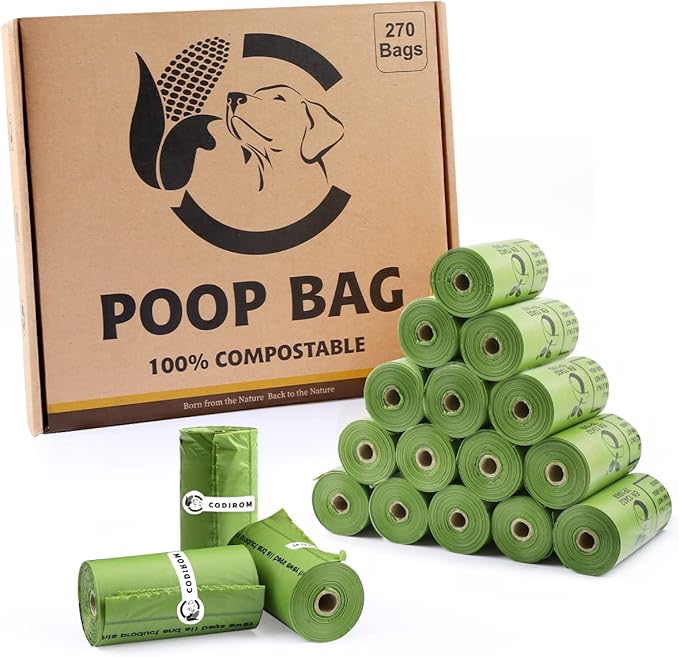
Max, who is 5-years-old and loves to explore, clearly showed improved behavior when we switched to eco-friendly dog waste solutions from Eco Paw. Not only did the product reduce the overall environmental impact, but it also contributed to a cleaner, safer yard free of leftover chemicals and residues that could potentially harm his sensitive paws.
This change was part of a larger commitment to a sustainable lifestyle that benefits both pets and the planet. I observed that:
- Improved Paw Health: With fewer chemicals around, Max avoided the irritation often caused by traditional waste bags.
- Enhanced Outdoor Experience: A cleaner yard meant more enjoyable play sessions without worry.
- Simplicity and Safety: The biodegradable materials used are non-toxic, ensuring a healthy environment for him.
This firsthand experience reinforces the message that sustainable and pet-safe practices go hand-in-hand with overall wellness. It’s a win-win for everyone—and the environment!
Environmental Impact and Health Benefits
One of the best aspects of incorporating eco-friendly products in our holiday routines is the dual benefit of enhanced pet health and a reduced environmental footprint. When analyzing Holiday Hazards For Pets Explained, it’s essential to consider not only the immediate risks but also the long-term impacts on our environment and pet wellness.
Here are some key points regarding the environmental and health benefits of making thoughtful choices:
- Biodegradability: Many eco-friendly products, such as the dog waste solutions mentioned earlier, break down naturally without releasing harmful chemicals into the soil or water.
- Non-Toxic Materials: Choosing toys, decorations, and household items made with non-toxic materials minimizes the risk of accidental poisoning or allergic reactions.
- Improved Air Quality: Eco-friendly, chemical-free cleaning agents and fertilizers help maintain better air quality, reducing respiratory issues in both pets and humans.
- Sustainable Sourcing: Products that are manufactured sustainably help ensure that we are not depleting resources or contributing to pollution—thus making our environment safer for future generations of pets.
By supporting eco-friendly solutions, we not only protect our pets from immediate holiday hazards but also contribute to a healthier, cleaner planet for all living beings.
Step-by-Step Instructions for Creating a Safe Holiday Home
Here are some practical steps that I follow every holiday season to minimize risks for my pets:
- Audit Your Home:
- Identify and secure all toxic foods and beverages.
- Remove or secure dangerous decorations such as tinsel, fragile ornaments, and exposed wires.
- Relocate holiday plants to areas completely inaccessible to your pets.
- Create Pet-Free Zones:
- Use baby gates or close doors to restrict access to areas near the Christmas tree or heavily decorated spaces.
- Designate a “quiet room” where your pet can retreat if the environment becomes overwhelming.
- Temperature and Weather Precautions:
- Limit your pet’s time outdoors during harsh weather conditions.
- Invest in pet clothing such as sweaters or booties if needed.
- Wipe paw pads regularly to remove salt or ice-melt chemicals.
- Food Safety Measures:
- Never leave holiday foods or treats unattended.
- Educate your guests on the dangers of feeding your pet human food.
- Always store potentially harmful items in secure, pet-proof containers.
- Emergency Preparedness:
- Keep your veterinarian’s contact information and the details of the nearest emergency clinic readily accessible.
- Maintain an updated pet emergency kit with first aid supplies, medications, and comfort items.
- Ensure your pet’s ID tags and microchip information are current.
Safety First: Essential Reminders
Safety First: Always supervise your pet during holiday festivities. If your pet shows any signs of distress, such as vomiting, drooling, or unusual behavior, seek veterinary care immediately. Remember that prevention is the best form of care, and taking these proactive steps can help ensure a safe and joyful holiday season for everyone.
Creating a Calm, Pet-Friendly Holiday Environment
One of my favorite parts of the holiday season is creating an atmosphere that my pet actually enjoys. I’ve learned that a predictable routine, even amidst the festivities, is key for maintaining calm. Here’s how you can create a pet-friendly environment:
- Designate a Safe Retreat: Set up a quiet room with toys, a comfy bed, and water. This is where your pet can go if the party gets too loud.
- Maintain Routine: Try to keep feeding and walking times consistent, even if you’re busy with holiday events.
- Introduce New Decorations Gradually: Instead of overwhelming your pet with new sights and sounds all at once, introduce changes gradually to allow them time to adjust.
- Engage with Familiar Toys: Offer your pet their favorite chew toy or puzzle to focus their energy and distract them from the hustle and bustle.
This approach not only protects your pet but also enriches their experience during the holidays. Think of it as creating a little sanctuary for relaxation amid the chaos.
Pros & Cons of Common Holiday Pet Safety Practices
It’s important to weigh the benefits and drawbacks of any approach to pet safety, especially when integrating new products or behaviors. Here’s a straightforward breakdown:
- Using Eco-Friendly Products:
- Pros:
- Non-toxic and biodegradable, reducing environmental impact.
- Safer for your pet’s health—minimizes exposure to harmful chemicals.
- Often highly effective and easy to use.
- Cons:
- May be slightly more expensive than conventional options.
- Availability can vary by region.
- Pros:
- Implementing Pet-Free Zones:
- Pros:
- Reduces the likelihood of accidental ingestion or injury.
- Helps maintain a calm space for your pet during high-stress moments.
- Cons:
- Requires careful planning and sometimes additional barriers.
- Pros:
- Monitoring and Managing Dietary Intake:
- Pros:
- Prevents exposure to toxic foods and ingredients.
- Helps maintain your pet’s regular nutrition and weight management.
- Cons:
- May require extra effort during gatherings and parties.
- Pros:
Frequently Asked Questions
What are the most dangerous holiday foods for pets?
Chocolate, xylitol-containing products, grapes, raisins, onions, garlic, fatty foods, and alcohol top the list. These can cause symptoms ranging from digestive upset to severe conditions like pancreatitis, kidney failure, or even death.
How can I pet-proof my holiday decorations?
Ensure that tinsel, garlands, and fragile ornaments are securely out of reach. Use baby gates or closed doors to restrict access to areas like the Christmas tree and table settings. Consider switching to pet-friendly alternatives like unbreakable decorations and battery-operated lights.
How do I prevent my pet from eating holiday treats?
Store all potentially dangerous foods in secure, pet-proof containers. Educate guests not to feed your pet, and consider keeping your pet in a separate, safe room during meals if needed. Consistent routines and clear boundaries are key.
What should I do if my pet accidentally ingests something toxic?
If you notice symptoms like vomiting, diarrhea, lethargy, or unusual behavior, contact your veterinarian or an emergency pet clinic immediately. Quick intervention can be lifesaving.
How can I help my pet adjust to the changes during the holidays?
Create a calm, designated safe space with their favorite toys and bedding, maintain regular routines, and introduce any new changes slowly. Familiarity helps ease anxiety in pets during hectic times.
Expert Tips for a Safer Holiday Season
In my continuous journey to research and test pet care practices, I’ve gathered these top tips to make your holiday season as safe and enjoyable as possible:
- Plan Ahead: Identify potential hazards in your home early and take preventative steps well in advance.
- Educate Everyone: Make sure all household members and guests understand the specific holiday hazards for pets explained in this guide.
- Monitor Constantly: Keep a close eye on your pet’s behavior during group activities and parties. Early detection of stress or exposure to danger is essential.
- Keep Emergency Contacts Handy: Maintain an updated list of your veterinarian’s contact information and local emergency clinics.
- Use Eco-Friendly and Non-Toxic Products: These items often provide a safer environment with additional benefits to the planet. Check out products like Eco Paw’s eco-friendly dog waste solutions for an example of sustainable, pet-safe practices.
Addressing Behavioral Concerns During the Holidays
In many instances, the behavior changes in pets during the holiday season indicate stress or discomfort. I’ve noticed that even a normally calm pet can become anxious when faced with too many new stimuli at once. Here are some common behavioral challenges along with practical solutions:
- Hiding and Withdrawal: Pets sometimes retreat to a quiet corner or hiding place during parties. It’s important to respect this need by ensuring they have access to a safe, undisturbed room.
- Destructive Behaviors: Excess energy and stress can lead some pets to chew or scratch things they shouldn’t. Provide plenty of chew toys and interactive games to redirect this behavior.
- Aggression or Overexcitement: Unfamiliar or overly enthusiastic visitors may cause your pet to snap or act out. Clearly defined boundaries and a consistent routine help