How Natural Cat Litter Can Help Reduce Landfill Waste: A Comprehensive Look
Understanding the Environmental Impact of Traditional Cat Litter
Most of us simply reach for a familiar brand of clay-based litter without thinking twice about the long-term impact. Yet, these products come with a hidden cost:
- Non-biodegradability: Clay litters can remain intact for hundreds of years in landfills.
- Strip-Mining: The clay is extracted using strip-mining, which devastates vast areas of natural habitats.
- High Carbon Footprint: Mining and processing involve massive energy consumption and greenhouse gas emissions.
When I started comparing the environmental effects of conventional clay versus natural alternatives, the choice became clear. With millions of cat owners like us contributing thousands of pounds of waste yearly, the need for a sustainable solution is urgent.
How Natural Cat Litter Can Help Reduce Landfill Waste: My First Encounter
My curiosity led me to try natural cat litter options. I discovered several eco-friendly materials such as recycled paper, corn and wheat derivatives, wood chips, grass seeds, and coconut husks. Here are some breakthrough benefits that convinced me natural cat litter offers superior sustainability:
- Renewable Resources: Many natural litters are made from agricultural byproducts, giving waste a new purpose.
- Rapid Decomposition: Unlike clay, these materials break down in months rather than centuries.
- Lower Energy Production: The production process requires less energy, which means fewer carbon emissions.
This shift is more than just an environmental statement; it’s a proactive move towards responsible pet ownership. Every time I choose a product that helps reduce landfill waste, I feel I’m doing my small part to support a greener future.
Exploring Eco-Friendly Cat Litter Materials
Let’s dive into the various natural materials available and how each contributes to reducing landfill waste:
Plant-Based Litter Options
I was surprised to learn how versatile plant-based litters could be:
- Corn-Based Litters: Made from renewable corn kernels, these litters offer top-notch moisture absorption and natural odor control while breaking down quickly in the environment.
- Wheat-Based Litters: With a soft texture and excellent clumping characteristics, wheat litters are biodegradable and even compostable in the right setups.
Choosing plant-based options means opting for materials that support agriculture and reduce dependence on harmful mining methods.
Wood-Derived Litter Materials
Wood-based litters, like those derived from pine and cedar shavings, have their own distinct advantages:
- Natural Antimicrobial Properties: Wood litters naturally help control odors and possess antibacterial traits.
- Sustainable Sourcing: Often sourced through sustainable forestry practices, they minimize the environmental footprint.
- Recycled Paper Litters: My favorite for dust control! These products repurpose post-consumer paper and are ideal for cats with respiratory sensitivities.
Agricultural Waste Transformation
Some of the most innovative natural litters come from repurposing agricultural waste. I was truly impressed by how grass seed hulls, walnut shells, and rice hulls are being transformed into products that help reduce landfill waste. Here’s why:
- Circular Economy: They turn what would be waste into a valuable resource.
- Sustainable Practices: Encourages better use of natural materials and reduces overall waste in the food production chain.
Reducing Landfill Waste the Natural Way
One of the biggest benefits of switching to natural cat litter is how it directly reduces landfill waste. Traditional clay litters persist for centuries, but natural alternatives break down much faster. Here’s what I’ve learned:
- Faster Biodegradation: Materials like recycled paper and corn-based litters can disintegrate within a few months.
- Less Disposal Headache: With quicker decomposition comes less long-term worry about waste management.
- Supporting Sustainable Production: Many manufacturers now use agricultural byproducts or recycled materials, ensuring a circular economy that minimizes waste at all stages.
This isn’t just about reducing the immediate burden on landfills—it’s about rethinking how every product we use contributes to long-term environmental sustainability.
Comparing Biodegradable and Traditional Clay Litter
The comparison is straightforward. Traditional clay litter, although inexpensive and widely available, contributes significantly to environmental degradation. Let’s compare some key points:
- Environmental Footprint: Clay litters are non-biodegradable, require energy-intensive mining, and add to long-term waste. Natural litters, in contrast, are designed to break down quickly.
- Production Process: The extraction and refinement processes for clay are harsh on the environment, while natural alternatives often repurpose materials that might otherwise be discarded.
- Health Considerations: Natural cat litters are typically free of harmful chemicals and synthetic additives, reducing dust and allergens for both cats and humans.
When I looked at the overall picture, it was clear natural litters provided not just environmental but also health benefits. Modern biodegradable formulations now offer excellent odor control, moisture absorption, and clumping performance comparable to any clay-based product.
Practical Steps for Switching to Natural Cat Litter
Transitioning from conventional clay litter to a biodegradable option might seem overwhelming at first. I, too, had concerns about how my cat would adjust. Here are some practical steps that helped me make the switch smoothly:
Step-By-Step Transition Guide
- Start Gradually: Mix a small amount of natural litter into the current clay litter. Slowly increase the ratio over a few weeks.
- Monitor Your Cat: Notice any changes in your cat’s behavior or litter box usage. Cats can be sensitive to texture changes.
- Experiment with Brands: Not all natural litters are created equal. Testing various types (corn, wheat, wood, etc.) helps you determine what works best for your pet.
- Read Reviews and Ask for Recommendations: I found a lot of value in checking online reviews and visiting pet care forums.
This gradual approach not only eases your cat’s transition but also gives you time to compare the performance of different natural litters without feeling rushed.
Integrating Natural Litter into a Broader Eco-Friendly Lifestyle
Switching to natural cat litter is just one piece of the puzzle. I believe that eco-conscious pet care includes a range of practices. Here are some ways I expanded my sustainable pet care routine:
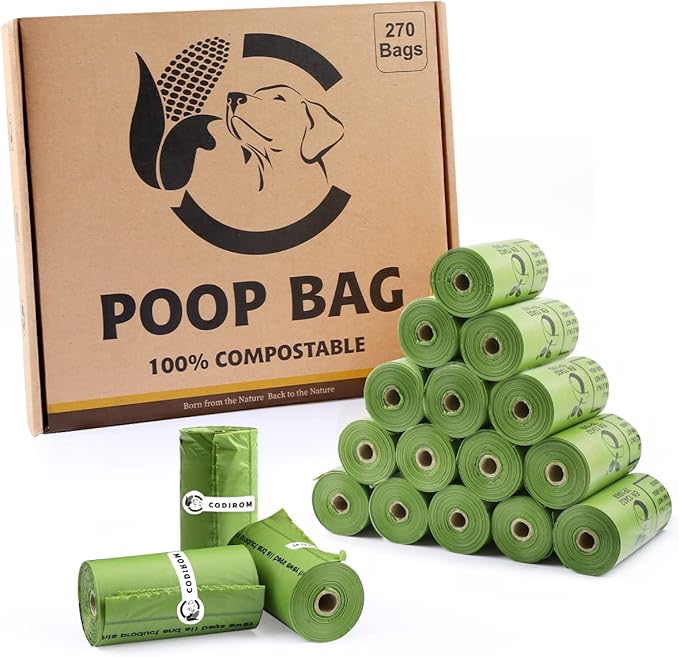
- Proper Waste Disposal: Learn how to properly dispose of biodegradable pet waste bags for a complete eco-friendly approach.
- Exploring Bioplastics: Consider bioplastics as a better choice for pet waste bags to minimize your plastic use.
- Eco-Friendly Poop Bags: Educate yourself on the importance of using eco-friendly poop bags to reduce environmental harm.
- Dog Waste Solutions: Even if you have dogs, check out tips for switching to sustainable dog waste bags to extend your green habits.
Every choice builds on the last; when I started looking for eco-friendly alternatives, I realized that living sustainably is a holistic journey. Every small change matters when your goal is to help reduce landfill waste and protect our environment.
Cost Considerations and Performance of Natural Cat Litter
I won’t sugarcoat it: at first glance, natural cat litter might seem a bit more expensive than conventional clay options. However, consider these key points:
- Long-Term Savings: High absorbency and better odor control can mean using less product overall.
- Environmental Savings: Investing in biodegradable litters supports responsible manufacturing practices that lower our collective carbon footprint.
- Health Benefits: Fewer chemicals and less dust mean a healthier environment for you and your pet.
Having switched to natural litter, I feel a sense of responsibility not only for my cat’s health but also for the planet. In the long run, the benefits far outweigh the minor upfront costs.
Addressing Common Concerns About Natural Cat Litter
There are a few questions many pet owners share when considering natural alternatives. Here’s a direct, no-nonsense discussion of those concerns:
Will My Cat Actually Use It?
Yes. Like any change, it requires a gradual transition. Most cats adapt well when natural litter is introduced slowly.
Is It Really as Effective at Controlling Odors?
Modern natural litters are designed with odor control in mind. Many products now offer the same clumping and odor-controlling properties as traditional options.
How Do I Dispose of Used Natural Litter?
Many of these litters are designed to break down rapidly. However, it’s important to separate waste according to local regulations and remember that cat waste should never be composted with human compostable materials due to potential pathogens.
Can I Trust That Production is Truly Sustainable?
Reputable brands are transparent about using agricultural byproducts and recycled materials. Always look for eco-certifications and reviews from other conscious pet owners.
FAQs About How Natural Cat Litter Can Help Reduce Landfill Waste
What makes natural cat litter a better choice than traditional clay litter?
Natural cat litter uses renewable resources that decompose quickly and reduce the overall buildup of waste in landfills, unlike clay litter which is mined unsustainably and lasts for centuries.
How does biodegradable litter contribute to reducing environmental impact?
Biodegradable litters break down naturally in a short period, reducing the volume of waste and the need for long-term landfill storage. They’re also produced from renewable sources, thereby lowering the carbon footprint.
Are there any health benefits for my cat with natural litters?
Yes, most natural litters offer low dust production and are free of harsh chemicals, reducing respiratory issues while also keeping your home cleaner for you and your pet.
How can I transition my pet to natural cat litter?
I recommend starting by mixing a small amount of the natural litter with your current clay litter and gradually increasing the ratio until your cat fully adjusts to the new texture and scent.
Where can I find additional eco-friendly pet care resources?
You can explore more about proper pet waste disposal and sustainable pet care practices by visiting helpful guides such as Properly Dispose of Biodegradable Pet Waste Bags, Bioplastics Are a Better Choice for Pet Waste Bags, The Importance of Using Eco-Friendly Poop Bags, and Tips for Switching to Sustainable Dog Waste Bags.
The Bigger Picture: How Natural Cat Litter Can Help Reduce Landfill Waste and Create a Sustainable Future
Every step toward a more humane and sustainable living approach matters. I believe that natural cat litter is more than just an alternative product—it symbolizes a shift toward eco-friendly consumer habits. The tangible benefits are clear:
- Significantly Lower Waste Accumulation: Rapid decomposition means less long-term landfill waste.
- Reduced Environmental Degradation: The sustainable sourcing process minimizes harmful mining activities and lowers the carbon footprint.
- Support for Circular Economies: By using natural and recycled materials, we’re investing in a system that values resource renewal and waste reduction.
For me, the decision to switch was also personal. When I learned how many tons of clay litter contribute to waste that lasts centuries, choosing an alternative wasn’t just eco-friendly—it was essential. Each small change, from the type of litter to the method of disposal, impacts our world more than we often imagine.
Practical Tips to Maximize the Benefits of Natural Cat Litter
If you’re ready to make the switch, here are some practical tips from my own experience:
- Keep it Clean: Regularly scoop the litter box to maintain hygiene and prolong the life of the litter. This also means fewer odors and better performance.
- Stay Informed: Follow trusted channels and pet care blogs to stay updated on innovations in natural cat litter technology.
- Connect with Fellow Pet Owners: Join online forums or local pet groups to exchange tips on successful transitions to eco-friendly products.
- Evaluate and Adjust: Every cat is unique. Monitor your pet’s response and be willing to try new formulations if needed.
Real-Life Impact: Stories from Eco-Conscious Pet Owners
I’ve spoken with several fellow cat owners who have made similar sustainable choices. One friend mentioned that after switching to natural litter made from coconut husks and recycled paper, not only did her cat adapt quickly, but she also noticed less dust accumulation and a real reduction in the size of her trash bin over time. Another pet owner shared that integrating biodegradable cat litter into their routine paved the way for a broader lifestyle change, inspiring them to choose eco-friendly waste bags and even solar-powered pet products.
These stories remind me that every purchase and every decision matters. When we ask ourselves how natural cat litter can help reduce landfill waste, we’re really asking how we can all contribute to a healthier, more sustainable way of life—one small, mindful step at a time.
Looking Ahead: The Future of Eco-Friendly Pet Care
Innovation in natural cat litter continues to evolve. As more manufacturers invest in research and development, we’re starting to see products that not only match the performance of clay-based litters but often surpass them in terms of sustainability and health benefits. I’m excited about the future because:
- Product Improvement: Enhanced clumping properties, improved odor control, and lighter dust mean that natural options are rapidly catching up to—and sometimes exceeding—traditional products.
- Increased Availability: More pet stores and online retailers now stock a wide variety of natural litters, making it easier than ever to find a product that fits your pet’s needs.
- Rising Awareness: As discussions about environmental sustainability grow, more pet owners are evaluating their choices and shifting towards products that help reduce landfill waste.
The evolution of eco-friendly pet care isn’t just about one product—it’s part of a larger shift towards making mindful, value-focused decisions that benefit everyone in the long run. By choosing natural cat litter, we contribute to a movement that is as much about protecting our environment as it is about in-home pet care.
Conclusion: Why I Stand by Natural Cat Litter
Making the switch to natural cat litter isn’t a fleeting trend—it’s a steadfast commitment to environmental sustainability. I stand by this choice because every time I replace a bag of clay litter with a biodegradable alternative, I’m not only reducing waste; I’m casting a vote for a cleaner, greener future.
Here’s what I truly believe:
- Small Steps Matter: Each time you choose a natural, compostable cat litter made from materials like corn, wheat, or recycled paper, you’re taking a step that benefits our planet.
- Long-Term Impact: Traditional clay litters can linger in landfills for centuries, while natural alternatives return to the earth without leaving harmful residues.
- Collective Power: When pet owners become informed and make eco-friendly decisions, the accumulated impact on environmental preservation is profound.
I encourage you to reflect on your pet care products and consider how natural cat litter can help reduce landfill waste. Every mindful choice is a win for our environment and a responsible move for your pet’s health. Let’s continue this journey together toward better, greener living.
Final Thoughts
The journey toward sustainable pet care is ongoing, but every step we take is important. Natural cat litter offers not only excellent odor control and absorption but also represents a tangible solution to the growing landfill crisis. Embracing these changes means you’re supporting responsible consumption and making a lasting contribution to environmental protection for future generations.
By choosing natural cat litter, I affirm my commitment to sustainable living. I hope you feel inspired to consider this eco-friendly alternative