Understanding Litter For Sensitive Paws: Why It Matters for Your Cat
What Makes Litter For Sensitive Paws Stand Out?
I noticed early on that not all litters are created equal. Traditional clay-based litters, often laden with dust and sharp fragments, can irritate even the most resilient paws. Cats with sensitive paws—whether due to allergies, delicate skin, or past injuries—deserve a much gentler alternative.
Here’s what distinguishes Litter For Sensitive Paws:
- Softer Texture: Sensitive paw litters use natural materials like pine, paper, or corn, which offer a smoother feel that reduces irritation.
- Low-Dust Formulations: These litters contain binding agents that help keep dust particles intact, minimizing airborne dust that can trigger allergies or respiratory issues.
- Uniform Particle Size: The best litters have smaller, consistent granules, providing a texture that feels less abrasive underfoot.
When selecting a litter, you need to consider how often your cat uses the box. The constant exposure to any abrasive particles could lead to discomfort or even inflammation on sensitive paws.
Natural Ingredients: The Heart of Litter For Sensitive Paws
In my experience researching better litter solutions, I’ve found that natural ingredients play a crucial role. Materials like paper-based litter, pine, corn, and even grass are increasingly popular because they are gentle yet effective. Let’s talk about some of the options:
Paper-Based Litter: Softness and Sustainability
Paper-based litters are made from recycled paper, processed into soft pellets that are ideal for delicate paws. I love these litters because:
- They are extremely absorbent and help control odors without harsh chemicals.
- The texture is gentle, reducing the risk of irritation.
- They contribute to sustainability since they use recycled materials.
Using paper-based litter has not only improved my cat’s comfort but also aligns with eco-friendly practices. By choosing these products, you can play your part in reducing waste and protecting our home environment.
Pine and Wood-Based Litters: Natural and Pleasant
Another option I explored was pine-based litter. Many cats, including mine, seem to enjoy the natural scent, which can stimulate regular use of the litter box. Pine litters offer:
- A softer approach to paw care due to their natural fibers.
- Lower allergen content compared to traditional clays.
- Antimicrobial properties, meaning they naturally help control odors.
This kind of litter not only protects sensitive paws but also minimizes household dust, keeping the air fresh and reducing the need for constant cleaning.
Corn-Based Litters: Gentle, Clumping, and Hypoallergenic
Corn-based litters are another excellent choice for cats with sensitive paws. I appreciate their hypoallergenic properties and excellent clumping ability. Key benefits include:
- They remain soft and gentle on your pet’s paws.
- The clumping nature makes cleaning simpler.
- They are typically free of harsh chemicals and additives.
Using corn-based litter has been a game-changer in reducing irritation for my cat, and it also provides peace of mind when it comes to respiratory health.
Exploring Alternative Natural Options
Beyond the aforementioned choices, there are also innovative alternatives such as:
- Pellet Litter: Specially designed for sensitive cats, these larger pellets reduce the chance of material getting stuck between toes.
- Silica Gel Alternatives: Modern formulations provide larger, softer crystals that minimize abrasiveness while maintaining excellent moisture absorption.
- Grass and Natural Seed Litters: For the most tender paws, these options mimic outdoor textures that many cats find appealing.
Every cat is unique, so experimenting with these natural alternatives can be key to finding what suits your furry friend best.
Benefits of Choosing the Right Litter For Sensitive Paws
The right litter is essential not only for keeping your cat comfortable but also for ensuring their overall health. When I made the switch, I noticed several improvements:
- Reduced Irritation: The softer materials mean that my cat no longer suffers from cuts or abrasions linked to traditional, harsh granules.
- Better Respiratory Health: With less dust in the environment, both my cat and our household experienced fewer allergy symptoms and respiratory issues.
- Cleaner Litter Box: A low-dust, highly absorbent litter prevents waste from tracking around the house, keeping both the box and surrounding areas cleaner.
- Consistent Litter Box Use: My cat now uses the litter box without hesitation, and I’ve noticed a significant decrease in accidents around the home.
Choosing Litter For Sensitive Paws is a proactive move to safeguard your cat’s health. It goes beyond comfort—it’s about preventing potential infections, allergic reactions, and skin irritations.
Recognizing When Your Cat Needs Litter For Sensitive Paws
I’ve learned to watch for several signs that indicate my cat may be suffering due to the wrong type of litter. Here are some situations to be aware of:
Behavioral Changes: When Your Cat Avoids the Litter Box
One of the strongest signals that it’s time to switch to Litter For Sensitive Paws is when your cat starts avoiding the litter box. If you notice:
- Your cat hesitates or almost refuses to enter the box.
- Sudden accidents in other parts of your home.
- Restlessness or repeated attempts to adjust inside the box.
These changes typically indicate discomfort and may imply that the litter’s texture or dust is causing pain on your cat’s sensitive paws.
Physical Signs: Redness, Irritation, and Excessive Grooming
Another way to know that your cat needs a gentler litter is by inspecting their paws. Signs to look for include:
- Redness or swelling between the toes.
- Excessive licking or chewing on the paws.
- Visible cuts or abrasions that aren’t healing properly.
If you see these warning signs, it’s time to transition to Litter For Sensitive Paws immediately.
Respiratory Concerns Linked to Dust
Dusty litter doesn’t affect just your cat’s paws but can also limit their overall wellbeing. If you or anyone in your household experiences:
- Sneezing or coughing near the litter area.
- Excessive dust settling around the box and on nearby furniture.
Switching to a low-dust formulation like Litter For Sensitive Paws will help alleviate these issues.
Transitioning Your Cat to Litter For Sensitive Paws
The thought of changing your cat’s litter might seem overwhelming, but trust me—it’s worth the effort. I approached the switch gradually, and here’s how you can, too:
Step-by-Step Transition Process
- Initial Mix: Begin by mixing 25% of the new litter with 75% of your cat’s current litter. This slow introduction helps minimize stress.
- Monitor Behavior: Over the next three to four days, observe any changes in your cat’s usage. If everything seems normal, you can gradually adjust the ratio.
- Gradual Increase: Increase the proportion to 50/50 over the course of a week. Continue monitoring for any signs of discomfort.
- Full Switch: Once your cat appears comfortable with the new mix, gradually substitute the remainder until you’re using 100% Litter For Sensitive Paws.
This entire process may take two to three weeks. The slow transition is key to avoiding stress or litter box avoidance. If you notice any issues (excessive scratching or avoidance), revert to the previous mix for a few more days before progressing.
Tips to Ease the Transition
Over the years, I’ve learned a few tricks to help the transition go smoothly:
- Multiple Litter Boxes: Provide multiple boxes during the transition period so your cat has options.
- Regular Cleaning: Keep the litter boxes impeccably clean to encourage regular use.
- Positive Reinforcement: Offer gentle praise and treats when I see my cat use the new litter without hesitation.
Remember, every cat is unique. Patience and observation are your best tools during this process.
Embracing Eco-Friendly and Sustainable Practices
While I’m deeply committed to my cat’s health, I also care about the environment. Selecting eco-friendly options for Litter For Sensitive Paws can significantly contribute to reducing waste and pollution. For instance, many of the litters mentioned above—like paper-based or corn-based litters—are not only gentle but also biodegradable.
On a related note, I recently came across some excellent resources about eco-friendly pet products. I encourage you to check out these links for more insights on sustainable practices:
These resources not only offer great tips on waste management but also align with my goal of maintaining a sustainable lifestyle without compromising my pet’s comfort.
Real-Life Stories and Personal Experiences
I want to share a personal story that underscores the importance of choosing the right litter. A friend of mine, Sarah, struggled with her cat’s persistent litter box avoidance. After switching from a dusty clay litter to a softer, paper-based option, she noticed a dramatic improvement. Her cat went from limping and excessive grooming to happily using the litter box without any signs of distress. Stories like these remind me of why Litter For Sensitive Paws is essential—not just for the physical health of our pets, but also for their emotional comfort.
I’ve also experienced cases where excessive dust from traditional litters led to respiratory issues for pets and even triggered allergies in some family members. In our household, after switching, the air quality improved noticeably. A clean, dust-minimized environment is beneficial for all, making this change a win-win for both pets and their owners.
The Science Behind Litter For Sensitive Paws
Understanding the science of litter materials can help you appreciate why certain ingredients are better suited for sensitive cats. Research shows that refining the granule size and texture not only improves comfort but also minimizes skin abrasions. Here are some scientific insights:
- Reduced Particle Exposure: Low-dust formulations mean reduced exposure to airborne particles, which can help prevent respiratory issues.
- Uniform Granule Structure: Smoother, smaller particles ensure that no sharp edges remain to cause micro-abrasions during everyday use.
- Hypoallergenic Properties: Natural materials, by their very nature, are less likely to contain the chemicals that trigger allergic reactions in pets.
It’s fascinating to see how innovations in litter design can improve pet health across the board. The shift from harsh materials to gentle, natural litter feels like one of those rare moments where innovation meets empathy for our furry friends.
Choosing the Right Litter For Sensitive Paws: Common Questions Answered
I know you might have questions about making the right choice. Here’s a breakdown of some common concerns:
Key Factors to Consider When Selecting Litter
When evaluating different litters for your cat’s sensitive paws, keep these aspects in mind:
- Material Composition: Look for natural and hypoallergenic ingredients like paper fibers, pine, or corn.
- Dust Levels: Choose a litter that specifically advertises low-dust or dust-free properties.
- Texture and Granule Size: Ensure that the granules are smooth and uniform, which significantly reduces discomfort.
- Absorbency: A good litter should lock in moisture effectively to prevent the build-up of bacteria and odors.
Every cat is unique—my cat, for example, prefers a slightly grainy texture over a powdery feel—so sometimes trial and error is necessary. However, once you find the right product, you can rest easy knowing that you’ve chosen the best for your pet’s sensitive paws.
Maintaining a Clean Environment with Litter For Sensitive Paws
Maintaining your cat’s comfort doesn’t stop once you’ve chosen the right litter. Consistent cleaning and proper maintenance are crucial for ensuring the litter box remains inviting and safe. Here’s what I do to keep the area fresh:
- Daily Scooping: Remove clumps and waste daily to minimize bacterial growth and odor.
- Weekly Refreshing: Replace the entire litter once a week, even if using clumping products, to maintain freshness.
- Regular Disinfection: Occasionally clean the litter box with pet-safe disinfectants to keep it hygienic for your cat.
These simple steps have contributed significantly to my cat’s overall well-being and encourage consistent litter box use, making clean-up less of a chore overall.
Frequently Asked Questions About Litter For Sensitive Paws
What is the main benefit of using Litter For Sensitive Paws?
Using litter specifically designed for sensitive paws helps reduce irritation, prevents skin abrasions, and minimizes dust exposure, ensuring your cat’s comfort and long-term health.
How do I know if my cat needs a change in litter?
If your cat shows signs such as avoiding the litter box, limping, excessive licking of the paws, or if you notice redness and irritation, it’s wise to consider switching to a gentler litter option.
What types of natural materials are used in these litters?
Common natural materials found in these litters include paper fibers, pine, corn, and even grass or natural seeds—all of which are designed to offer a softer, safer texture for delicate cat paws.
Can switching to Litter For Sensitive Paws help with my cat’s respiratory issues?
Yes, because low-dust or dust-free litters reduce airborne particles that can trigger respiratory issues not only in cats but in sensitive human family members as well.
How long does the transition process take?
The process usually takes two to three weeks, depending on your cat’s adaptability. Always introduce the new litter gradually, starting with a 25/75 mix and slowly increasing the new litter percentage.
My Final Thoughts on Litter For Sensitive Paws
I believe that every pet owner wants the best for their furry friend. Choosing Litter For Sensitive Paws is more than just a practical decision—it’s a commitment to ensuring that our cats live a life free from avoidable discomfort and irritation. Over the years, both my own feline companion and I have reaped the benefits of a carefully chosen litter that caters to sensitive paws.
There’s a certain peace of mind that comes with knowing your cat is comfortable, whether they are using the litter box or simply walking around the house. I hope that by sharing my experiences and the knowledge I’ve gathered, you too will feel empowered to make a switch that can vastly improve your pet’s quality of life.
Remember, the right litter can help prevent infections, reduce allergic reactions, and ensure that your cat navigates their litter box with ease. Explore the natural options, keep an eye on their preferences, and most importantly, always ensure the transition is slow and steady.
Additional Tips and Resources
Before wrapping up, here are a few more valuable tips that I’ve found immensely helpful when using Litter For Sensitive Paws:
- Observe and Adjust: Regularly check your cat’s behavior and paw condition. Adjust your chosen litter if you spot any signs of irritation.
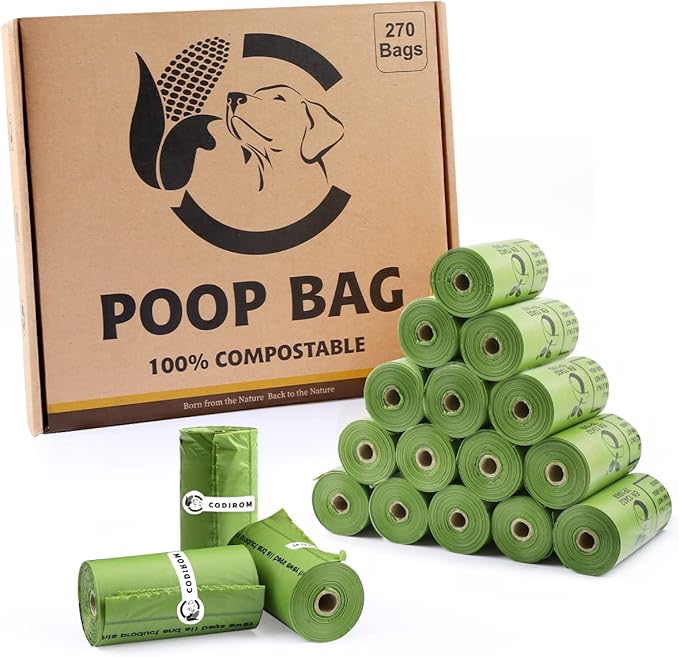
- Consider Your Home Environment: If you’re already using eco-friendly products at home, pairing them with biodegradable litter bags can enhance the overall sustainability of your pet care routine. For more sustainable ideas, visit How to Properly Dispose of Biodegradable Pet Waste Bags or Bioplastics Are a Better Choice for Pet Waste Bags.
- Stay Informed: Continuous learning about eco-friendly pet care practices can add value to your daily routines. Resources like The Importance of Using Eco-Friendly Poop Bags and Tips for Switching to Sustainable Dog Waste Bags are excellent starting points.
As you experiment with different options, keep a journal of your cat’s reactions and behaviors. Sometimes, the smallest changes—like switching your litter type—can have a major impact on your pet’s life. Litter For Sensitive Paws is about making choices that add value and comfort, so don’t hesitate to try new things until you hit the sweet spot for your furry friend.