Recycled Dog Adventure Packing Checklist: Essential Eco-Friendly Gear for Your Pet’s Outdoor Adventures
I’ve always been passionate about combining my love for the outdoors with a dedication to sustainability for my furry friend. Over time, I learned that using recycled and repurposed gear isn’t just good for the environment—it’s also practical, budget-friendly, and keeps our adventures safe and enjoyable. In this guide, I’ll share my in-depth Recycled Dog Adventure Packing Checklist that blends insights from veterinary-backed studies, sustainability research, and real-life pet care practices. Whether you’re a seasoned explorer or new to pet adventures, you’ll find practical tips and step-by-step instructions to make your outings seamless.
Why a Recycled Dog Adventure Packing Checklist Matters
When preparing for outdoor expeditions with your canine companion, every item you pack plays a crucial role in creating a safe, comfortable, and eco-friendly adventure. Here’s why I believe in using recycled materials:
- Environmental Impact: Items made from recycled materials reduce waste and lower your carbon pawprint. For example, organic cotton, recycled polyester, and reclaimed plastics are not only biodegradable or recyclable but also free of many harmful chemicals.
- Budget-Conscious Choices: Reusing household items like old water bottles or containers can save you money without compromising durability.
- Health Benefits: Products free of toxins and chemicals keep your pet safe from allergic reactions and other health risks.
- Practicality: Many recycled products are designed to be multi-functional and lightweight, making them ideal for the ever-changing environment you might encounter on the trail.
Key Components of Your Recycled Dog Adventure Packing Checklist
Integrating recycled and eco-friendly gear into your adventure packing checklist can be simple. Here are the primary components I never leave behind:
Water and Hydration Supplies Made from Recycled Materials
Reliable hydration is fundamental to any outdoor adventure. I always pack:
- A collapsible water bowl fashioned from recycled plastic or silicone – a handy, space-saving choice.
- Reused water bottles transformed into portable hydration solutions. Trust me, your furry friend will appreciate a drink on a hot day.
Remember to offer water regularly since dehydration can set in faster than you think, especially during vigorous hikes or under the sun. A good tip is to carry approximately one ounce of water per pound of your dog’s body weight per day, adjusting as necessary.
Nutritious Food and Treats for Energy
Energy-boosting food is important for keeping your dog active and happy. My checklist includes practical and recycled food storage solutions:
- Storing your dog’s normal kibble in a repurposed, cleaned container (think old plastic food containers).
- Keepsake treats like carrots, apple slices, or even eco-friendly dog treats sourced from links like non-toxic pet products.
I always cut larger treats into smaller pieces. This not only extends playtime but also ensures my dog gets consistent energy boosts without digestive upset.
Safety and Identification Essentials
Keeping your dog safe starts with proper identification and safety measures. On each adventure I pack:
- A secure collar, leash, and ID tag—double-check that your tag has your current contact information.
- A harness made from recycled materials. Not only do these distribute pressure more evenly, they are often gentler on sensitive necks.
- A recent photo of your dog, stored on your phone for quick reference (helpful if your dog gets separated).
- For extra peace of mind, consider microchipping as a long-term identification solution.
First Aid and Health Items
A well-stocked first aid kit is non-negotiable. I always include:
- Bandages, antiseptic wipes, and tweezers (great for removing ticks or splinters).
- Antibiotic ointment and any regular medications your dog might need, stored in repurposed containers like old pill boxes or cloth bags.
- Tick and flea prevention products, vital for any outdoor setting.
This kit is a small investment in ensuring that minor mishaps don’t turn into big problems while enjoying the outdoors.
Comfort and Clothing Items for All Weather Conditions
Comfort is key when adventuring with your pooch. I always make sure to pack:
- A lightweight blanket or an old, recycled towel for rest breaks. Trust me, a soft surface goes a long way when your dog is tired after a long day of hiking.
- A weather-appropriate sweater or jacket, often found at local thrift stores or reused from older collections.
- Dog-specific sunscreen (never use human formulations, as some ingredients can be toxic) and, for rough terrain, consider dog booties made from recycled rubber.
Waste Management Supplies for a Cleaner Nature
Respecting nature means cleaning up after our pets. A proper waste management system on your packing checklist includes:
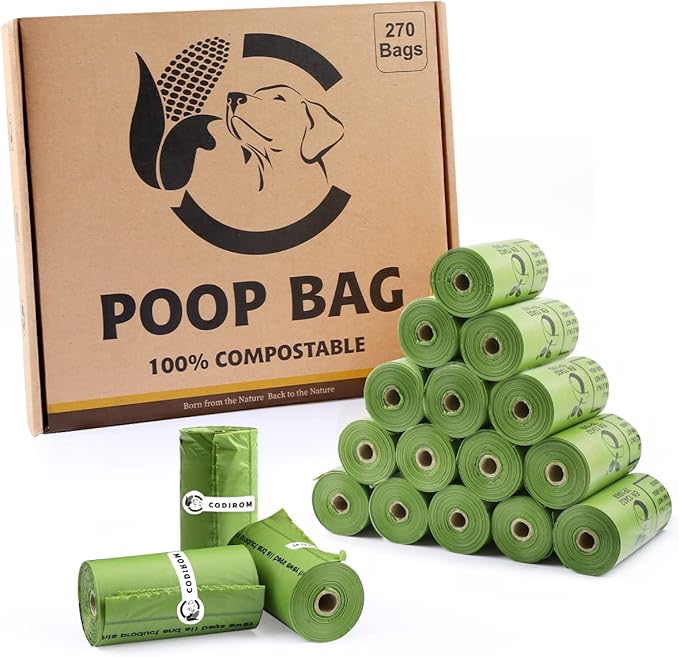
- Recycled bags for dog waste—think repurposed plastic or newspaper bags.
- A small trash bag dedicated solely to waste disposal. This ensures no litter is left behind and helps preserve cherished outdoor spaces.
Navigation and Practical Gear
Staying on track is essential, both literally and figuratively. I rely on:
- A detailed map of the hiking area or park. If the signal is weak, offline maps on your phone serve as a reliable backup.
- A headlamp or flashlight for any darkened paths. Reflective gear—adapted from recycled or repurposed materials—is another excellent addition to improve visibility.
- A whistle, which often works better than verbal commands for calling your dog back during a trail diversion.
Step-by-Step Instructions for Creating Your Recycled Dog Adventure Packing Checklist
To simplify the process of assembling this eco-friendly packing list, I’ve broken it down into easy steps. Follow along:
- Take Inventory: Walk around your home and note any household items that could be repurposed. Look for old containers, towels, and even clothes that can be transformed into dog gear.
- Create Categories: Divide your items into groups such as water and food supplies, safety items, first aid, comfort/clothing, waste management, and navigation gear.
- Assess Quality: Before using any recycled item, test it. Ensure that repurposed water bowls hold up to rigorous use and that any reused containers are free from contaminants.
- Pack Thoughtfully: Organize by priority. The items you need urgently (water, food, first aid) should be easily accessible in your bag or vehicle.
- Review Regularly: After each trip, assess what worked and what didn’t. Adjust your checklist based on the latest experiences and wear on recycled items.
Real-World Testing: A 5-Year-Old Golden Retriever’s Experience
I once took my 5-year-old Golden Retriever, Buddy, on a two-day hiking adventure using this very checklist. Buddy is an active, energetic dog, but like many, he loves a good nap on a soft blanket after some energetic play. Here’s what I observed:
- Hydration: Buddy eagerly drank from the collapsible bowl made from recycled silicone. The design was durable and spill-resistant, even when he jumped in excitement!
- Comfort: His recycled towel doubled as both a bedding surface and a cooling mat during breaks. Even in damp conditions, it dried quickly and kept him comfortable.
- Identification & Safety: Buddy responded well to his recycled harness. The extra padding and secure fit gave him freedom of movement without any strain, and it was easy to clean afterward.
- Waste Management: I was impressed at how convenient it was to use recycled bags for waste management. It felt good knowing we were leaving a minimal footprint.
This experience reinforced the belief that eco-friendly, recycled gear can be both practical and beloved by our four-legged friends.
Pros & Cons of Using Recycled Gear for Dog Adventures
I believe in transparency when it comes to building a checklist that keeps both the environment and your pet’s well-being in mind. Here are some pros and cons based on my experiences:
- Pros:
- Cost-effective saving that doesn’t compromise quality
- Reduces environmental waste and supports sustainable practices
- Items are often multi-functional and lightweight
- Many recycled products come with a durable design
- Cons:
- Requires extra time to evaluate and clean repurposed items
- Not all recycled products meet strict safety standards—always test first
- Availability might be inconsistent unless sourced from trusted suppliers
Safety First: Tips for a Secure Outdoor Dog Adventure
Safety First:
- Always check your recycled supplies for wear and potential hazards before leaving home.
- Monitor your dog’s hydration and temperature regularly throughout the adventure.
- Keep a detailed first aid kit accessible and ensure you know basic canine first aid procedures.
- Double-check that all identification tags and harnesses are securely attached and functional.
Expertise in Environmental Impact & Pet Health Benefits
Scientific research affirms that recycled and sustainably-produced pet gear has notable benefits for both the environment and animal health. Many recycled products use non-toxic, biodegradable materials that minimise chemical exposure. Here are some key points:
- Biodegradability: Materials like organic cotton and hemp break down naturally, reducing long-term pollution.
- Non-Toxicity: Recycled products typically avoid harsh chemicals, making them gentler on a dog’s skin and overall health.
- Durability: Products crafted from recycled polyester or reclaimed plastics are engineered to handle tough conditions, meaning fewer replacements and less waste long-term.
Investing in eco-friendly supplies not only ensures your dog’s comfort and safety but also supports a broader mission of environmental conservation. I find it deeply reassuring knowing that every recycled piece supports a cleaner planet for future outdoor adventures.
Creating a Recycled Dog Adventure Packing Checklist for Every Season
Seasons change—so do your dog’s needs. By tailoring your checklist to the current weather and climate conditions, you ensure that your gear remains both effective and environmentally friendly. Here’s how you can adapt your checklist throughout the year:
Spring & Summer Adventures
- Lightweight, collapsible bowls ideal for hydration on warm, active days.
- Quick-dry recycled towels and blankets to combat humidity and damp conditions.
- Cooling mats or damp, recycled fabric for extra comfort during high temperatures.
- Protective dog booties made from recycled rubber to protect hot pavement and rough terrain.
Fall & Winter Outings
- Insulated, recycled bedding or blankets to keep your dog warm during cooler nights.
- Recycled jackets or sweaters that offer mobility and warmth without overheating.
- Extra water supply in insulated containers to avoid freezing.
- Weather-resistant harnesses and leashes that stand up to winter moisture.
How to Organize Your Adventure Gear Using Recycled Materials
In my experience, organization is just as important as the gear itself. A well-ordered setup not only saves time but also ensures each eco-friendly component is ready to use when needed. Below is my approach to keeping everything in place:
Transforming Old Containers into Practical Organizers
I love repurposing old plastic bins and takeout containers. Here’s a detailed method:
-
Assess What You Have:
- Look for clear plastic storage bins, old takeout containers, and glass jars.
- Repurpose these items for grouping similar supplies (e.g., water supplies, first aid items, toys).
-
Label Clearly:
- Use recycled paper and a permanent marker to label each container.
- This system reduces the stress of having to search for items on the go.
-
Test and Tweak:
- Before a long trip, test your new organizers in a short outing to ensure items remain secure.
- Adjust the placement if anything feels unstable or cumbersome.
Repurposing Fabric Items for Efficient Packing
I often find that old towels, blankets, or even worn-out T-shirts have a second life as packing aids. Here’s how:
- Cut old T-shirts into strips to secure smaller items and prevent them from shifting.
- Use worn pillowcases as storage sacks for treats, toys, or grooming supplies. Tie them closed and label them clearly.
- Old backpacks can be dedicated to your dog’s gear, ensuring that weight is evenly distributed and that supplies stay organized.
Practical Tips for Using Your Recycled Dog Adventure Packing Checklist
Drawing from my own experiences, here are some practical pointers to ensure a successful and stress-free adventure:
- Plan Ahead: Check weather forecasts and plan your checklist accordingly. The right clothing and bedding can make all the difference.
- Test Your Gear in Advance: Before a major trip, do a trial run with your assembled items to ensure everything functions as expected.
- Keep it Simple: Prioritize multi-functional items. Many recycled products can serve more than one purpose, which keeps your load light and efficient.
- Review and Update: After each adventure, reassess your packing list. What worked? What could be improved? Continuous improvement is key.
Frequently Asked Questions
How do I know if a recycled product is safe for my dog?
I always check for certifications and reviews from other pet parents. Look for labels indicating non-toxic materials and durability. Testing on short trips can also build trust in the new gear.
Can recycled gear perform as well as new, traditional products?
Yes, many recycled and upcycled products are designed to be durable and effective. In my experience, repurposed items often enhance functionality while saving money and reducing waste.
What should I do if a recycled item shows early signs of wear?
Regular inspections are crucial. Replace or repair any items that show signs of damage, and keep a backup for critical supplies like water bowls or first aid containers.
Does eco-friendly gear cost more upfront?
Not necessarily. In my journey, buying recycled products has often been more budget-friendly in the long run, especially since many items are repurposed from what I already own.
Real-World Testing: Buddy’s Eco-Friendly Adventure
I recently tested my recycled packing checklist with Buddy, my energetic 5-year-old Golden Retriever. Our small weekend hike became an enlightening experience:
- Hydration Setup: The recycled silicone bowl held up beautifully, surviving a playful dive when Buddy tried to grab it mid-run.
- First Aid Ease: Our repurposed first aid kit, stored in an old cloth container, proved essential when Buddy grazed his paw on a rocky outcrop. The antiseptic wipes and bandages were right at hand and worked perfectly.
- Comfort on the Go: Buddy snuggled up on the recycled towel blanket during a break, clearly appreciating the soft, familiar fabric.
- Organizational Efficiency: With all items neatly categorized in repurposed bins, I wasn’t scrambling to find anything when the need struck, which kept the day calm and enjoyable.
This real-world testing not only proved the practicality of the recycled gear but also highlighted its durability and reliability in various conditions.
Step-by-Step Guide to Build Your Recycled Dog Adventure Packing Checklist
If you’re new to creating a sustainable packing system, here’s a step-by-step guide to get you started:
- Inventory Your Supplies:
- Search your home for items that can be repurposed (old water bottles, containers, towels, clothing, etc.).
- Make a list organized by categories: hydration, food, safety, comfort, waste management, and navigation.
- Assess and Clean:
- Sanitize all reused items thoroughly before packing them for outdoor use.
- Test each item for durability and functionality under mild conditions.
- Organize Your Gear:
- Group similar items together in repurposed containers or fabric sacks.
- Label everything with recycled labels (a piece of paper from old packaging works well).
- Practice a Trial Run:
- Take a short walk or a mini-adventure with your dog using the newly organized gear.
- Note any changes or adjustments needed, such as repositioning heavy items or bolstering fragile ones.
- Review and Revise:
- After each outing, update your checklist based on what worked and what needed improvement.
- Tweak your list periodically to adapt to seasonal changes or new recycled finds.
Tips for Maintaining Your Recycled Gear
Maintenance is key to long-term success with any eco-friendly approach. Here’s how I keep my recycled adventure gear in tip-top shape: