Sustainable Pet-friendly Community Events: How To Host One – A Comprehensive Guide
When planning a community event that welcomes both pets and people, I believe in creating an atmosphere that’s not only fun but also sustainable and environmentally sound. In this guide, I share my holistic approach as a veterinarian and sustainable pet lifestyle consultant. We’ll cover everything from initial planning to on-site execution—all while keeping sustainability, pet safety, and community engagement at the forefront.
Sustainable Pet-friendly Community Events: How To Host One – The Core Elements
Creating a sustainable pet-friendly community event means balancing environmental responsibility, animal welfare, and community connection. This guide helps you:
- Protect our environment: Choose eco-friendly materials and practices that minimize waste and reduce your event’s carbon footprint.
- Ensure animal welfare: Provide activities and spaces that are safe and genuinely fun for our furry friends.
- Engage the community: Build connections by partnering with local businesses, shelters, and organizations.
These three components help you create events that are memorable and repeatable year after year.
Sustainable Pet-friendly Community Events: How To Host One – Setting Clear Goals
Before diving into logistics, I always set clear, achievable goals. Have you ever thought about whether your event will serve as a fundraiser, an educational forum, or a community celebration? Here’s what you need to consider:
- Fundraising: Perhaps you want to support an animal shelter or fund local environmental initiatives.
- Education: Sharing tips on sustainable pet care and environmental stewardship can empower pet parents to make greener choices.
- Community Engagement: Organize a fun day out that reinforces community bonds, all while highlighting pet welfare and eco-friendly practices.
Writing your three to five key goals down and keeping them handy ensures every decision, from location to activities, aligns with your vision.
Sustainable Pet-friendly Community Events: How To Host One – Choosing the Right Venue and Date
Your venue sets the tone for your entire event. When choosing a location, I recommend searching for spaces that naturally accommodate both people and their pets safely and ethically. Here’s what to look for:
- Eco-friendly features: Seek venues that use renewable energy or have sustainable waste management practices.
- Comfort: Areas with natural shade, ample water stations, and accessible bathroom facilities are key.
- Regulatory compliance: Confirm with local authorities if permits or specific rules apply, especially for off-leash areas.
Timing is equally important. Choose weekends during spring or fall when weather conditions are comfortable and there’s minimal competition with other local events.
Sustainable Pet-friendly Community Events: How To Host One – Building a Sustainable Event Framework
Integrating sustainable practices into your event from the very beginning is crucial. Here are my main tips:
Waste-Free and Energy-Efficient Solutions
I advocate for a waste-free mindset. Consider these guidelines:
- Compostables over plastics: Use compostable plates, cups, and utensils. Encourage vendors to minimize packaging.
- Recycling: Clearly label recycling and compost bins and station them at multiple spots within your venue.
- Energy use: Use solar-powered speakers and lighting. Schedule events during daylight hours, and when needed, rent equipment from renewable energy sources.
Transportation and Accessibility
Reducing the event’s carbon footprint begins with helping attendees choose eco-friendly transportation:
- Carpooling and ride-sharing: Encourage these methods by creating a dedicated ride-share board.
- Public transit partnerships: Connect with local transit authorities to offer discounted passes for your event day.
- Biking options: Provide secure bike racks and advertise nearby bike-friendly routes.
Sustainable Pet-friendly Community Events: How To Host One – Designing Pet-Focused Activities and Safety Protocols
The heart of any pet-friendly event lies in activities that are fun and safe for pets. I always keep safety guidelines front and center, which is why:
- Activity diversity: Cater to various pet sizes and energy levels by creating separate zones. For instance, quiet areas for cats or senior pets and energetic areas for playful dogs.
- Supervision and expertise: Employ trained staff to manage pet interactions and designate clear boundaries with fencing or natural barriers. Have professionals such as veterinarians or trained animal behaviorists on site to manage any emergencies.
- Health safeguards: Make vaccination proofs mandatory and provide plenty of water and shaded areas to prevent overheating.
Always ensure that:
- All pets are up-to-date on their vaccinations.
- There are designated emergency response points staffed by professionals.
- Clear instructions and pet rules are visibly posted at entry and throughout the venue.
Sustainable Pet-friendly Community Events: How To Host One – Real-World Testing: A Golden Retriever’s Experience
Let me share a real-world testing experience with you involving my friend Max—a lively, 5-year-old Golden Retriever. During one of our sustainable meet-ups:
- Max’s Reaction to Compostable Items: I replaced his usual plastic bowl with a biodegradable, non-toxic ceramic bowl. Max loved it—the bowl was light and safe, and his water tasted fresh without any chemical aftertaste.
- Engagement with the Eco-Friendly Environment: Max played in a designated, well-fenced area that featured natural landscaping and native plants. Not only did the environment feel natural to him, but his owners also appreciated the visibly non-toxic gardening practices.
- Energy and Enjoyment: The energy-efficient outdoor speakers created a gentle background hum that didn’t overwhelm him. In fact, pets like Max seemed more relaxed in an environment that was both safe and unobtrusive.
This real-world example shows that eco-friendly changes not only reduce environmental impact but also make pets feel more secure and comfortable.
Sustainable Pet-friendly Community Events: How To Host One – Evaluating Eco-Friendly Venues and Spaces
Choosing the right venue is a fundamental step. I always look for venues that offer both functional and sustainable features.
What Makes a Venue Eco-Friendly?
Eco-friendly venues implement practices that reduce environmental footprints. Look for these features:
- Renewable energy: Venues powered by solar or wind energy.
- Water conservation: Facilities with rainwater harvesting or efficient irrigation systems.
- Waste management: Established recycling and composting stations that minimize landfill contributions.
- Green landscaping: Natural, chemical-free, and native plant installations that work in harmony with the local ecosystem.
Ensuring Pet Safety in Green Spaces
Pet safety is essential when choosing an eco-friendly venue. Inspect the venue carefully:
- Hazard assessment: Evaluate the grounds for toxic plants, loose debris, or sharp objects that might harm pets.
- Proper fencing: Confirm that edges are secure to prevent wandering into harm’s way.
- Pest control: Ensure that pest management practices are non-toxic and safe for animals.
Location Accessibility and Community Reach
Accessibility ensures that all pet owners can enjoy the event. Consider:
- Public transportation: Locations near bus or train stops reduce vehicle dependency.
- Ample parking: Provide shaded parking lots to minimize car interior heat build-up.
- Inclusive design: Accessible pathways and facilities for individuals with mobility challenges.
Often, parks and community gardens are perfect examples of sustainable venues. They naturally offer off-leash areas, native plantings, educational signage about local ecosystems, and existing waste management systems.
Sustainable Pet-friendly Community Events: How To Host One – Planning Engaging Pet-Centered Activities
Activities are the life-force of a successful event. They need to be engaging, practical, and safe. Here’s how I break it down:
Designing a Variety of Activities
When planning activities, I always aim for a mix of fun, educational, and community-building elements. Some ideas include:
- Pet Parade: Organize a themed stroll where pets and owners dress up creatively.
- Agility Courses: Create small obstacle courses for dogs that encourage exercise and focus.
- Craft Stations: Incorporate DIY pet toy or treat making sessions using recycled or natural materials.
- Adoption Corner: Offer collaborations with local shelters to showcase adoptable pets and educate about responsible pet ownership.
Step-by-Step Instructions for Activity Setup
- Identify a space: Choose separate areas for high-energy and calm activities.
- Set boundaries: Use fencing or natural markers to distinguish zones.
- Gather materials: Source eco-friendly supplies like compostable cups, biodegradable waste bags, and reusable water bowls.
- Recruit help: Train volunteers or hire professionals to supervise each section and assist with pet safety.
- Communicate clearly: Post signs and verbally announce the rules for each area, including vaccination requirements and leash policies.
Pros & Cons of Different Activity Formats
- Pros:
- Create fun and safe engagement for pets.
- Offer educational opportunities for pet parents.
- Strengthen community bonds through shared experiences.
- Cons:
- Requires careful planning and staffing for safety.
- Potential risk of over-crowding if not managed well.
- Environmental conditions might affect outdoor activities.
Sustainable Pet-friendly Community Events: How To Host One – Expert Insights on Environmental Impact & Health Benefits
As someone who combines veterinary knowledge with sustainable practices, I emphasize the environmental and health benefits of eco-friendly materials and procedures:
- Biodegradability: Using biodegradable waste bags and compostable utensils reduces long-term landfill impact, which in turn helps lower methane emissions.
- Non-toxic Materials: Eco-friendly products ensure that no harmful chemicals are released into the environment, protecting the sensitive systems of our pets.
- Animal Health: A less chemically-laden environment decreases allergies and sensitivities in susceptible pets by limiting exposure to pesticides and synthetic material residues.
These eco-friendly implementations have a twofold benefit—they protect our natural world and serve as preventative healthcare measures for our pets, ensuring that they thrive in both body and spirit.
Sustainable Pet-friendly Community Events: How To Host One – Waste Management and Environmental Impact
Handling waste responsibly is critical to ensuring our event remains sustainable. Here’s my structured approach:
Understanding Waste Challenges at Pet Events
Pet events often generate various waste streams; the main areas of concern are:
- Pet waste: Issues related to urine, feces, and potential contaminants.
- Event trash: Food wrappers, disposable utensils, and decorations contribute to general waste.
- Packaging waste: Excessive packaging from vendors can compound the refuse problem.
Step-by-Step Instructions for Waste Collection Systems
- Position collection bins: Strategically place bins near natural congregation areas such as food stalls, pet play zones, and water stations.
- Clear labeling: Use signs with both pictures and text to distinguish between recyclables, compostables, and general waste.
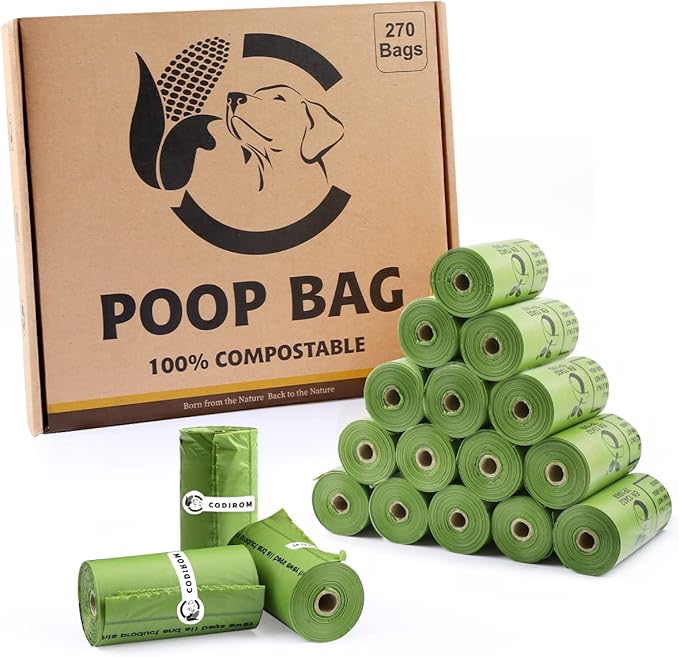
- Offer biodegradable supplies: Provide biodegradable pet waste bags. I always encourage attendees to bring their own wherever feasible.
- Volunteer oversight: Have knowledgeable volunteers stationed at key points to guide proper waste disposal and answer questions.
Creating a Composting Program
When food waste and organic debris accumulate, it’s important to have a dedicated composting area:
- Designate an area solely for food scraps and compostable items.
- Partner with local composting facilities or community gardens for proper compost disposal.
- For pet waste, ensure that you segregate it and arrange pickup by specialized composting services that handle animal waste safely.
Reducing Single-Use Items
I always insist on minimizing single-use plastics and items. Here are some practical approaches:
- Replace disposable plates and cups with reusable or fully compostable alternatives.
- Collaborate with vendors who can deliver products with minimal packaging.
- Encourage the use of reusable water stations fitted with washable, stainless steel or ceramic bowls.
Sustainable Pet-friendly Community Events: How To Host One – Building Community Partnerships
Strong partnerships make any event more successful. I have experienced first-hand how local collaborations can boost attendance and enrich your event. Here’s how I approach partnerships:
Finding the Right Partners
I start by identifying local organizations that resonate with my vision for sustainable, pet-friendly events. These include:
- Animal shelters and rescue groups: They provide access to a network of pet lovers, and many are eager to promote adoption and community outreach.
- Veterinary clinics: Local clinics are interested in promoting pet health awareness.
- Environmental organizations: Groups that focus on sustainability can offer insights and may sponsor green initiatives.
- Local businesses: Pet supply stores and eco-conscious companies often provide funding or in-kind donations, increasing overall event credibility.
Creating Meaningful Partnerships
Reaching out to potential partners can be simple yet effective:
- Prepare a clear proposal outlining your event goals and the sustainability measures you’re implementing.
- Be specific about what you need, whether it’s financial support, volunteer assistance, or product donations.
- Build relationships over time by attending partner events and showing genuine interest in their missions.
Internal Link to More On Pet Health & Environment
For additional ecological tips and insights into pet health, consider visiting this resource.
Sustainable Pet-friendly Community Events: How To Host One – Managing Your Budget Wisely
Budget management remains a crucial aspect of event planning. I advise creating a highly detailed budget that covers every expense and then seeking ways to counterbalance costs with sustainable, long-term investments:
Budget Planning Guidelines
- Identify essential expenses: Permit fees, rental costs, insurance, vendor agreements, and promotional expenses.
- Sustainable upgrades: Investing in reusable signage or long-lasting eco-friendly materials may cost more initially but will save money and the planet over time.
- Seek local funding: Explore sponsorships, grants from animal welfare or environmental organizations, and community donations.
- Crowdfunding: Use online platforms to raise funds while also building early excitement for your event.
Sustainable Pet-friendly Community Events: How To Host One – Marketing Your Event Effectively
Spreading the word about your event doesn’t have to be complicated. I believe in utilizing a multichannel approach to ensure the maximum turnout:
Digital Marketing Strategies
Social media can be extremely powerful. Here’s how I approach it:
- Create a dedicated website: Post detailed schedules, vendor lists, parking instructions, and sustainability practices. Include appealing photos and testimonials from previous events.
- Utilize email marketing: Send out newsletters featuring volunteer opportunities, behind-the-scenes planning, and eco-friendly tips for pet care.
- Leverage local blogs and forums: Share posts or guest articles, especially those focusing on pet health and environmental issues.
- Engage on social media: Use platforms like Instagram and Facebook to post regularly, engage with pet owners, and create event hashtags.
Offline Marketing Techniques
Traditional promotion still holds value:
- Distribute flyers at pet stores, veterinary clinics, and community centers.
- Put up posters in local parks and recreation areas.
- Collaborate with radio stations or local newspapers for free or discounted coverage.
Sustainable Pet-friendly Community Events: How To Host One – Managing Day-of Operations
On the day of the event, operational organization is key. I ensure everything is in place by:
Early Set-Up and Briefing
Arrive early to arrange stations, signage, and activity zones. I work closely with my team to ensure everyone knows their roles:
- Brief volunteers on emergency procedures, sustainability practices, and pet behavior management.
- Check that water stations, shade structures, and waste collection points are all properly set up.
- Conduct a final sweep of the entire venue to ensure no safety hazards remain.
Monitoring and On-Site Adjustments
Throughout the event, I maintain a visible presence to:
- Greet attendees and direct them to various sections.
- Monitor animal behavior to ensure no pet is showing signs of stress or discomfort.
- Coordinate with staff to manage any issues immediately.