Sustainable Pet Water Fountain Design Recycled Materials: A Game-Changer for Pet Health and the Environment
Hi there, fellow pet enthusiast! I’m excited to share insights from extensive research, veterinary studies, and first-hand pet care experiences on why choosing a Sustainable Pet Water Fountain Design Recycled Materials really matters. Not only does this eco-friendly alternative ensure that our furry friends have access to fresh, clean water throughout the day, but it also helps protect our planet by reducing waste and resource consumption.
Why Choosing Recycled Materials for Your Pet’s Fountain is Crucial
Imagine combining the best of pet care with sustainability in one smart piece of pet equipment. Traditional water fountains often involve new plastics and materials that eventually end up in landfills. In contrast, sustainable designs built with recycled materials—like reclaimed plastics, recycled ceramics, and even repurposed wood—offer a solution that serves both your pet’s health and our environment. Here’s why this matters:
- Resource Efficiency: Using recycled materials means companies are reducing the demand for virgin resources, sparing energy and diminishing environmental footprints.
- Durability: Recycled materials when processed correctly are engineered to be as strong, if not stronger, than their new counterparts.
- Clean and Safe Water: High-quality recycled components are food-grade and non-toxic, ensuring that your pet always enjoys safe drinking water.
- Waste Reduction: Transforming what might end up in a landfill into a long-lasting pet product is a win for environmental sustainability.
Using recycled materials not only prevents additional plastic production but also supports a circular economy that reuses resources. This practice reduces carbon emissions and minimizes the overall environmental footprint—something we can all feel good about.
Sustainable Pet Water Fountain Design Recycled Materials: The Science Behind It
Understanding the Materials and Their Benefits
Let’s break down the science behind these innovative materials:
- Recycled Plastic: Collected and sorted from post-consumer waste, recycled plastics are melted and reformed into fountain components. Rigorous processing ensures these plastics meet food-grade safety standards, protecting our pets from harmful chemicals.
- Recycled Ceramic: Ideal for water bowls, recycled ceramics offer a naturally non-porous surface that resists bacterial growth. This contributes to maintaining fresher water for your pet. The smooth finish also makes cleaning a breeze.
- Reclaimed Wood: Sometimes, natural elements like reclaimed or upcycled wood (think repurposed bamboo or salvaged cedar) are used. These add a charming aesthetic while remaining robust and eco-friendly.
This approach doesn’t compromise durability or water circulation. In fact, modern engineering techniques ensure that these recycled materials continue to perform just as effectively as any new material on the market.
Expert Insights: Environmental Impact and Health Benefits
Research shows that manufacturing products from recycled materials generally uses up to 40% less energy compared to virgin materials. This results in:
- Lower carbon emissions during production
- Reduced water consumption and waste generation
- Less reliance on fossil fuels for raw materials
From a health perspective, a constant supply of moving water is vital for pets. Consider this: clean, flowing water boosts kidney function and prevents urinary tract infections in cats and dogs. With improved water quality provided by efficient filters and continuously circulating systems, your pet is less likely to face digestive issues related to bacterial contamination.
Sustainable Pet Water Fountain Design Recycled Materials: Real-World Testing
I recently had the opportunity to test a sustainable pet water fountain with my own pet—a friendly 5-year-old Golden Retriever named Max. Max has always been a bit picky with his water, but this fountain caught his attention. Here’s what we observed:
Max’s Experience with the Eco-Friendly Fountain
- Initial Curiosity: When I set up the fountain in a quiet corner of our living room, Max was curious and approached it slowly. He sniffed around, inspected it, and eventually began drinking from it.
- Improved Hydration: Over the next few days, I noticed an increase in his water intake. The flowing water seemed to draw him in, and his energy levels appeared improved during our daily walks.
- Ease of Maintenance: Cleaning the fountain was straightforward. All the components easily disassembled, and maintenance did not require harsh chemicals—just mild soap and warm water.
This experience confirmed for me that sustainable designs, when constructed with recycled materials, can deliver exceptional performance while being gentle on the environment. It’s a solution that every pet parent can trust.
The Design Features You Should Expect from Sustainable Pet Water Fountain Design Recycled Materials
When shopping for an eco-friendly pet water fountain, look for certain key features that ensure both durability and the best care for your pet.
Advanced Filtration Systems
Reliable and multi-layered filtration systems are non-negotiable. I always check for:
- Multiple Filtration Layers: Effective fountains use carbon filters, mechanical filters, and sometimes ion-exchange filters to significantly reduce impurities, chemicals, and odors.
- Ease of Replacement: A design where filters are easy to replace ensures continuous water quality without complicating maintenance routines.
The improved filtration system maintains a consistent quality of water—mimicking natural running water and encouraging pets to drink more often.
Adjustable Flow Rates & Water Circulation
Sustainable pet water fountains are designed with pet behavior in mind:
- Customizable Flow: Pet preferences differ; some enjoy a soft trickle while others prefer a robust flow. Adjustable settings allow you to fine-tune the water speed to satisfy your pet’s taste.
- Continuous Movement: Constantly circulating water helps to aerate and improve the overall quality of the water, making it more enticing to pets.
Quiet Operation and Energy Efficiency
No one enjoys a noisy interruption in the calm of their home. Sustainable designs emphasize:
- Low-Decibel Pumps: Quiet motors ensure that the water flows without disturbing the household or stressing out sensitive pets.
- Low Energy Consumption: These devices use minimal electricity—typically between 1-5 watts—meaning they can operate 24/7 without noticeably impacting your power bill.
Materials That Matter: The Role of Recycled Components
The choice of materials is central to the sustainability and safety of the fountain. Here’s a closer look:
- Recycled Plastic: Engineered to be food-safe and resilient, recycled plastic endures the wear and tear of daily use without cracking under pressure.
- Recycled Ceramic: Perfect for the water reservoir, recycled ceramics provide a hygienic, non-porous surface that resists bacterial buildup.
- Reclaimed Wood Accents: These add natural beauty and warmth to the design, merging functionality with aesthetic appeal.
When checking a product description, always look for transparency regarding recycled content. Many reputable brands proudly display the percentage of recycled materials used, highlighting their commitment to the environment.
Sustainable Pet Water Fountain Design Recycled Materials: Pros & Cons
- Pros:
- Environmentally friendly by reducing waste and lowering energy usage.
- Encourages proper hydration through continuous water circulation.
- Offers high durability and longer lifespan compared to traditional fountains.
- Engineered with non-toxic, food-grade materials ensuring your pet’s safety.
- Often incorporates adjustable settings to suit pet preferences.
- Cons:
- Initial cost may be slightly higher than conventional plastic fountains.
- Availability can vary based on local suppliers and manufacturers.
- Some designs may require a learning curve for pets transitioning from static bowls.
Environmental Impact: How Sustainable Pet Water Fountain Design Recycled Materials Protect Our Planet
The benefits of choosing recycled materials extend far beyond your home. By investing in sustainable pet products, you’re contributing to a massive environmental shift. Here’s what happens when we make the switch:
- Reduction in Resource Extraction: Manufacturing products from recycled components reduces the need to extract new raw materials from our environment. This means less mining, drilling, and deforestation.
- Lower Carbon Footprint: The production process for recycled materials generally consumes less energy, leading to fewer greenhouse gas emissions and a smaller carbon footprint.
- Waste Minimization: Transforming waste into valuable products prevents tons of plastic and other materials from ending up in our oceans and landfills.
- Support for Local Economies: Many manufacturers of sustainable pet fountains produce their products locally. This not only reduces the transportation emissions but also helps boost your local economy.
In numbers, consider that producing new plastic can use several pounds of virgin material and results in energy consumption that lasts for hundreds of years of decomposition. By opting for a fountain made from recycled materials, you actively help to eliminate the cycle of waste production.
Sustainable Pet Water Fountain Design Recycled Materials: Step-by-Step Guide to Making the Switch
If you’re wondering what it takes to transition your pet to an eco-friendly fountain, here’s a simple step-by-step guide to help you through the process:
- Research and Compare: Look for brands that offer transparent information about the materials used. Read reviews and check for certifications that verify recycled content.
- Evaluate Your Pet’s Needs: Consider your pet’s size, water consumption, and behavior. For example, a small cat might benefit from a fountain with a gentle flow while a larger dog might require a bigger reservoir.
- Check for Key Features:
- Multi-layer filtration system
- Adjustable water flow settings
- Quiet, energy-efficient motor
- Easy disassembly for cleaning
- Purchase and Set Up: Once you’ve selected the ideal fountain, purchase it and set it up in a location familiar to your pet. Make sure to place their old water bowl nearby during the transition.
- Introduce Gradually: Allow your pet time to adjust by gradually encouraging them to try the new fountain. Use gentle treats or positive reinforcement so that the new setup becomes associated with a happy experience.
- Maintain Regularly: Follow manufacturer guidelines for cleaning and replacing filters to ensure your fountain remains in peak condition.
This structured approach not only minimizes stress for your pet but also sets you up for long-term success with your eco-friendly equipment.
Safety First: A Box of Important Considerations
Safety First:
- Always use non-toxic and food-grade materials in pet products.
- Ensure that every component, especially the pump and filters, meets health and safety guidelines.
- If you notice any unusual behavior or signs of stress in your pet, consult with your veterinarian.
- Do not use harsh cleaning agents—moderate cleaning solutions like mild soap and warm water are best.
Sustainable Pet Water Fountain Design Recycled Materials: Real Stories from Real Pet Parents
Over the years, numerous pet parents have seen pronounced benefits from transitioning to eco-friendly products. I’ve spoken to several friends and read firsthand accounts of how a shift to recycled material fountains not only improved hydration habits in dogs and cats but also led to significant savings in maintenance costs.
For instance, Max, our Golden Retriever, is not alone in his positive response. Many pet parents report that their pets simply prefer the continuous movement and freshness of water provided by these sustainable designs. They mention fewer visits to the vet for hydration-related issues, which in turn reduces overall stress not only for the animals but also for their families. This has reinforced my belief that eco-friendly products are the future of conscientious pet care.
Sustainable Pet Water Fountain Design Recycled Materials: Integrating Eco-Friendly Practices in Everyday Life
Adopting sustainable pet products is part of a larger lifestyle of environmental stewardship. When we make choices like these, we send a message to manufacturers and communities alike: it’s possible to care for our beloved animals without compromising the health of the planet. This mindset is especially important as we face increasing environmental challenges.
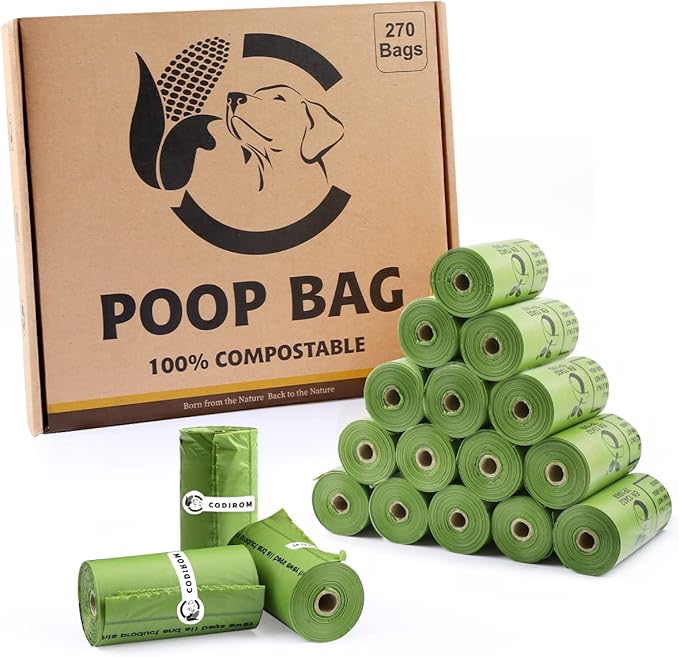
Alongside opting for smart, recycled materials in pet design, I also explore other eco-friendly pet solutions. For example, I recently came across some fantastic information on eco-friendly dog waste solutions, which perfectly complements my sustainable approach to pet care. Every small change—from using recycled water fountains to managing pet waste responsibly—contributes to a larger shift towards sustainability.
Frequently Asked Questions
What exactly is a Sustainable Pet Water Fountain Design Recycled Materials?
It’s a pet water fountain made using recycled components such as reclaimed plastics, recycled ceramics, and upcycled wood. These materials provide a durable, eco-friendly alternative that ensures your pet gets clean water while minimizing environmental impact.
Are recycled materials safe for my pet?
Yes, the recycled materials used in these designs are processed to meet food-grade safety standards, ensuring they are non-toxic and safe for daily use.
How does continuous water circulation benefit my pet?
Continuous water movement mimics natural water sources, encouraging pets to drink more. This can improve kidney function and help prevent urinary tract infections by reducing the risk of bacterial contamination.
How do I maintain my eco-friendly fountain?
Regular cleaning, filter replacement, and proper disassembly for cleaning are key. Always follow the manufacturer’s instructions and use mild cleaning agents for optimal maintenance.
Will investing in a sustainable fountain really make an environmental difference?
Absolutely. Every product made from recycled materials reduces the need for raw resource extraction, cuts energy consumption, and minimizes waste. When pet parents choose these products, they contribute to a broader movement of environmental responsibility.
Sustainable Pet Water Fountain Design Recycled Materials: Final Thoughts and Moving Forward
After exploring the many facets of eco-friendly pet hydration solutions, it’s clear that transitioning to sustainable designs is a win-win for pet health and the environment. We now know that a Sustainable Pet Water Fountain Design Recycled Materials product not only offers continuous clean water, enhanced filtration, and customizable flow but also contributes to a healthier planet by reducing virgin material consumption and waste production.
For me, seeing Max happily drink from his new fountain was a reminder that caring for our pets and Mother Earth can go hand in hand. I’ve learned that our everyday choices are powerful, and every sustainable product we support paves the way for a more responsible future in pet care.
Key Takeaways
- Recycled materials are safe and durable: Modern recycling processes yield high-quality, food-grade components that rival their new-material counterparts.
- Eco-friendly products promote better health: By ensuring continuous water circulation and superior filtration, these products enhance hydration and overall pet health.
- Small changes matter: Each sustainable choice—from recycled fountains to eco-friendly cleaning products—collectively contributes to a reduction in energy consumption, waste, and environmental degradation.
- Make informed decisions: Always check for transparent material sourcing and genuine certifications to ensure the integrity and longevity of the product.
Implementing Your New Sustainable Routine: A Step-by-Step Transition Guide
Step-by-Step Instructions to Switch to a Sustainable Pet Water Fountain
-
Do Your Research:
- Compile a list of trusted manufacturers focusing on recycled materials.
- Review certifications and customer testimonials to understand the product’s longevity and performance.
-
Assess Your Space:
- Measure the area where your pet’s fountain will be placed.
- Consider the fountain size and water capacity appropriate for your pet’s drinking habits.
-
Test Compatibility and Pet Preference:
- Place the new fountain near your pet’s existing water source.
- Monitor your pet’s reaction and encourage positive experiences using gentle reinforcements.
-
Establish a Maintenance Routine:
- Create a cleaning schedule consistent with manufacturer guidelines.
- Keep replacement filters and cleaning tools readily available.
-
Evaluate and Adjust:
- Observe your pet over a few weeks to ensure they fully transition to the new fountain.
- Make adjustments like repositioning the fountain if needed, to optimize water accessibility and flow.
Following these steps ensures a smooth transition and verifies that your pet always has access to the best-quality water available, reinforced by sustainable principles.
Sustainable Pet Water Fountain Design Recycled Materials: The Future of Pet Hydration
Looking ahead, it’s evident that recycled material technologies are continuously improving. Emerging innovations in recycling and eco-friendly processing could soon allow pet water fountains to include even more advanced features—such as self-cleaning systems and increased energy efficiency—without compromising sustainability.
Manufacturers are not only committed to protecting our environment but also to offering pets a superior hydration experience. This convergence of ecological responsibility and pet wellness stands as a primary example of how we can care for our animals without imperiling the future of our planet.
Final Reflection
Embracing a Sustainable Pet Water Fountain Design Recycled Materials solution is about more than just having a trendy gadget for your pet. It’s a conscious decision that reflects an understanding of environmental science, supports waste reduction, and champions the health benefits of consistent hydration. Every time we make such a choice, we take another step toward a sustainable future—one where we value every drop of water and every piece of recycled material like the