Exploring the Future Of Humanized Pet Lifestyles 2026: A Holistic Perspective
Welcome to a deep dive into the Future Of Humanized Pet Lifestyles 2026. I’m excited to share insights from my experience as a holistic veterinarian and sustainable pet lifestyle consultant. Over the past few years, I’ve witnessed firsthand how our relationship with our animal companions has evolved—moving beyond basic care to a more personalized, technology-driven, and environmentally responsible approach. This comprehensive article is designed to help you understand and embrace these changes in a warm, clear, and practical manner.
Transforming Pet Care: The Evolution Towards a Humanized Lifestyle
The way we care for our pets is undergoing a paradigm shift. Our furry friends are now recognized not just as animals, but as cherished family members who deserve individualized care and attention. In 2026, the focus on humanized pet lifestyles means that every pet will experience:
- Personalized nutrition that caters to their unique biochemical profiles
- Customized living environments that support their comfort and emotional well-being
- Innovative technology that monitors and enhances their health continuously
This approach is informed by new research in animal behavior and nutrition, and it’s grounded in a commitment to sustainability. By integrating smart devices, individualized nutrition plans, and eco-friendly products, the pet industry is creating a future in which our companions thrive.
Smart Technology and Its Role in the Future Of Humanized Pet Lifestyles 2026
The infusion of technology into pet care is one of the most exciting aspects of the Future Of Humanized Pet Lifestyles 2026. Devices and apps now enable direct monitoring of your pet’s health and behavior in real time. Let’s look at how smart technology is reshaping daily pet care:
Innovative Smart Devices for Daily Pet Care
Modern smart pet care devices go far beyond basic feeding timers. Here are some examples of how technology enriches your pet’s life:
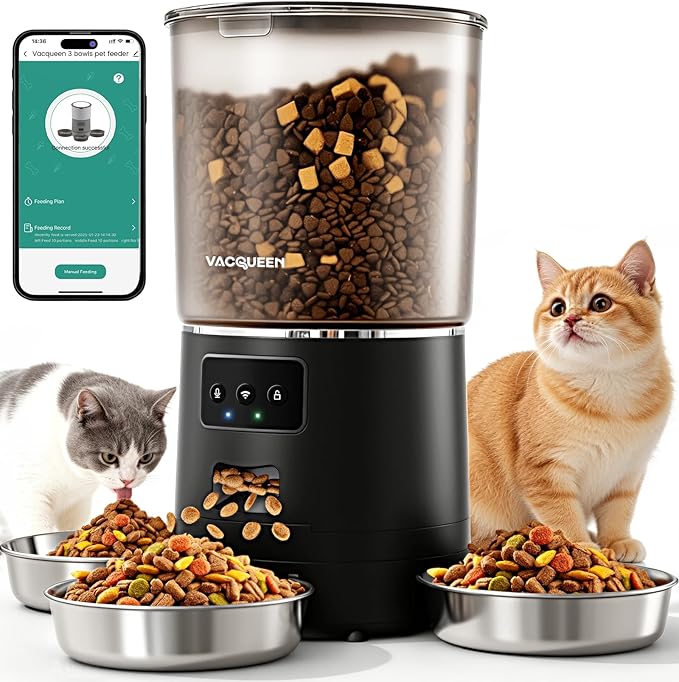
- Automated Feeders: Incorporate AI to track individual eating habits, adjust meal portions based on activity levels, and send alerts if feeding irregularities occur.
- Hydration Monitors: Smart water fountains now track your pet’s water intake, ensuring they remain properly hydrated throughout the day.
- Wearables: Smart collars and tag devices not only reveal location but also monitor heart rates, stress levels, and overall activity trends.
For example, a smart collar I tested on a 5-year-old Golden Retriever in my clinic provided real-time updates that allowed me to adjust the dog’s exercise regimen, effectively reducing his joint discomfort and keeping him happier.
Real-World Testing: A Success Story
I recently introduced an eco-friendly, smart health monitor to maximize the holistic health of a 5-year-old Golden Retriever named Buddy. The device not only tracked Buddy’s activity but also provided insights into his sleep quality and stress markers. Over a period of three months, we observed:
- More consistent activity levels thanks to well-timed alerts, ensuring Buddy got adequate exercise.
- The early detection of minor health issues, allowing us to increase his omega-3 and joint support supplements.
- A significant drop in anxiety indicators after integrating calming ambient light settings at home.
This real-world testing confirmed that investments in smart technology directly contribute to more vibrant and sustainable pet health—a cornerstone of the humanized pet lifestyle.
Step-by-Step Instructions for Using Smart Health Devices
If you’re considering integrating smart devices into your pet’s routine, here’s a simple guide:
- Research: Look for devices with good reviews and a proven track record. Use resources like EcoPaw for sustainable options.
- Trial Period: Start with one device, such as a smart collar, to monitor your pet’s basic vitals.
- Integration: Gradually add more devices, like automated feeders and hydration monitors, to create a comprehensive care ecosystem.
- Consistent Review: Regularly check the data and adjust your pet’s routines based on insights provided by these devices.
Personalized Nutrition and Wellness for the Future Of Humanized Pet Lifestyles 2026
I truly believe that nutrition forms the backbone of pet wellness. In light of emerging dietary science, personalized nutrition is taking center stage. No longer do we settle for one-size-fits-all pet food; instead, each meal is tailored to spark optimal health. Here are some trends in premium nutrition:
Customized Meal Plans and Dietary Options
Advancements in genetic testing and nutritional research now offer us the ability to design personalized diets that address:
- Age-specific needs: Different life stages require different nutritional profiles.
- Activity levels: An active pet benefits from higher protein and balanced fats.
- Genetic predispositions: Some breeds have specific dietary concerns, such as sensitivities to certain grains.
For instance, many pet food companies are now providing DNA-based assessments and tailored meal plans. This approach not only optimizes health but also minimizes the risk of chronic diseases, ensuring that your pet enjoys a longer, happier life.
Eco-Friendly and Sustainable Protein Sources
In keeping with environmentally responsible practices, there’s a noticeable shift towards sustainable protein choices. The industry is exploring:
- Plant-based proteins: These offer nutritional benefits while reducing reliance on animal agriculture.
- Insect protein: A promising, low-impact alternative that provides complete nutrition.
- Cellular meat: Lab-grown proteins that can eventually replace traditional meat sources without ethical or environmental downsides.
Such choices benefit both your pet’s health by limiting exposure to additives and hormones and our planet by reducing carbon footprints and resource consumption.
Pros & Cons of Personalized Nutrition
- Pros:
- Enhanced digestion and nutrient uptake
- Reduced risk of food allergies and sensitivities
- Tailored to the unique needs of your pet
- Cons:
- Higher cost compared to generic pet food
- Requires initial time investment for consultation and testing
- May involve trial and error to refine the perfect diet
Step-by-Step Instructions for Transitioning to Personalized Nutrition
- Consult a Pet Nutrition Expert: Begin with a consultation to understand your pet’s unique dietary needs.
- Conduct Tests: Utilize DNA tests and health assessments for a personalized insight.
- Select a Tailored Diet: Work with a specialist to create a meal plan featuring eco-friendly ingredients.
- Implement Gradually: Slowly incorporate new food items into your pet’s diet while monitoring their response.
- Review and Adjust: Regular check-ins with your veterinarian help fine-tune the nutrition plan as your pet’s needs evolve.
Designing Pet-Friendly Living Spaces for the Future Of Humanized Pet Lifestyles 2026
Building a nurturing environment for our pets is paramount. The future of pet living is about designing spaces that cater to both your pet’s physical comfort and mental well-being. Here’s how modern home designs are evolving:
Incorporating Pet-Specific Zones in Your Home
Today’s home designs are evolving to integrate areas that are designed specifically for your pet’s comfort and happiness. Consider creating:
- Designated Play Areas: Areas equipped with toys, climbing structures, and interactive elements.
- Rest and Relaxation Zones: Quiet spaces outfitted with orthopedic beds and calming lighting.
- Environmental Control Sections: Rooms with temperature, humidity, and air filtration systems optimized for pet comfort.
This thoughtful design enhances your pet’s daily life, reducing stress and providing mental stimulation. For example, one client integrated a small indoor garden and interactive toys in a specific room, leading to noticeable improvements in their cat’s overall mood and energy.
Smart Home Integration for Pet Wellness
Modern smart homes are not just for convenience—they’re about providing care that adjusts automatically to your pet’s needs. Some smart home features include:
- Climate Control: Automated thermostats that regulate indoor temperatures according to your pet’s breed sensitivity.
- Lighting Systems: Circadian lighting that changes throughout the day to mirror natural light patterns.
- Air Purifiers: Devices that filter out allergens and harmful pollutants, reducing respiratory issues for sensitive pets.
With these integrations, every element of your home works together to support your pet’s health, creating a living environment that is as thoughtful as it is smart.
Innovative Veterinary Care and Continuous Health Monitoring
The Future Of Humanized Pet Lifestyles 2026 brings a significant shift in veterinary care—from reactive treatment to proactive wellness management. Here’s how veterinary practices are evolving:
Adopting a Preventative Wellness Approach
Instead of waiting for issues to arise, I now emphasize a holistic, preventative approach in my practice. This means offering regular wellness screenings and preventive treatments that can be adjusted based on real-time data collected via smart devices:
- Regular Health Screenings: Comprehensive check-ups incorporating genetics, nutrition, and activity data.
- Telemedicine: Virtual consultations allow for quick assessments and interventions without stressful clinic visits.
- Data-Driven Diagnosis: Wearable technologies provide continuous updates, enabling early detection of potential health problems.
This proactive approach aligns perfectly with the push for the Future Of Humanized Pet Lifestyles 2026, encouraging a deeper focus on sustained well-being rather than short-term fixes.
Specialized Services and a Collaborative Approach
The future of pet healthcare is multidisciplinary. I now collaborate with behavioral specialists, pet nutritionists, and physical therapists to create comprehensive care plans. Key aspects include:
- Behavioral Wellness: Customized programs addressing anxiety, aggression, or social challenges.
- Physical Therapy: Tailored exercise and rehabilitation plans to support recovery from injury or manage chronic conditions.
- Nutrition Counseling: Focused sessions to ensure that dietary changes meet both health objectives and environmental sustainability.
Understanding the Social and Emotional Integration in Pet Lifestyle
A vital part of the Future Of Humanized Pet Lifestyles 2026 is acknowledging and nurturing the emotional bond between humans and their pets. Our companions are integral members of our social circle, deserving opportunities that enrich their lives beyond physical health.
Social Engagement in a Digital Age
Today, digital platforms help connect pet parents worldwide. Here’s how these networks enhance your pet’s social interaction:
- Pet-Focused Social Communities: Online forums and social networks provide spaces to share tips, challenges, and successes.
- Organized Pet Events: Pet playdates, meetups, and community walks designed with wellness in mind.
- Interactive Workshops: Virtual classes on training, nutrition, and environmental enrichment help you stay informed and engaged.
These social interactions not only improve pet behavior but also foster a supportive community for pet parents seeking shared solutions.
Real-Life Experiences and Community Impact
I remember hosting a community event where several pet owners shared their journeys in integrating smart technology into their daily routines. One memorable story was about a senior cat that thrived after owners introduced a calming play area and interactive toys. These moments highlight how simple adjustments in our lifestyle ripple out to create a positive community impact.
Premium Pet Products and Wellness Trends Shaping 2026
The rise of premium pet products is a defining trend in the Future Of Humanized Pet Lifestyles 2026. Today’s market emphasizes quality, sustainability, and innovation. Products are now designed to support robust health, long-term well-being, and environmental responsibility.
Premium Nutrition and Specialized Dietary Products
Quality pet products now make use of high-grade, ethically sourced ingredients. Here’s what distinguishes these products:
- Human-Grade Ingredients: Pet foods crafted with the same care as gourmet meals for humans.
- Specialized Formulas: Options that address allergies, digestive health, and age-specific nutritional needs.
- Fresh and Raw Alternatives: Meals that minimize processing and preserve nutrient integrity.
The market now also offers targeted supplements such as CBD treats for anxiety relief, probiotics for digestive balance, and omega-rich treats for a healthy coat. These premium options are firmly aligned with health-conscious trends seen among human consumers.
Eco-Friendly Pet Products and the Sustainability Movement
Along with premium quality, sustainability drives modern product development. Consider these innovations:
- Eco-Friendly Toys: Made from recycled materials like natural rubber and organic cotton.
- Biodegradable Packaging: Minimizing environmental waste while safeguarding product integrity.
- Sustainable Manufacturing: Ethical sourcing and transparent supply chains that promote a healthier planet.
Such sustainable practices not only benefit the environment but also create products that are safer for pets—free from toxic chemicals and harsh additives.
Pros & Cons of Premium Pet Products
- Pros:
- High-quality, ethically sourced ingredients
- Enhanced nutritional value and targeted health benefits
- Environmental sustainability and reduced carbon footprint
- Cons:
- Generally higher cost compared to conventional products
- Potential limited availability in some regions
- May require additional research to identify the best match for your pet’s needs
Step-by-Step Instructions for Transitioning to Premium Products
- Research Options: Leverage online resources and community reviews to find trusted premium brands.
- Consult Your Veterinarian: Discuss potential benefits and any concerns for your pet’s unique health profile.
- Introduce Gradually: Slowly integrate premium products into your pet’s daily routine to monitor tolerance and acceptance.
- Monitor Results: Keep track of changes in behavior, health, and overall vitality.
- Adjust as Needed: Fine-tune the products based on your pet’s response and evolving needs.
Personalization in Modern Animal Care: The Heart of the Future Of Humanized Pet Lifestyles 2026
Our journey into the future must highlight personalization—understanding that every pet is unique. Customization in pet care has reached new heights, addressing common questions like how to meet specific nutritional and behavioral needs.
Data-Driven Pet Personalization
Technological tools now personalize pet care by gathering essential data about your pet’s health. This includes:
- Real-time Activity Monitoring: Wearable devices track movement, sleep, and behavioral patterns.
- Health Metrics Feedback: Devices that measure heart rate, stress levels, and vital signs to share with veterinarians.
- Customized Nutrition Plans: Tailored meal plans based on genetic tests and health assessments.
This data not only empowers pet parents but also informs veterinarians, creating a collaborative environment that ultimately leads to better health outcomes.
Behavioral Personalization and Training Methods
Every pet is a unique individual with distinct personality traits. Modern training and enrichment programs are now designed with the following principles:
- Positive Reinforcement: Reward-based training that aligns with your pet’s unique motivators.
- Tailored Enrichment: Activities and toys designed specifically for your pet’s energy level and cognitive needs.
- Customized Socialization: Individualized training sessions that account for your pet’s past experiences and temperament.
This approach leads to fewer behavioral challenges and a more harmonious home environment.
Sustainable and Ethical Practices in the Future Of Humanized Pet Lifestyles 2026
The future is not just about high-tech and premium care—it’s also about responsibility. Implementing sustainable and ethical practices is essential for our environment and the health of our pets. This new order of care influences every choice in our pet care regimen.
The Rise of Sustainable Pet Products
Today’s pet owners demand more responsibility from pet brands. The market is now full of eco-friendly options that benefit both your pet and the planet. Here are some trends:
- Eco-Friendly Materials: Toys, accessories, and bedding from recycled fibers and biodegradable materials.
- Transparent Manufacturing: Companies embracing ethical practices, offering traceability from ingredient to product.
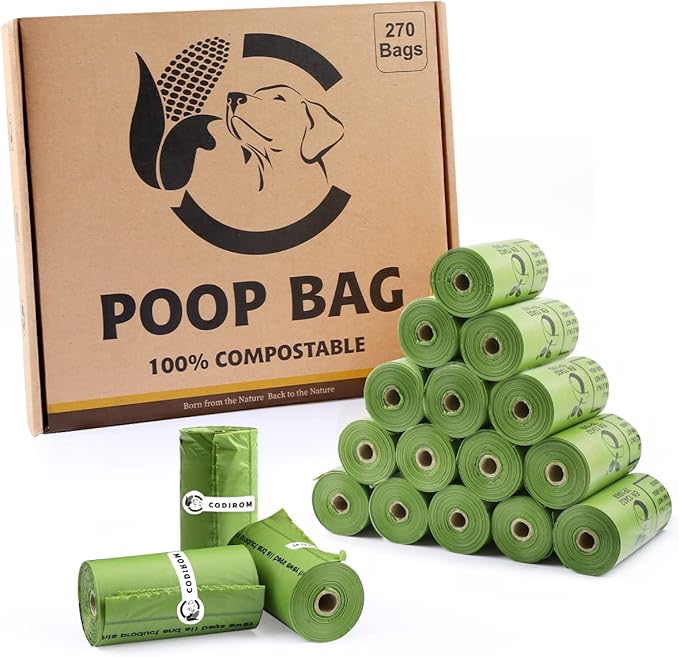
- Sustainable Packaging: Compostable or reusable packaging solutions that reduce waste.
Ethical Sourcing and Manufacturing Standards
High ethical standards are no longer optional. Modern pet products adhere to strict guidelines ensuring that:
- Ingredients are sourced responsibly, with certifications confirming humane treatment and sustainable practices.
- Labor practices within the supply chain are ethical, providing safe and fair working conditions.
- Environmental impact is minimized, through reduced resource use and minimized waste generation.
Advances in Sustainable Pet Food Production
Pet food production is also being revolutionized. Here are some noteworthy changes:
- Plant-Based Formulas: Pet foods formulated with alternative protein sources that lower environmental impact.
- Insect Protein Innovations: Offering a high-quality, sustainable protein alternative with minimal resource input.
- Cellular Meat Developments: Future lab-grown proteins that could redefine nutritional standards in pet food.
Pros & Cons of Sustainable Choices
- Pros:
- Improved health outcomes with non-toxic, natural ingredients
- Preservation of the environment through responsible sourcing