Tips For Making The Switch To Natural Dog Shampoo: A Fresh Start for Your Furry Friend
Deciding to switch to natural dog shampoo is a game changer. As a dedicated pet parent, I know that our four-legged friends deserve the very best care. That’s why I’m excited to share these Tips For Making The Switch To Natural Dog Shampoo. Not only does natural shampoo provide a gentler, healthier alternative for your dog’s skin, but it also champions a cleaner, more sustainable pet care routine. Let’s dive in and explore how you can seamlessly transition to a natural shampoo, improve your pet’s coat, and even help the environment in the process.
Understanding the Benefits: Why Switch to Natural Dog Shampoo?
The decision to switch to natural dog shampoo isn’t just about cleaning your pet—it’s about boosting their overall health. Many commercial shampoos are loaded with chemicals that might do more harm than good. Here’s why making the switch is so beneficial:
- Gentle on Skin: Natural shampoos eliminate harsh chemicals that can irritate your dog’s skin. Ingredients like oatmeal and aloe vera provide soothing relief from itching.
- Improved Coat Health: Natural ingredients nurture your dog’s coat with essential fatty acids, vitamins, and antioxidants. Your pet’s fur will be shinier, softer, and healthier over time.
- Eco-Friendly Choice: By choosing natural, you minimize the harmful impact on the environment. Natural shampoos use biodegradable ingredients, and many brands use eco-friendly packaging.
- Customizable Formulas: With natural options, you can choose formulas tailored to your dog’s specific needs, whether it’s for dry skin, allergies, or general well-being.
For more eco-friendly pet care insights, check out our favorite resources at Go Eco Paw and Go Eco Paw Blog.
Tips For Making The Switch To Natural Dog Shampoo: Starting with Research
The journey begins by understanding exactly what you’re using on your pet’s skin. Here’s how I approach researching natural shampoo ingredients:
Research Natural Ingredients
Before making the switch, it’s crucial to know which natural ingredients are safe and effective. I like to focus on formulas that include:
- Oatmeal: Excellent for soothing itching and irritation.
- Aloe Vera: Hydrates and heals without harsh chemicals.
- Coconut Oil: Provides moisturizing properties and adds a natural shine to the coat.
- Essential Oils (like Lavender): Offers a calming, natural scent that avoids synthetic fragrances.
- Chamomile: Minimizes inflammation and soothes sensitive skin.
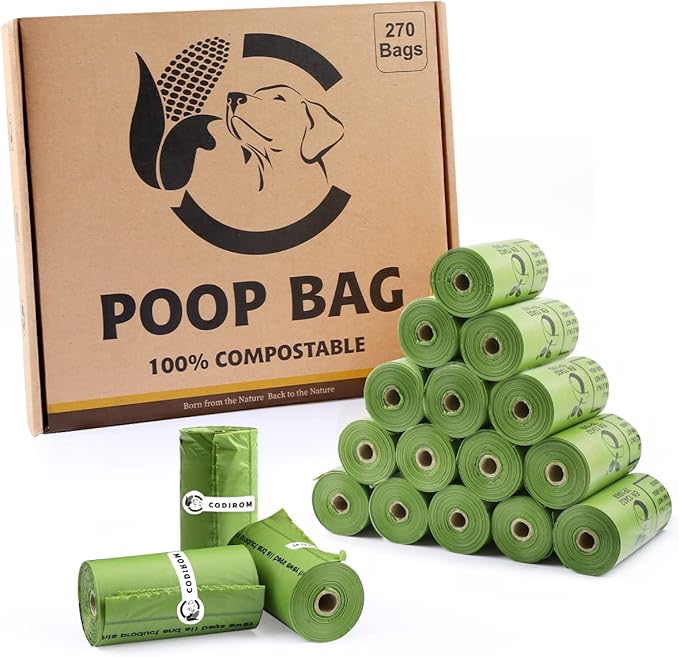
I always make sure to read labels carefully and avoid chemicals that may be harmful to my dog. For more detail on eco-friendly choices, you can also explore Eco-Friendly Poop Bags and sustainable practices.
Do a Patch Test: Safety First!
Before fully committing to a new shampoo, I always perform a patch test. This step minimizes the risk of irritation and allergic reactions:
- Apply a small amount of the natural shampoo to a discreet spot on your dog’s skin.
- Wait for 24 hours.
- If there’s no sign of a reaction, the product should be safe to use.
This simple test can save you time and worry, ensuring each bath is a positive experience for your pet.
Tips For Making The Switch To Natural Dog Shampoo: Transitioning Gradually
It can be tempting to switch overnight, but a gradual transition helps your dog adjust better. Here’s my recommended process:
Gradual Transition
Start by mixing a small amount of natural dog shampoo with your current product. Over several baths, slowly increase the proportion of the natural shampoo while reducing the commercial formula. This method allows your dog’s skin time to adapt to the new ingredients without overwhelming it.
Maintain a Healthy Bathing Routine
Keeping a consistent bathing schedule is essential. I stick to a routine of bathing my dog every four to six weeks, based on their activity level and coat type. Over-washing can strip natural oils, leading to dryness, so it’s about finding the right balance.
Observe and Adjust
After you start using the natural shampoo, closely monitor your dog’s reaction. Look for improvements like:
- Enhanced coat shine and softness
- Reduced itching or scratching
- Healthy skin without rashes
If you notice any discomfort or adverse reactions, do not hesitate to try a different formula or consult with your veterinarian. The key is to be flexible and responsive to your dog’s needs.
Tips For Making The Switch To Natural Dog Shampoo: Complementary Care And Sustainability
Switching to a natural shampoo isn’t an isolated change; it’s part of a broader commitment to your pet’s overall well-being. Here’s how to create a comprehensive natural care routine:
Complementary Care Products
Caring for your dog involves more than just shampoo. Complementary products like conditioners, grooming sprays, and even natural dental care options contribute to a complete care regimen:
- Natural Conditioners: Help detangle and soften the coat after washing.
- Grooming Sprays: Refresh your dog between baths, keeping their coat vibrant and clean.
- Dental Care Products: Maintain oral hygiene with natural ingredients that are safe for pets.
Also, consider sustainable pet products like Sustainable Dog Waste Bags to further reduce your pet’s environmental footprint.
Sustainability Matters
When choosing a natural dog shampoo, look for brands that emphasize sustainability. Many companies now use eco-friendly packaging and ethically sourced ingredients, and as pet owners, our choices can influence the market for the better. Supporting such brands not only benefits your pet’s health but also contributes to a healthier planet.
Benefits of Natural Ingredients for Your Dog’s Coat: A Closer Look
Using natural ingredients goes beyond being a healthy choice; it can transform your dog’s coat and skin under just a few washes. Let’s break down the specific benefits of these natural components:
Gentle on the Skin
Harsh chemicals often found in conventional shampoos can lead to irritating rashes or dryness. Natural products steer clear of these pitfalls by offering ingredients that are soothing and non-toxic:
- Oatmeal: Provides a natural barrier to irritation while calming the skin.
- Aloe Vera: Works as a natural moisturizer and healing agent, ensuring your dog’s skin is soft and hydrated.
- Essential oils: Derived directly from plants without synthetic additives, these oils help maintain a mild, pleasing scent.
This approach ensures that every bath contributes to improved skin condition and reduces the potential for allergic reactions.
Improved Coat Health and Shine
Natural ingredients frequently come packed with vitamins, fatty acids, and antioxidants that enhance the overall look of your pet’s coat. For instance:
- Coconut Oil: Known for its deep conditioning and antibacterial properties, it leaves the coat shiny and healthy.
- Shea Butter: Rich in moisturizing properties, it helps alleviate dryness and promotes a softer coat.
- Chamomile: Calms irritated skin and washes away inflammation, making coat maintenance easier after each bath.
When your dog’s coat becomes a reflection of natural care, it’s a win-win for health and style.
Eco-Friendly and Cost-Effective Over Time
An added bonus of natural dog shampoos is their long-term cost-effectiveness. Although they may be a bit more expensive upfront, using products that don’t harshly strip natural oils can lead to fewer veterinary visits and complications in the future. Moreover, the biodegradable nature of their ingredients means less environmental waste and a lower carbon footprint, making each wash a step towards sustainability.
Less Stress During Bath Time
Dogs, much like us, respond to strong scents and chemicals with discomfort or anxiety. Natural shampoos often feature mild, plant-based fragrances that calm and relax your pet. This means bath time turns into a stress-free, even enjoyable moment for your four-legged companion. A relaxed pet is easier to manage, making grooming a bonding opportunity rather than a chore.
Common Synthetic Ingredients to Avoid in Dog Shampoos
Understanding which ingredients to steer clear of is as crucial as knowing what to embrace. Traditional dog shampoos are notorious for including chemicals that can irritate your pet and potentially harm their health over time. Here are some of the most common synthetic ingredients you should avoid:
Parabens
Parabens are synthetic preservatives that artificially extend product shelf life. Despite their utility, there is growing evidence that parabens can interfere with hormone function and mimic estrogen. This could lead to long-term health issues, making it wise to opt for preservation methods that rely on natural alternatives.
Sulfates
Sodium lauryl sulfate (SLS) and sodium laureth sulfate (SLES) are strong surfactants responsible for the foamy lather in many shampoos. However, they are also known to strip essential oils from your dog’s coat, leaving the skin dry and prone to irritation. When searching for a natural product, look for plant-based surfactants that clean gently without depleting your pet’s natural moisture.
Artificial Fragrances
Although enticing from a marketing perspective, artificial fragrances are synthetic chemicals that can trigger allergic reactions or respiratory issues. Instead, many natural shampoos incorporate essential oils or extracts that are not only safer but come with added health benefits.
Formaldehyde and Formaldehyde Releasers
Some commercial products use formaldehyde or its releasers, such as quaternium-15 or DMDM hydantoin, as preservatives. Given that formaldehyde is a known carcinogen, it’s essential to choose a natural shampoo that is completely free from these harmful substances.
Propylene Glycol
While propylene glycol is included in some products for its moisture-retaining properties, it can cause skin and eye irritation and may be toxic if ingested by pets. In contrast, natural moisturizers like aloe vera or coconut oil provide the necessary hydration without the side effects.
Color Additives and Petroleum Products
Many shampoos get an extra kick from color additives and petroleum-based products such as mineral oil. These ingredients contribute nothing to your dog’s health—often causing allergic reactions and forming a barrier on the skin that traps dirt.
Additional ingredients to avoid include:
- DEA (Diethanolamine)
- MEA (Monoethanolamine)
- TEA (Triethanolamine)
- Silicones (which can build up on your dog’s coat)
- Phthalates (linked to hormone disruption)
By choosing a natural shampoo that avoids these chemicals, you ensure each bath nourishes rather than harms your pet.
How to Choose the Right Natural Shampoo for Your Dog’s Specific Needs
Every dog is unique. Their coat type, skin sensitivity, and overall health should dictate the natural shampoo you choose. Below are some key considerations for selecting the perfect product, backed by my own experiences and a commitment to using only the safest ingredients.
Understand Your Dog’s Coat Type
Different coat types require different care. For example:
- Short-haired dogs: These breeds benefit from lightweight formulas that maintain coat shine without over-moisturizing.
- Long-haired dogs: Breeds like Golden Retrievers or Shih Tzus need extra moisture to detangle and condition their fur effectively.
- Curly-haired dogs: Poodles and similar breeds require formulas that define curls while ensuring hydration.
Identifying your dog’s coat type is the first step towards choosing a product that fits their needs perfectly.
Consider Allergies and Sensitivities
For dogs with sensitive skin or allergies, it’s essential to opt for hypoallergenic and fragrance-free options. Here’s what works best:
- Hypoallergenic Formulas: Look for shampoos designed to minimize allergens.
- Natural Ingredients: Formulas that include oatmeal, aloe, and coconut oil help soothe and protect sensitive skin.
- Fragrance-Free Options: Avoid synthetic fragrances and choose natural scents derived from essential oils for a gentle aroma without irritation.
Focus on Specific Skin Conditions
If your dog has special skin care needs, keep these tips in mind:
- Dry Skin: Shampoos enriched with shea butter, vitamin E, or even olive oil can provide the extra moisture your dog needs.
- Flea and Tick Prevention: Some natural shampoos incorporate ingredients like neem oil or cedarwood that help repel pests without resorting to harsh chemicals.
- Hot Spots and Irritations: Experience has taught me that natural soothers like chamomile or calendula work wonders for calming and healing skin irritations.
Consider Size and Breed
Your dog’s size also matters when selecting a shampoo. Smaller breeds often require concentrated formulas, while larger dogs might need larger bottles for cost-effectiveness. Ensure that the product you choose aligns with your pet’s size and lifestyle.
Review Ingredient Labels Carefully
Always check the ingredient label before purchasing a new product. Aim for formulations that list natural and organic components first. Avoid any products with sulfates, parabens, artificial colors, or additional synthetic chemicals. Certifications, like organic seals, can also be a helpful sign of quality.
Test the Shampoo Before Full Use
If you’re in doubt, doing a straightforward patch test is key. Apply a small amount to a discreet area, let it sit for 24 hours, and observe if there is any reaction. This simple test is a must and can help you avoid potential sensitivity issues.
Step-by-Step Guide For Bathing Your Dog With Natural Shampoo
Once you have chosen the perfect natural shampoo for your dog’s needs, the next step is the bath routine. Bath time can be a fun and rewarding experience if done correctly. Here’s my detailed, easy-to-follow guide:
Gather Your Supplies
Before you begin, ensure you have all the necessary supplies within reach. I always keep these items handy:
- Natural dog shampoo
- A soft, absorbent towel
- A dog brush
- A non-slip mat for added safety in the tub or shower
- Warm water
- Extra treats for positive reinforcement
Prepare Your Dog For Bathing
Preparation is half the battle. Here’s how I ensure my dog is comfortable before the bath:
- Choose a Comfortable Location: Whether you’re using the tub or a garden hose, pick a spot where your dog feels secure.
- Brush Your Dog: Brush out any tangles or loose hair. This not only makes the shampoo more effective but also turns into a mini-grooming session that your dog will appreciate.
- Set Up a Non-Slip Mat: This provides traction and helps prevent any slips, making the experience safer and less stressful.
Bathing Your Dog: The Process
Following these detailed steps will help make bath time smooth and enjoyable:
1. Wet Your Dog’s Fur
Using a handheld sprayer or a cup, gently saturate your dog’s coat with warm water. Start at the neck and work your way down, gradually wetting the body evenly. Be careful around eyes, ears, and the nose for comfort and safety.
2. Apply the Natural Dog Shampoo
Squeeze a small amount of shampoo into your hands and work it into a rich lather. Focus on areas that get dirty frequently such as the paws, belly, and under the tail. Follow the instructions on the bottle regarding the recommended duration to leave the shampoo on.
3. Rinse Thoroughly
Rinse your dog’s coat completely with warm water. It’s key to remove all the shampoo residue to prevent any lingering irritation. I usually rinse two or three times to make sure every trace is washed away.
4. Dry Your Dog
After rinsing, gently squeeze out the excess water before wrapping your pet in a soft towel. Pat their fur dry—avoid rubbing too hard. Some dogs might even enjoy the sound and warmth of a hairdryer on a low, safe setting, but always use caution to protect sensitive skin.
Post-Bath Grooming and Bonding
Once your dog is mostly dry, I always take a few extra minutes for post-bath care:
- Brush Again: A final brush helps smooth out any remaining tangles and boosts the shine of the coat.
- Reward Your Dog: Offering a treat or some extra petting reinforces a positive association with bath time.
Tips For a Stress-Free Bath Time Experience
Here are some extra pointers that have worked wonders in my household:
- Keep the session short, especially if it’s your dog’s first time using a new shampoo.
- Remain calm and speak in a soothing tone. Your mood directly impacts your pet’s comfort.
- Use lukewarm water—extreme temperatures can be uncomfortable.
- Establish a consistent schedule—usually every 4-6 weeks—to maintain your dog’s coat and skin health without overdoing it.
This routine not only ensures your dog is clean but also strengthens the bond between you two. Every wash becomes an opportunity to care for your pet with genuine love and attention.
Common Questions About Switching To A Natural Dog Shampoo
What are the main benefits of using natural dog shampoo?
Natural dog shampoo is free of harsh chemicals, reduces skin irritations, and improves overall coat health. It’s also an eco-friendly choice that supports a more sustainable pet care routine.
How do I know which natural ingredients are best for my dog?
Focus on ingredients like oatmeal, aloe vera, and coconut oil which are known to soothe and moisturize the skin. Consider your dog’s coat type and any sensitivities when selecting ingredients.
How often should I bathe my dog with natural shampoo?
Bathing every four to six weeks is usually sufficient for most dogs. Frequent washing can strip away natural oils, so maintaining a balanced schedule is key.
Can I switch directly from a commercial shampoo to a natural one?
It’s best to transition gradually. Mixing your current shampoo with the natural shampoo helps your dog adjust smoothly to the change.
Are natural dog shampoos more expensive than commercial options?